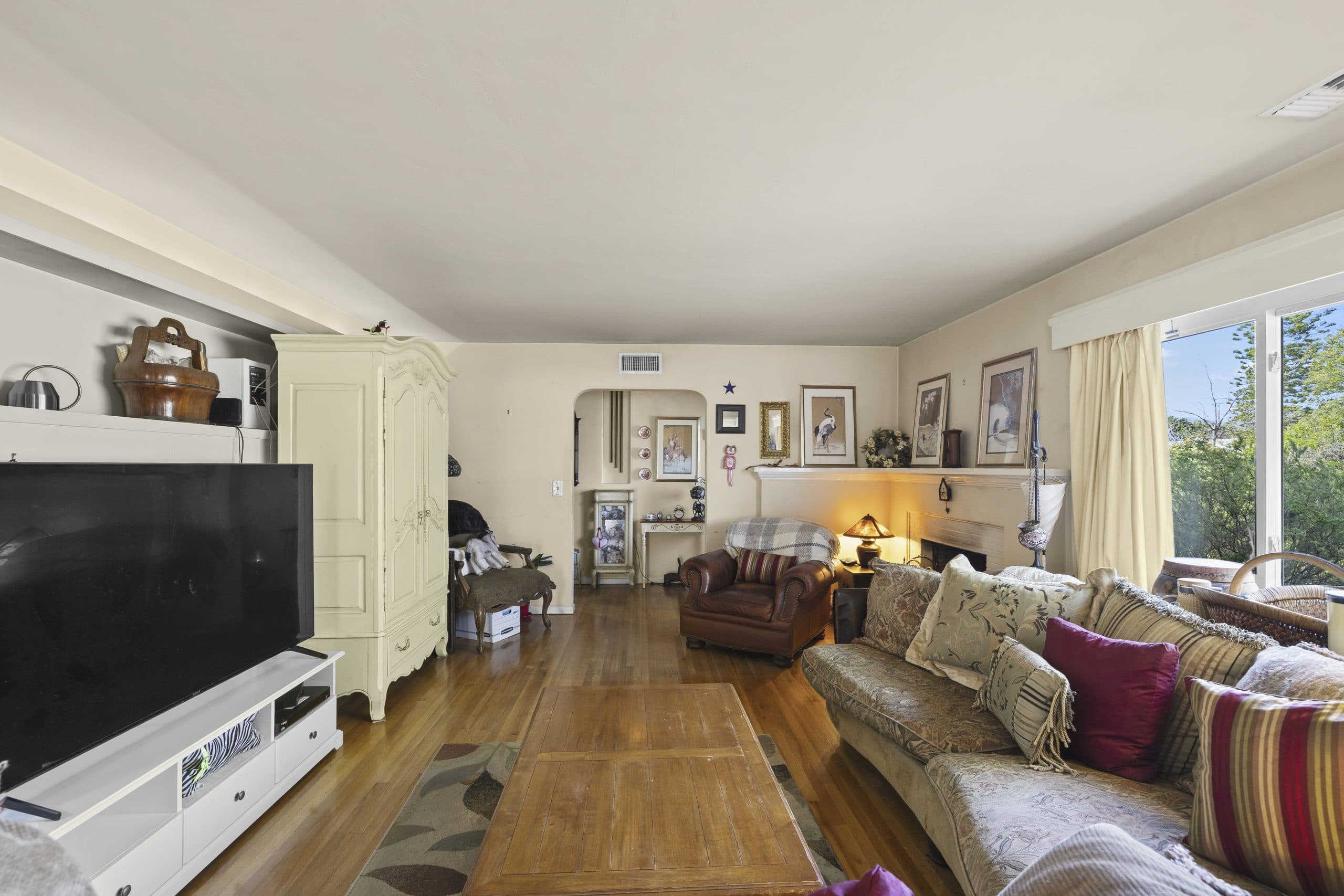
Sixty years in one house produces a great deal of material. Most of it accumulated for good reasons — children's things kept because they might be wanted, tools kept because they still work, papers kept because nobody was sure. For a long time it is simply a full house.
Then at some point it stops being merely full. Paths narrow. A room becomes unusable. Somebody trips. And a family that visits twice a year notices all at once and reacts with an urgency that, however well meant, is usually the worst possible approach.
This article is about doing it differently. It is also careful to distinguish an ordinary very full house from a genuine hoarding disorder, which is a recognized mental health condition requiring professional help rather than a weekend of energetic sorting.
Understand why the pressure backfires
The instinct — bring a dumpster, take a Saturday, sort it out — fails reliably, and it is worth understanding why, because knowing the reason makes the patient approach bearable.
For the person living there, the objects are not clutter. They are a record. They carry decades, people who have died, work that was done, a version of themselves that existed. Being told that all of it is junk, by someone who was not there for most of it, is experienced as a judgment on a life.
There is also control. An older person is frequently losing autonomy in many small ways at once — driving, health, independence. The house is the last domain where their decisions still govern. A family that overrides those decisions, even helpfully, takes something significant.
And there is genuine fear about what the clearing is FOR. If a parent suspects that tidying is a prelude to being moved, they will resist the tidying. Sometimes they are right to.
So the first rule is: never clear anything without permission, and never frame the project as preparation for anything other than living there more comfortably.
Separate safety from tidiness
This is the most useful distinction in the whole subject and it makes the conversation much easier.
A crowded spare bedroom is not a safety issue. A blocked exit is. A full garage is not a safety issue. A stack that could fall on someone is.
The genuine safety list is short:
- Exits and hallways clear enough to walk and, if necessary, to be carried through.
- Nothing stacked above head height that could topple.
- The path from bed to bathroom clear and lit.
- No accumulation against heaters, water heaters, electrical panels, or the stove.
- Working smoke and carbon monoxide alarms, audible where the person sleeps.
- Kitchen and bathroom surfaces usable, and food storage sound.
- Access for emergency responders through at least one door.
Almost everything else is preference. If a family focuses only on this list, they will find far more cooperation than a general campaign attracts, and they will have addressed the actual risk. The room-by-room safety audit covers the wider set of hazards in the same spirit.
A pace that actually works
Sorting decades of belongings is genuinely exhausting — physically, and much more so emotionally. Decision fatigue is real and it arrives fast.
What works: short sessions, an hour or two at most. One defined area at a time — a single closet, one corner, not "the garage." The owner making every decision, with a helper present to lift, fetch, and keep company rather than to judge. Frequent breaks. Stopping while it is still going well rather than pushing to exhaustion.
What works badly: long days, multiple relatives with opinions, and anyone saying "you cannot possibly need this."
Start where the emotional weight is lowest. Expired food, obvious rubbish, duplicate tools, decades of magazines. Save photographs, letters, and anything belonging to someone who has died for much later, and expect those sessions to move slowly and to include a lot of remembering. The remembering is not a delay. For many people it is the point, and it is often when families learn things they would never otherwise have heard.
Practical mechanics
A few things that reduce friction considerably.
Give things destinations. "Throw it away" is a loss. "Your granddaughter would use this" or "the thrift shop can sell it" is a transfer, and people part with things far more easily when they go somewhere.
Photograph before letting go. Sentimental objects are often about the memory rather than the item, and a photograph frequently satisfies it. This costs nothing and works remarkably well.
Deal with paper separately. Old documents mix genuine records with junk, and shredding needs care since deeds, tax records, and account statements hide in there. This connects to the wider question covered in keeping a household's records reachable.
Watch for value. Older Claremont homes turn up genuinely valuable things — art, mid-century furniture, tools, collections, coins. Nothing should go to a dumpster unassessed, and a family member enthusiastically clearing a garage can destroy real value in an afternoon.
Handle the discards promptly. Bags that sit in the hallway for three weeks get reopened.
When it is not ordinary clutter
Hoarding disorder is different in kind, not degree. Signs include distress at the thought of discarding anything, accumulation that continues regardless of consequences, rooms that cannot be used for their purpose, and social withdrawal driven by shame about the house.
Forced clear-outs in these situations are ineffective and often actively harmful — the accumulation typically returns, and the relationship may not. What helps is a mental health professional with relevant experience, approached with the person rather than about them. A physician is a reasonable first conversation, and the City of Claremont's senior services can point toward local resources, though what is available changes and should be confirmed directly.
If conditions are genuinely unsafe — structural risk, infestation, no functioning utilities, a person unable to care for themselves — that moves beyond a family project and into territory where Adult Protective Services and medical professionals should be involved.
The dignity part
Underneath the logistics this is about how somebody is treated in their own home.
It is their house. They decide. If they choose to live with more possessions than a visitor finds comfortable, and the safety list is met, that is a legitimate choice, and it does not become anyone else's business because the visitor finds it stressful.
It is also worth saying that a very full house is not by itself evidence that someone can no longer manage, and it should not be used as an argument for anything. The article on the family meeting is the right place to have the larger conversation honestly, in the open, with the owner present.
And when clutter genuinely is being used by one relative as a lever, that deserves naming for what it is; the article on protecting an older owner's decisions covers the pattern.
A reasonable place to begin
Ask permission. Address the safety list only. Work an hour at a time. Give things destinations. Let the stories happen. Leave the rest alone unless the owner wants to go further.
Done that way, most households make steady progress over months, and the relationship survives it — which matters more than the state of the garage.
The senior living and housing guide maps the wider set of decisions. If a family wants a calm, unhurried perspective on a long-occupied Claremont home, that conversation is available at no cost and with no assumption that anything needs to change. Anthony Grynchal has been licensed in California since November 2009.
Frequently asked questions
Why does a big clear-out weekend usually fail?
Because the objects are a record rather than clutter to the person living there, because the house is often the last domain where their decisions still govern, and because they may suspect the tidying is a prelude to being moved. Pressure produces resistance almost every time.
What actually needs addressing for safety?
Clear exits and hallways, nothing stacked above head height, a lit path from bed to bathroom, nothing against heaters, water heaters, panels or the stove, working audible smoke and carbon monoxide alarms, usable kitchen and bathroom surfaces, and access for emergency responders. Everything else is preference.
What pace works for sorting a lifetime of belongings?
Sessions of an hour or two, one defined area at a time rather than a whole garage, the owner making every decision with a helper present to lift and keep company, frequent breaks, and stopping while it is still going well. Start where the emotional weight is lowest.
How is hoarding disorder different?
It is different in kind rather than degree: real distress at discarding anything, accumulation continuing regardless of consequences, rooms unusable for their purpose, and withdrawal driven by shame. Forced clear-outs are ineffective and often harmful. A mental health professional with relevant experience is what helps.
Is a full house evidence that someone cannot manage?
No, and it should not be used as an argument for anything. If the safety list is met, choosing to live with more possessions than a visitor finds comfortable is a legitimate choice in one's own home. The larger conversation belongs in the open with the owner present.

Written by
Anthony Grynchal
Anthony Grynchal is a California real estate professional with eXp Realty, licensed since November 2009 (California DRE# 01873626), and the Designated Local Expert™ for Claremont — where he has lived for more than 33 years.
More about AnthonyPublished · Updated