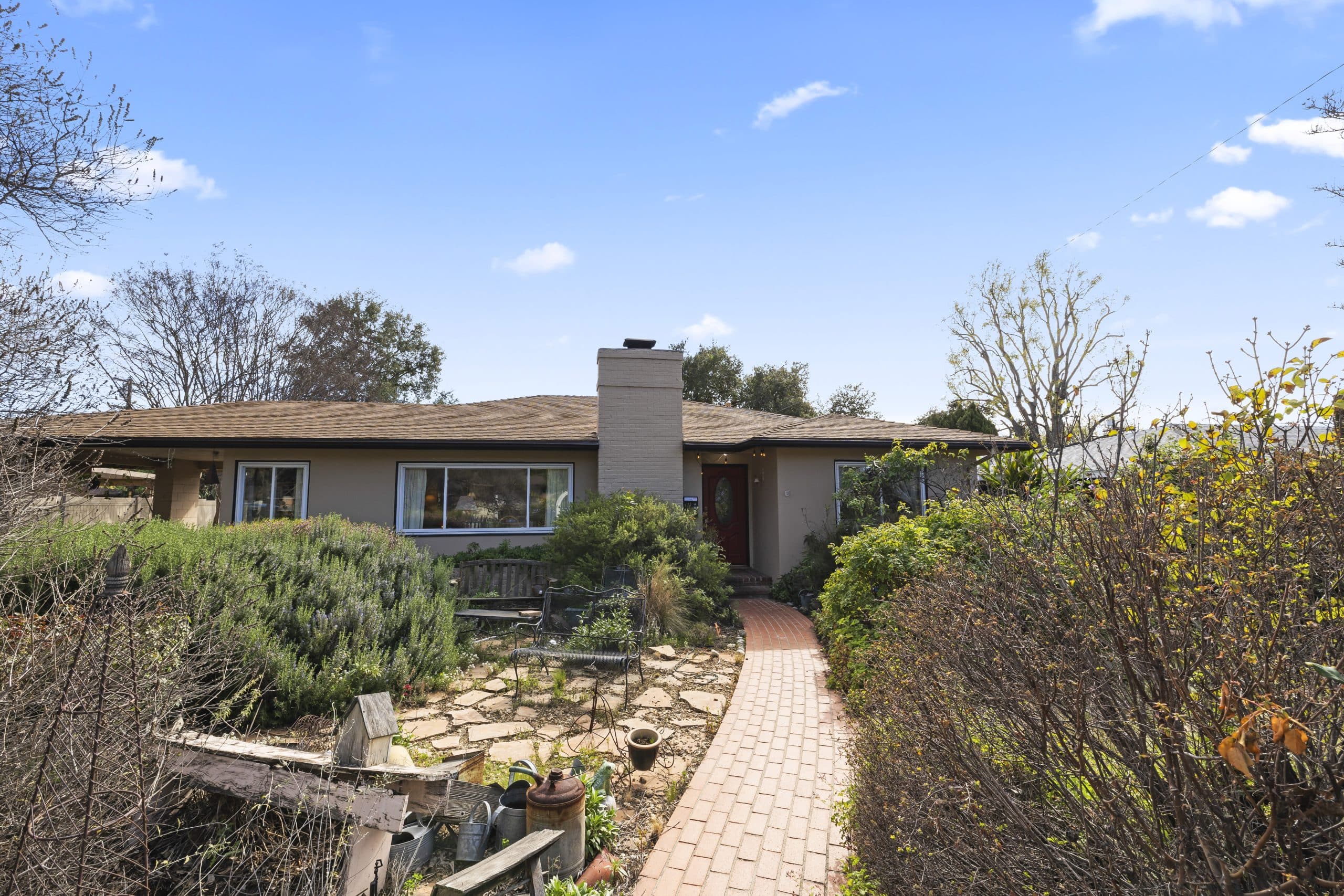
Ask which part of the house finally becomes too much and the answer is more often the yard than the stairs. Claremont lots are generous, the growing season is long, and a garden that was a pleasure at sixty can be a standing obligation at eighty. The lawn does not care that your shoulder hurts.
What makes this worth addressing early is that a yard problem is almost always fixable, and it is fixable in stages. Nobody has to choose between a demanding landscape and gravel.
Work out which part is the burden
Yard maintenance is not one job. Separating it makes the whole thing tractable.
Mowing and edging is weekly, physical, and the easiest thing in the entire list to hand off or design away.
Watering is daily attention if it is manual, and near zero if it is automated properly. This gap is enormous and frequently overlooked.
Pruning and deadheading is seasonal, awkward, and often involves reaching or ladders — which is where the genuine injury risk sits.
Leaf and debris management is the Claremont specialty, because the mature canopy that makes these streets beautiful drops a great deal, and much of it lands in autumn all at once.
Tree care is the one that must never be improvised. Anything requiring a ladder or a chainsaw belongs to a licensed and insured professional, full stop.
Most households find that one or two of these are the actual problem and the rest are fine. Fixing the right one is much cheaper than redoing the yard.
Irrigation is the highest-return change
If there is a single recommendation in this article, it is this: get the watering automated and correct.
A properly zoned drip system with a modern controller removes the daily obligation entirely, uses less water than hand watering or spray, and keeps plants healthier because they are watered deeply and on schedule rather than according to who felt up to dragging a hose.
It also does something less obvious. It makes the yard survivable during a hospital stay or a long trip, which is exactly when neglected gardens die and create a much bigger problem on return.
Drip conversion on an existing spray system is a defined project, not a landscape overhaul, and it is the change most likely to keep a garden that a person actually loves.
Reducing lawn without going bare
Lawn is the most maintenance-intensive square footage on most properties. Reducing it is the standard move, and the mistake people make is thinking the alternative is gravel and three shrubs.
Better versions:
- Shrink rather than eliminate. A smaller lawn panel kept as a green centerpiece, with the perimeter converted to planting, keeps the look and cuts the work substantially.
- Mediterranean and California native planting. Suited to this climate, established plants want far less water and far less fussing, and the palette is genuinely handsome rather than a compromise.
- Groundcovers. Lower growing, no mowing, and they hold soil on the gently sloped lots common on the north side.
- Mulch generously. The single cheapest labor-saving material there is. It suppresses weeds, holds moisture, and makes beds look maintained between visits.
- Hardscape with intent. A patio, a path, a seating area. Zero maintenance, and it adds usable outdoor room rather than subtracting garden.
Check current water-agency and city requirements before a significant landscape change, and confirm rebate or turf-replacement programs directly with the relevant agency rather than relying on any article, since these change.
Trees: the Claremont question
The canopy is one of the best things about this town and it is also a genuine responsibility.
Mature trees need periodic professional attention, and neglected ones become both a hazard and an expensive emergency. Regular inspection by a certified arborist is the sane approach, and it is far cheaper than the alternative.
Two practical notes for an older household. First, tree work is the category where amateur effort causes the most serious injuries, and it is worth deciding once and for all that ladders and saws are somebody else's job. Second, some trees in Claremont are subject to city protections, so removal is not simply a matter of deciding — confirm the current rules with the City of Claremont before anyone plans anything.
Leaf load is worth planning for rather than enduring. A seasonal arrangement for the heavy weeks costs far less than year-round service and solves most of the problem.
Getting help, sensibly
Regular help with the yard is often the cheapest possible intervention in the whole aging-in-place picture, and households frequently resist it long past the point of sense.
A few practical points. Written scope beats a handshake, because "the yard" means different things to different people. Ask for license and insurance for anything beyond routine mowing. Establish a regular schedule rather than calling when things get bad, since a maintained yard takes less work than a rescued one.
And be alert to the doorstep pitch. Unsolicited offers to trim trees or fix the sprinklers, particularly when they involve pressure or cash up front, are a recurring pattern around older homeowners. The article on scams that target older Claremont homeowners covers this specifically, and home repair solicitation is one of the most common versions.
Safety in the yard itself
The garden is a fall environment and rarely gets audited like the interior does.
- Uneven paving, particularly where roots have lifted it. Common under mature trees and worth walking the whole path.
- Hose across the walk, which is solved by the irrigation change above.
- Steps without a rail, including the single step down from a patio.
- Lighting on paths, the driveway, and the route from the car to the door.
- Somewhere to sit. A bench partway down a long garden turns a daunting walk into a manageable one.
The room-by-room safety audit covers the indoor equivalent, and the piece on light and contrast applies to outdoor paths just as much as to hallways.
What this is really about
A yard that has become an obligation quietly erodes the case for staying, often without anyone naming it. The person does not say "I cannot manage the garden." They say the house is too much.
Which means the reverse is also true: fixing the yard sometimes fixes the whole question. A drip system, a smaller lawn, a standing arrangement for the heavy weeks, and the ladder work handed to someone else can convert an unmanageable property back into a comfortable one for a very long time.
The senior living and housing guide maps the broader set of options, and the guide to what is worth doing to an older Claremont home puts the yard alongside the indoor projects. If you want an honest walk around a property with an eye on what the maintenance load could become, that conversation is available at no cost and carries no suggestion about selling. Anthony Grynchal has been licensed in California since November 2009.
Frequently asked questions
What is the highest-return change for a demanding yard?
Automated drip irrigation with a modern controller. It removes the daily obligation entirely, uses less water than hand watering, keeps plants healthier, and means the garden survives a hospital stay or a long trip rather than dying and creating a larger problem.
Does reducing maintenance mean losing the garden?
No. Shrinking a lawn to a smaller green panel with planted perimeter, using Mediterranean and California native plants suited to the climate, adding groundcovers, mulching generously, and placing intentional hardscape all cut work substantially while keeping a handsome garden.
How should an older homeowner handle tree care?
Hand it entirely to licensed, insured professionals and arrange periodic inspection by a certified arborist. Ladders and saws cause the most serious injuries in this category. Some Claremont trees are also subject to city protections, so confirm current removal rules with the City directly.
What should I watch for when hiring yard help?
Get a written scope, since the yard means different things to different people, ask for license and insurance beyond routine mowing, and set a regular schedule because a maintained yard is less work than a rescued one. Be wary of unsolicited doorstep offers involving pressure or cash up front.
Can fixing the yard really change the bigger picture?
Often, yes. People rarely say the garden has become unmanageable; they say the house is too much. Irrigation, less lawn, seasonal help for the heavy weeks and professional tree care can convert a demanding property back into a comfortable one for a long time.

Written by
Anthony Grynchal
Anthony Grynchal is a California real estate professional with eXp Realty, licensed since November 2009 (California DRE# 01873626), and the Designated Local Expert™ for Claremont — where he has lived for more than 33 years.
More about AnthonyPublished · Updated