Voice control is the most demonstrated and least examined part of a smart home. It looks impressive for the first week, and then a household settles into using it for four things, none of which are the ones in the advertisement.
This article is about those four things, about the microphone question that sits underneath all of it, and about the specific ways an older Claremont house makes voice control work better or worse. It extends the smart-home guide.
Where it actually earns its place
Voice wins when your hands are full, when you are across the room, or when the alternative is a phone. In practice that narrows to a short list.
- LIGHTS, from a doorway or from bed, in a house where the switch is inconveniently placed. Older floor plans are full of these.
- TIMERS AND KITCHEN TASKS, with wet or full hands. Genuinely the most used feature in most households.
- MUSIC in a room, without finding a phone first.
- A QUICK STATUS CHECK -- is the garage closed, is the front door locked -- which is faster spoken than through three taps in an app.
Where it does not earn its place: security functions. Voice is a poor gatekeeper, because a voice command carries no reliable identity. Unlocking a door by voice is a category of convenience worth declining, and where a system permits it at all it should be behind a spoken code at minimum. The same skepticism applies to disarming an alarm.
The other honest limit is that voice does not scale. A house with sixty named devices is a house where nobody remembers the names, and the failure mode is a person saying a command three ways while a guest watches. Name things after ROOMS and OBJECTS as an occupant would describe them, keep the list short, and never rename things once the household has learned them.
The microphone question, which is the real subject
A voice assistant is a permanently powered microphone in a room where people talk. That is not an argument against having one, but it is the fact the rest of the decisions follow from.
CALIFORNIA IS A TWO-PARTY CONSENT STATE for recording confidential communications. That principle shapes three situations.
FIRST, GUESTS AND HOUSEHOLD MEMBERS. Everyone who lives in or regularly visits the house should know which rooms have microphones. This is a two-minute conversation and it prevents the discovery that reads as deception.
SECOND, SHOWINGS. Buyers walking a listed home discuss the house, the price and their strategy out loud. An active microphone in that setting is both an audio-consent exposure and a reputational disaster if discovered. The rule is disclose or disarm: unplug the speakers for the listing period, or disclose them to your agent so visitors can be told. There is no third option that ends well.
THIRD, TENANTS. In a rented property, a landlord-installed listening device in the occupant's living space is not a grey area worth exploring. The boundaries are set out in smart devices in a Claremont rental. This is general information rather than legal advice, and a California attorney is the right source on recording law.
Practical hygiene regardless: know where the PHYSICAL MUTE is on every device you own and use it, put nothing with a microphone in a bedroom or a home office where confidential calls happen unless you have decided that deliberately, and review the stored voice history and deletion settings in whatever platform you use. Those settings exist and almost nobody opens them.
What an older house does to voice
Two local realities change the setup.
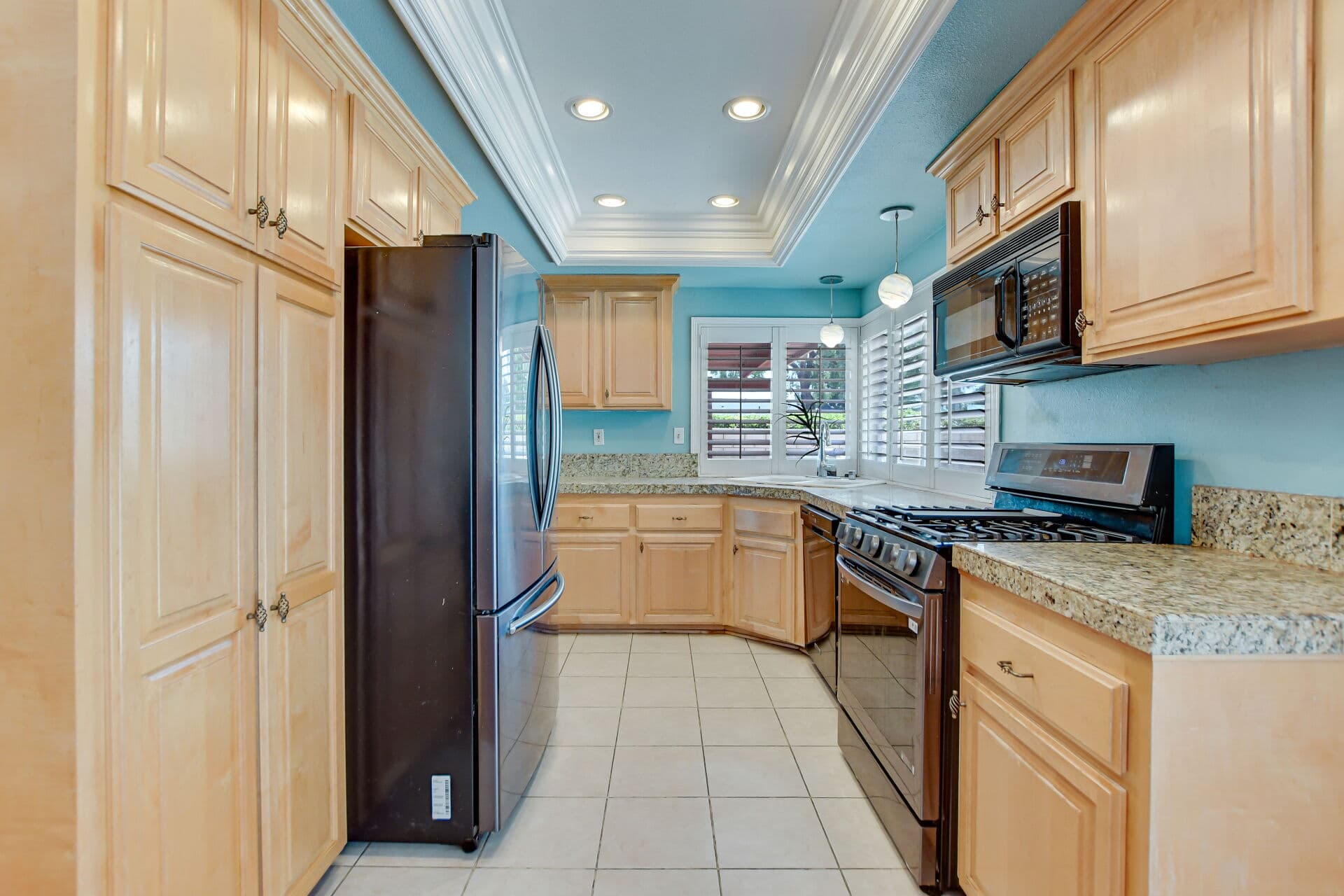
ACOUSTICS. Hard plaster walls, wood floors and high ceilings are reflective, which is pleasant for music and unhelpful for speech recognition. A device that struggles in a bright, hard-surfaced room usually improves with placement rather than replacement: away from a corner, off a reflective surface, and not directly beside the appliance that runs constantly. Kitchens with tile, plaster and a running dishwasher are the hardest rooms in the house.
COVERAGE. Long floor plans, detached garages and mature canopy between the house and any outbuilding mean the network reaches unevenly, and a voice device with a marginal connection produces the worst user experience of any smart-home category: a delay, then a failure, then a repeated command. If a room's connection is unreliable, fix the network before adding a speaker to it.
Choose the assistant with the account in mind
A voice platform is not really a speaker purchase, it is an account commitment. Every device, every routine and every device name lives inside one company's ecosystem, and moving later means re-pairing everything.
Two consequences worth planning for. First, HOUSEHOLD ACCOUNTS: set the system up under a household or shared arrangement rather than one person's personal login, or the system becomes unusable when that person changes phones, changes jobs or leaves. Second, PLATFORM LIFECYCLE: assistants and their integrations get discontinued, and a device whose service ends is frequently a paperweight. That risk is the subject of when the app outlives its company, and the mitigation is the same: prefer devices that still function locally without the assistant, and never let voice become the only way to operate anything.
That last point is the one that matters most in a house with older residents or frequent guests: EVERY LIGHT, LOCK AND THERMOSTAT MUST STILL WORK BY HAND. Voice is a layer on top of a working house, not a replacement for its controls. The reasoning for building that way is in smart tech for Claremont seniors.
At closing
Voice speakers are almost always personal property and leave with the seller, which is the easy part. The hard part is that the ASSISTANT ACCOUNT is usually the hub the rest of the house was organized around. Removing it can strip the routines, the device names and sometimes the pairings from everything that stays behind.
The sequence that works: hand over the devices that stay in a factory-reset state, remove them from your account, take your speakers with you, and give the buyer a written list of what was installed and where. Buyers should expect to rebuild the routines and should not assume a seller's automations transfer, because in most ecosystems they do not.
The short version
Use voice for lights, timers, music and status. Never for locks. Keep the device names short and stable. Know where the mute button is, tell your household and your guests, and disclose or disarm before a single buyer walks through. Fix the network before adding a speaker, put the system on a household account, and make sure every control in the house still works with a hand.
General information, not legal advice. The hub above covers the rest of the cluster. Anthony Grynchal has been licensed in California since November 2009.
Frequently asked questions
Should I use voice control to unlock my door?
Generally no. A voice command carries no reliable identity, which makes voice a poor gatekeeper for anything security related. If a platform permits it at all, put it behind a spoken code at minimum, and apply the same skepticism to disarming an alarm by voice. Convenience is not worth that trade at an exterior door.
Do I have to disclose smart speakers during showings?
Disclose or disarm. Buyers discuss the house, the price and their negotiating position out loud inside a listed home, and an active microphone in that setting is both an audio-consent exposure under California two-party consent and a reputational problem if discovered. Unplug speakers for the listing period or tell your agent so visitors can be informed.
Why does a voice assistant struggle in an older Claremont house?
Hard plaster walls, wood floors and high ceilings reflect sound, which is pleasant for music and unhelpful for speech recognition. Placement usually fixes it: away from corners and reflective surfaces, and not beside a constantly running appliance. Kitchens with tile, plaster and a dishwasher are the hardest rooms in the house.
Whose account should a voice system be set up under?
A household or shared arrangement rather than one person personal login. A system built entirely under an individual account becomes unusable when that person changes phones, changes jobs or leaves the household, and untangling ownership afterward is far harder than setting it up correctly at the start.
What happens to voice automations when a house is sold?
Speakers are almost always personal property and leave with the seller, and removing the seller account frequently strips routines, device names and sometimes pairings from devices that stay. Hand over remaining devices factory reset, remove them from your account, and give the buyer a written list. Buyers should expect to rebuild routines.

Written by
Anthony Grynchal
Anthony Grynchal is a California real estate professional with eXp Realty, licensed since November 2009 (California DRE# 01873626), and the Designated Local Expert™ for Claremont — where he has lived for more than 33 years.
More about AnthonyPublished · Updated