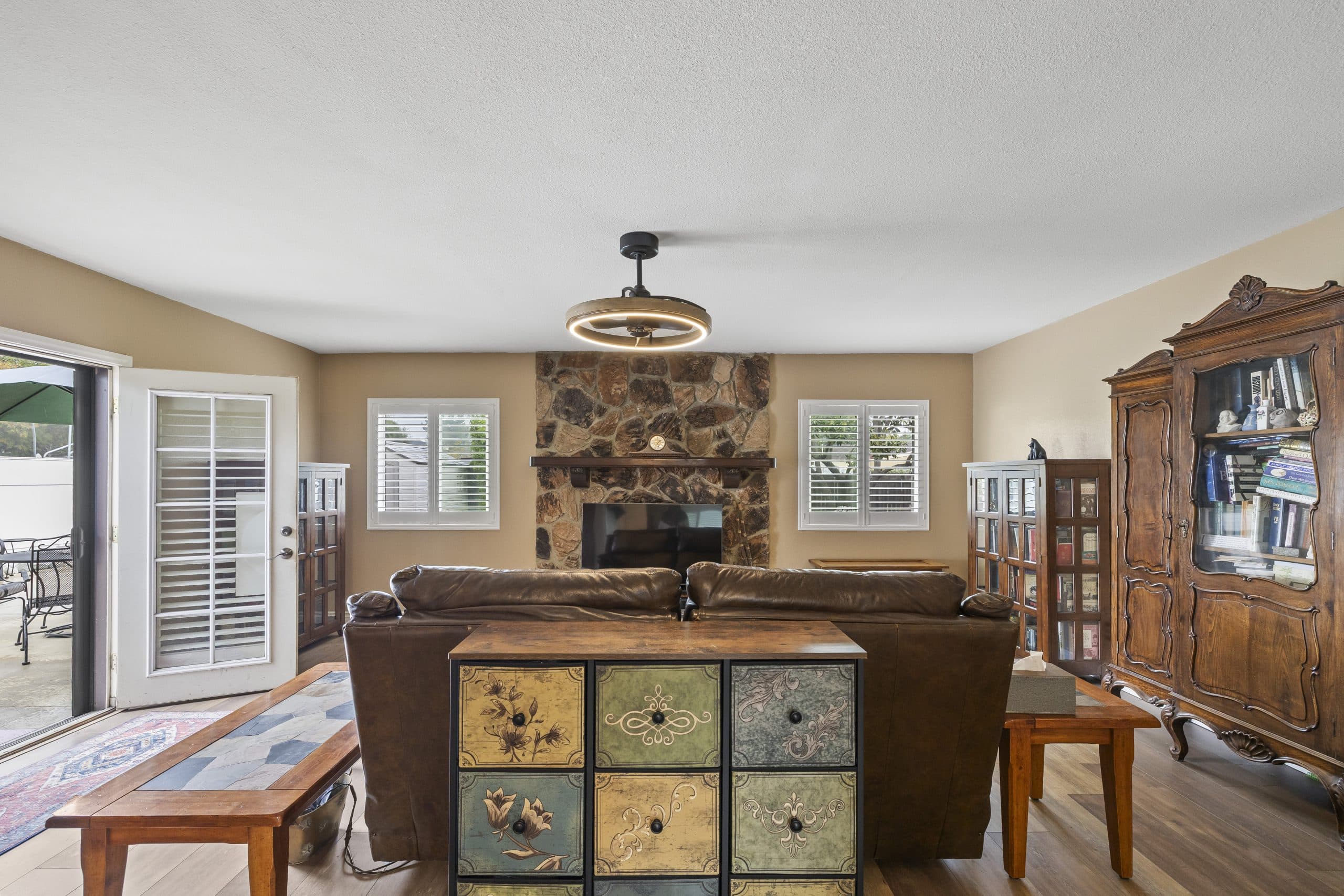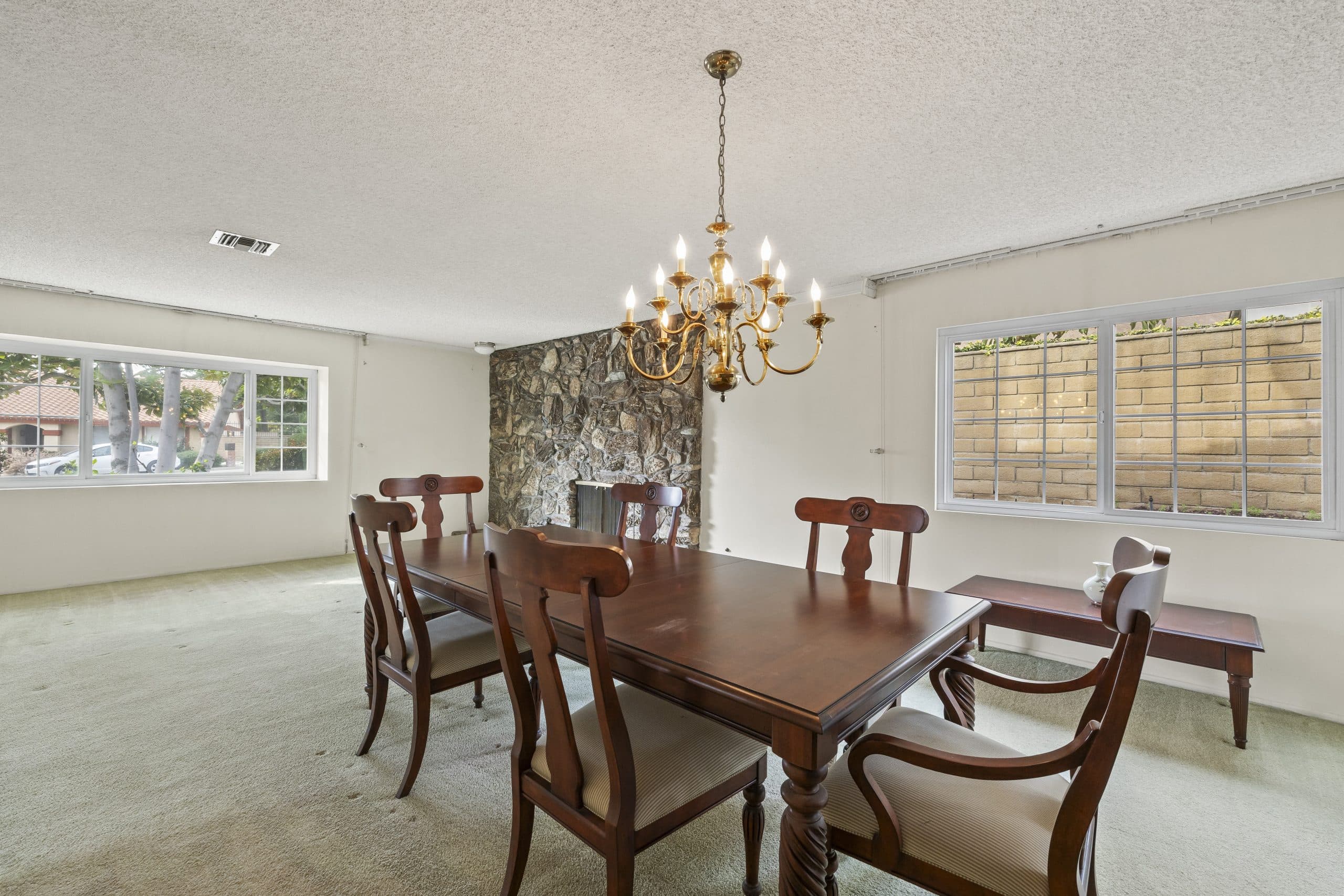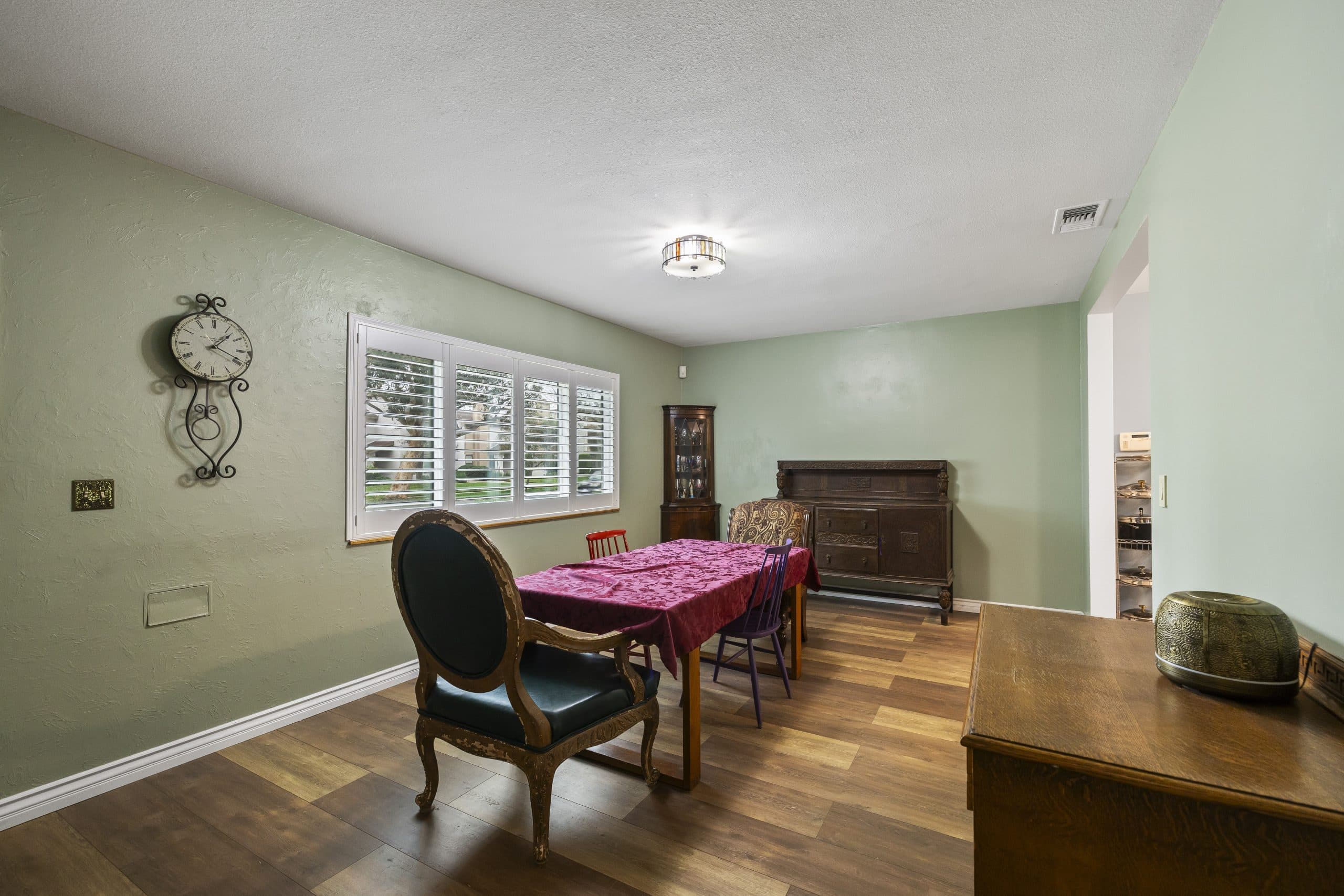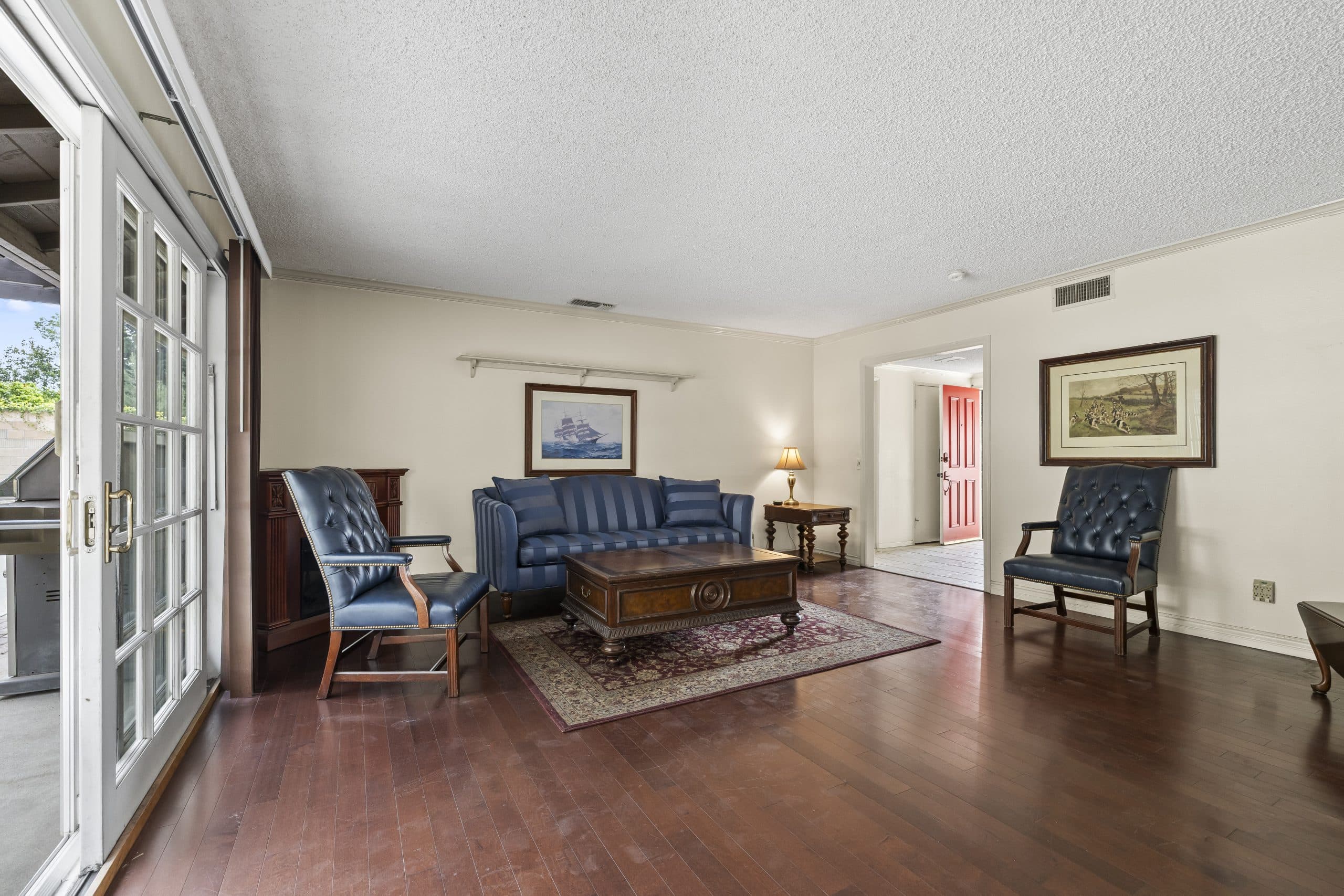
Finishes are cheap relative to structure and easy to change. Bones are neither. A buyer who learns to separate the two walks into every showing with an advantage over the buyer reacting to the countertops.
BONES means the part of a house you inherit whether you like it or not: the massing, the plan, the ceiling heights, the window openings, the orientation, the foundation, and whatever original character survived. This article is a field method for reading them. It deepens the architecture guide.
Start outside, before the door opens
The exterior tells you more than the listing does. Read the roof first - pitch and eave date the house and predict its construction, which is the whole method the rooflines guide teaches. Read the walls next: is the material consistent, or does one section announce a later phase? Read the windows: consistent head heights and proportions usually mean an intact envelope; a wall with three different window types means a history.
Then read the approach. The entry sequence is where alterations surface first, and a house whose front walk has been eaten by a driveway is telling you something about how the property has been treated.
The five bones that matter most
ONE, THE PLAN. Does the circulation make sense, or does every trip to a bedroom cross a living space? Are the rooms proportioned for the way you live? Plan defects are the most expensive thing to fix, because fixing them means structure. Plan virtues are permanent and free.
TWO, CEILING HEIGHT AND VOLUME. Height cannot be added economically. A house with generous ceilings and a modest budget of finishes will feel better after paint than a low-ceilinged house feels after a full renovation.
THREE, LIGHT AND ORIENTATION. Which rooms take morning sun, which take the hot western afternoon, whether the glazing faces the good view or the neighbor's fence. Windows can be replaced; the wall they sit in and the direction it faces cannot. The windows and light guide covers what each era intended here.
FOUR, THE LOT AND ITS RELATIONSHIP TO THE HOUSE. Where the house sits on the parcel determines the usable yard, the privacy, the potential for a future addition, and whether the indoor-outdoor life this climate offers is actually available. A house pushed to one boundary with a token rear strip is a different asset from the same square footage centered on a generous lot.
FIVE, ORIGINAL CHARACTER THAT SURVIVED. Millwork, fireplace surrounds, built-ins, hardwood, period tile. These are not decoration; they are the part of the house that cannot be bought back once gone, and they are what the remodeling guide treats as the finite asset.
What good staging hides
Staging is legitimate and often skilled, and it is designed to make a plan feel better than it is. Watch for a few things. Furniture scaled small makes rooms read large; carry a tape measure or at least pace the rooms. Rugs positioned over the transitions between flooring types disguise the seam where an addition met the original. Mirrors placed to imply light that is not there. A single dramatically lit room drawing attention from three dim ones.
None of this is dishonest. It simply means the emotional reaction at a showing is partly manufactured, and the bones assessment has to be done deliberately rather than felt.
What good bones make cheap
The buying case for bones is arithmetic. Paint, flooring, fixtures, cabinetry, and landscape are all replaceable on a homeowner's timeline and budget. Structure, plan, height, orientation, and lost original character are not. So a house that is DATED but sound and intact is frequently a better purchase than the same money spent on a recently flipped house whose plan is awkward and whose original detail is in a dumpster.
That is also why intact period stock in this town holds attention. The character is the scarce input, and the scarcity is permanent.
The questions worth asking
Ask what has been changed and when, and ask to see permits. Ask which walls the seller believes are structural. Ask about the sequence of systems work - plumbing, electrical, roof, HVAC - because on an older house those items have a chronology and the documented ones are the reassuring ones.
Then let the inspection do its job. A bones read is a screening tool that tells you which houses deserve the money for a thorough inspection; it is not a substitute for one, and it never should be treated as one.
The habit to build
Walk more houses than you intend to buy, and after each one write down three sentences: what the bones are, what the finishes are, and which of the two you were reacting to. Within a dozen showings the two categories separate on their own, and the houses that stay in memory afterwards are almost always the ones whose bones were good.
That is not a coincidence. It is the reason experienced buyers in this town look at old houses in bad paint and see an opportunity that the photographs completely failed to convey. For the block-level context that predicts what you are walking into, read reading a Claremont streetscape. This is general information rather than advice on any specific property; condition, records, and inspections govern.
Anthony Grynchal has been licensed in California since November 2009.
Frequently asked questions
What does good bones mean in a house?
The parts a buyer inherits and cannot easily change: the massing, the floor plan and circulation, ceiling heights, window openings and orientation, the foundation and structure, the lot relationship, and whatever original character survived. Finishes are the replaceable layer sitting on top of all of it.
Is a dated house a better buy than a recently flipped one?
Frequently, yes, if the dated house is sound and intact. Paint, flooring, fixtures, and cabinetry are replaceable on an owner's own timeline. An awkward plan, low ceilings, poor orientation, and original detail already removed are permanent, and no finish budget recovers them.
How do I read a house's bones at a showing?
Start outside with the roof pitch, wall materials, and window rhythm, then read the entry approach for signs of alteration. Inside, test the circulation, pace the rooms rather than trusting the furniture scale, note ceiling height, and check which rooms take which light.
Does reading the bones replace a home inspection?
No. It is a screening method that tells you which houses justify spending money on a thorough inspection. Structural, systems, and condition questions belong to qualified inspectors and to the property's own permit and disclosure records.

Written by
Anthony Grynchal
Anthony Grynchal is a California real estate professional with eXp Realty, licensed since November 2009 (California DRE# 01873626), and the Designated Local Expert™ for Claremont — where he has lived for more than 33 years.
More about AnthonyPublished · Updated