A designation is a statement about how a building may be altered and, after a loss, how it may be restored. Insurance is a promise about restoring a building. Those two facts meet, and the meeting point is where owners of designated homes should be paying attention.
The risk is not that a designated home cannot be insured. It is that it can be insured as though it were an ordinary house of its size, which is a different building from the one that actually stands there.
This article extends the Claremont home insurance guide. It describes a general relationship between restoration standards and coverage. I am a real estate professional, not an insurance broker, not an adjuster, and not an authority on any designation program. Nothing here states what any policy covers or what any designation requires. Coverage questions belong to a licensed insurance broker and to the carrier in writing, designation questions belong to the City of Claremont and to the relevant program, and consumer questions belong to the California Department of Insurance. Rules change, so verify current terms.
The core problem: rebuild cost is a construction question
Dwelling coverage is an estimate of what it would cost to rebuild the structure. That estimate is produced from property characteristics, and generic characteristics produce a generic estimate.
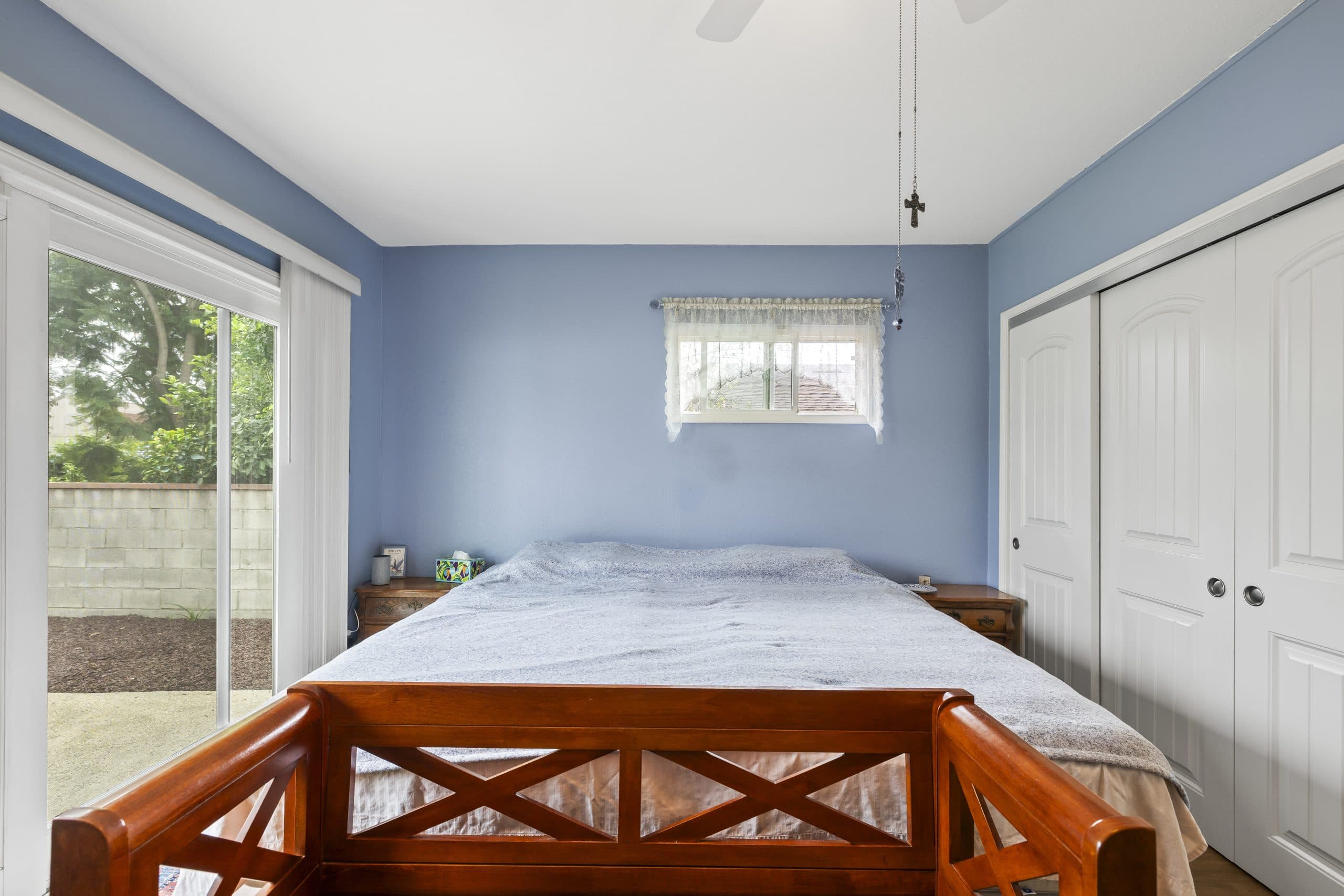
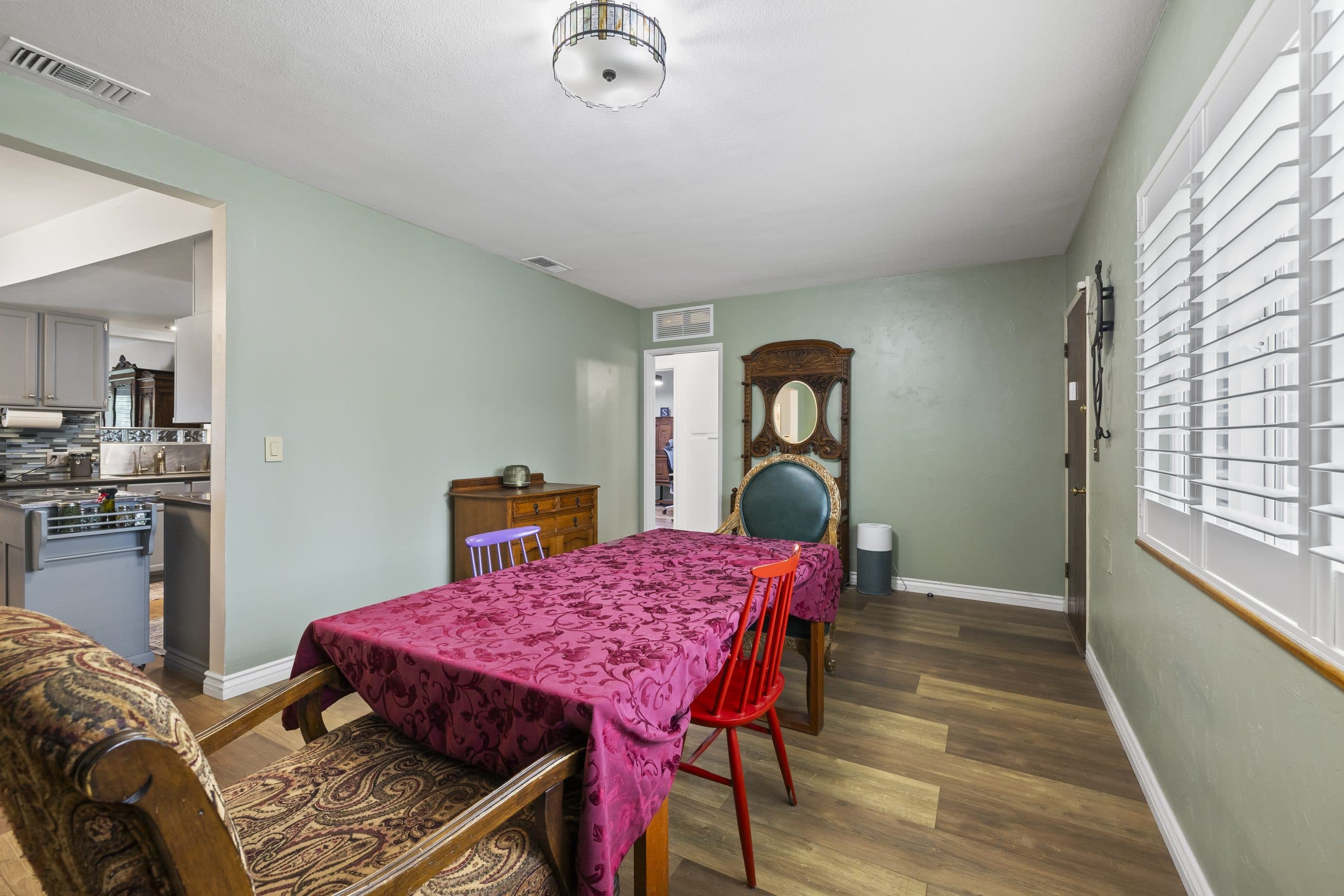
A designated home may carry features that are not generic: materials no longer in common production, joinery and millwork made rather than bought, plaster instead of board, windows that cannot simply be ordered, roofing of a type with few installers. If the estimate was built from square footage and a standard finish level, it describes a different house.
The reasoning behind rebuild estimates generally is in the article on setting dwelling coverage. The point specific to a designated property is that the gap between generic and actual can be wider, and it is the owner who closes it by describing the house accurately.
The second problem: what the rebuild is REQUIRED to be
Where a designation or a program imposes standards on how a property is restored, a rebuild may be a constrained project rather than a free one. Constraints have costs: review processes, specified materials, specified methods.
The coverage concept that speaks to costs arising from requirements is discussed in the article on ordinance and law coverage on an older home. Whether it responds to any particular requirement, and to what extent, is a policy question for a broker and a carrier, not something to be assumed from a general description.
The question worth asking plainly is this: if this house had to be rebuilt to the standards that apply to it, does the policy contemplate that, or does it contemplate a modern replacement of similar size.
Underwriting an old building
Designation aside, an older structure raises the ordinary underwriting questions, and often more of them: the electrical system, the plumbing, the heating, the roof. Those are the same questions described in the article on what underwriters ask about older systems, and they arrive with a wrinkle. An upgrade that satisfies an underwriter may itself be subject to review where the work is visible or affects protected features.
That is a real tension and it is best resolved in the correct order: find out what the property permits, then find out what the carrier requires, then find a path that satisfies both. Doing it in the other order produces work that has to be undone.
Documentation is the whole exercise
For a designated property, documentation does more work than for an ordinary one.
PHOTOGRAPHS OF FEATURES, not just rooms. Millwork, hardware, tile, glass, built-ins, the details that make the building what it is. The general practice is described in the article on building a home inventory before a loss, and it applies with more force here because the features are not replaceable from a catalog.
ANY EXISTING RECORDS. Surveys, prior restoration documentation, contractor reports, drawings. Anything that establishes what exists and what it took to maintain it.
THE DESIGNATION PAPERWORK ITSELF, so the broker is describing an accurately characterized building.
Give this material to the broker at the application stage rather than after a loss. The application is where a property gets characterized, and the article on the application questions that decide a policy explains why accuracy there matters so much.
Buying one
A designated home is an ordinary purchase with two extra threads to pull, both early.
The first is the designation itself: what applies, what it requires of an owner, and what any associated program involves. That belongs to the City and to the program, and the answers should be in hand before the inspection period closes.
The second is the insurance thread, which should start the day escrow opens with the designation disclosed to the broker. A quote produced without it is a quote for a different house. The timing is in the article on binding coverage in escrow.
The Claremont angle
Claremont takes its older architecture seriously, and that is a large part of the town's character. It also means a meaningful number of owners hold property where restoration is not an entirely open question, and where the house is genuinely not interchangeable with a modern one of the same footprint.
Owners of such homes are usually attentive to the building. The recommendation here is to extend that attention to the declarations page once a year: read what the dwelling limit says, ask what characteristics produced it, and ask whether the requirements attaching to the property have been accounted for.
Where I stop
I can explain why restoration standards and coverage are connected, and what to gather. I cannot tell anyone what their designation requires, what their policy covers, or how a rebuild would be handled. Those belong to the City of Claremont and the relevant program, to a licensed insurance broker, to the carrier in writing, and to the California Department of Insurance.
The wider coverage picture is in the overview of insuring a Claremont home. Anthony Grynchal has been licensed in California since November 2009.
Frequently asked questions
Is a historic home harder to insure?
The building is often more particular to describe rather than impossible to cover. The recurring issue is that a rebuild estimate built from generic characteristics may not describe a house with non-standard materials and workmanship. Discuss it with a licensed broker.
Does a designation change what a rebuild has to look like?
It can, where a designation or program imposes restoration standards. Those requirements belong to the City of Claremont and the relevant program, and they are worth confirming directly rather than assuming.
Will my policy pay for restoration to a required standard?
That depends on the policy and its endorsements, and nobody should assume it. Ask a licensed insurance broker specifically how the policy treats costs arising from requirements, and get the answer from the carrier in writing.
What should I document?
Photograph features, not only rooms: millwork, hardware, tile, glass and built-ins, plus any surveys or restoration records. Give that material to your broker at application, not after a loss.
I want to upgrade the wiring but the house is designated. What order do I work in?
Find out what the property permits, then what the carrier requires, then find a path that satisfies both. Working the other way around can produce work that has to be undone.

Written by
Anthony Grynchal
Anthony Grynchal is a California real estate professional with eXp Realty, licensed since November 2009 (California DRE# 01873626), and the Designated Local Expert™ for Claremont — where he has lived for more than 33 years.
More about AnthonyPublished · Updated