Bedroom count is one of the first filters a buyer applies and one of the strongest determinants of which other homes yours will be compared against. It is also the field most often stated loosely, and in Claremont's older stock the loose statement can create real trouble.
Why the count matters so much
Buyers search by bedroom count. A home listed with one number appears in one set of results and not another, and it competes against a particular group of properties. That grouping is what a comparison then works from.
So the count is not a cosmetic detail on a listing sheet. It determines the entire comparison set, which means an error there propagates through everything downstream.
What generally makes a room a bedroom
A room being used for sleeping does not, on its own, settle the question. The practical tests usually involve whether the space has a means of egress appropriate for a sleeping room, adequate ceiling height, its own access without passing through another private room, and whether the space was permitted as habitable in the first place.
These requirements come from building and safety standards, and they change over time, so what was acceptable when a house was built is not necessarily what applies to work done later. The City of Claremont is the authority on what applies to a specific property, and permit records are the place to start rather than a rule of thumb.
The important practical point: an unpermitted conversion that functions perfectly well as a bedroom may not be countable as one, and stating it as one on a listing creates exposure the seller does not want.
The dens, offices, and bonus rooms
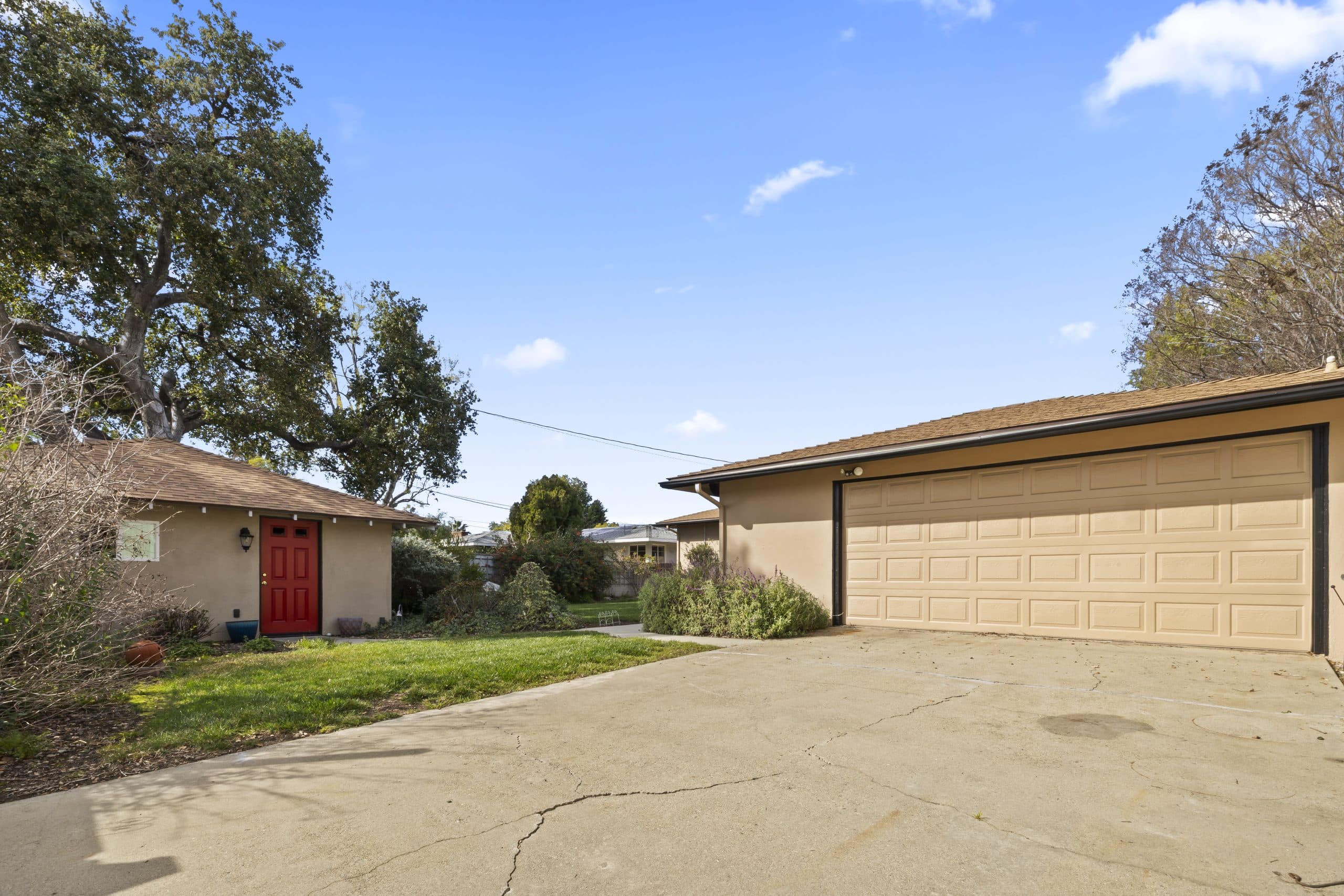
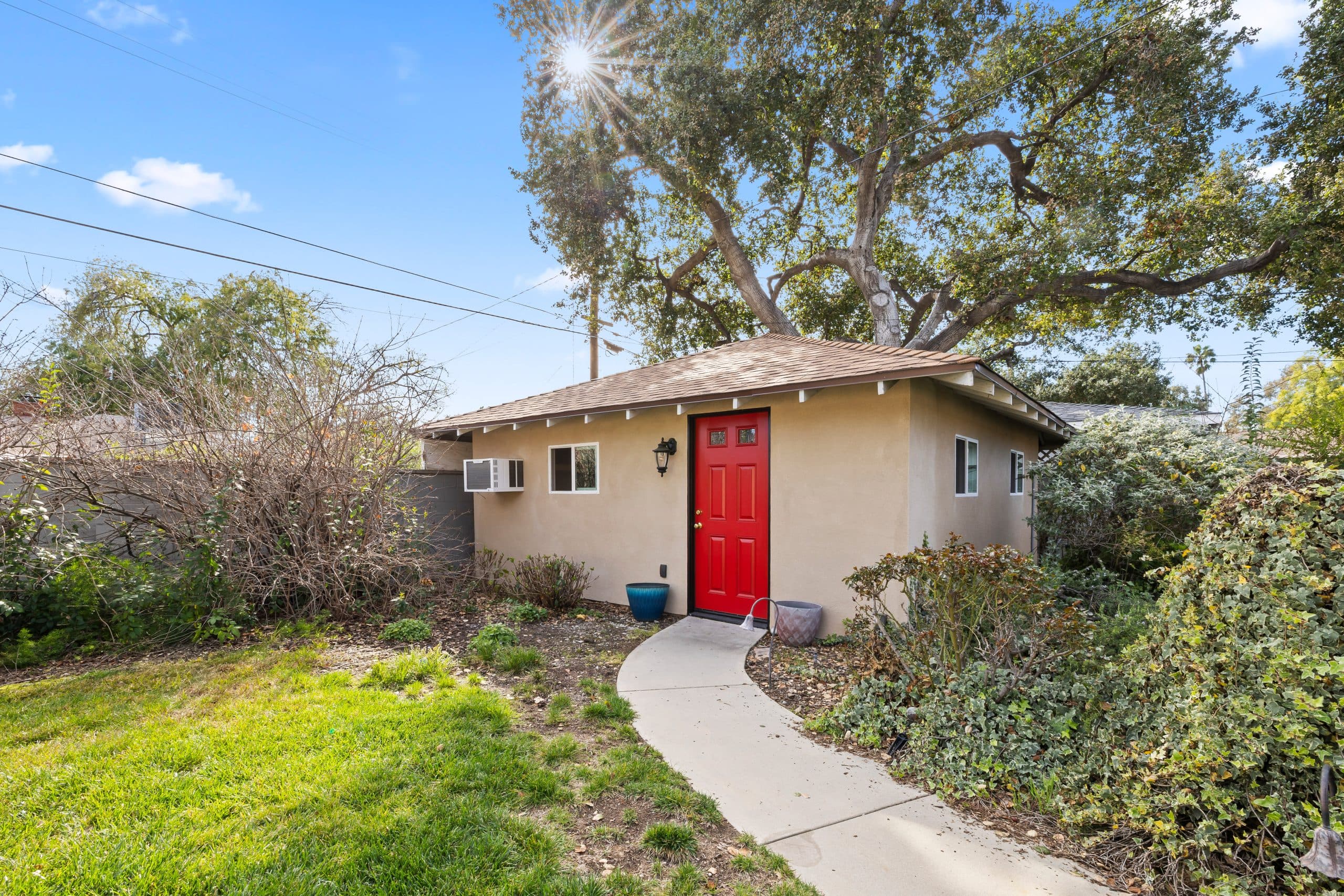
Claremont has a great many rooms that occupy the middle ground. A converted porch. A room off the garage. A space with a wall of built-ins and no closet. A finished area under a lower roofline.
These are genuinely useful spaces and they do have value. The question is how they get counted. A room that does not meet the requirements for a sleeping room is usually described honestly as a den, office, or bonus room, and its contribution is assessed as additional living area and utility rather than as an added bedroom.
That is not a demotion. It is an accurate description, and accurate descriptions are what keep a transaction from falling apart later.
Bedrooms without bathroom support
A count on its own can also mislead in the other direction. A home with several bedrooms and one bathroom does not function like a home with the same bedroom count and a second bath, and buyers price that difference consistently.
This is one of the layout effects covered in the article on when a Claremont floor plan quietly costs you. Room count is a headline; how the rooms work together is the substance.
Square footage is a separate question
A conversion that adds a room may or may not add recognized square footage, depending on how the space was created and whether it was permitted as habitable. Owners are frequently surprised that a finished area they use daily does not appear in the record.
Where the discrepancy exists, it needs to be identified and explained rather than assumed away, because a buyer's lender and a buyer's appraiser will both encounter the same record. The broader relationship between recorded area and what buyers actually pay for is worked through in square footage vs. lot size.
How to handle a disputed room before listing
Three practical steps, in order.
First, check the permit record for the property. What exists on paper is the starting point for every later conversation.
Second, if the work was done without a permit, find out what the current path to legitimizing it would involve. Sometimes it is straightforward and worth doing. Sometimes it is not, and the better answer is honest disclosure.
Third, describe the space accurately in the listing regardless. Overstating a count is a short-term gain that tends to surface at the worst possible moment, during a buyer's inspection or an appraisal.
Why automated estimates get this wrong often
An automated model takes the bedroom count from whatever record it reads, which may be the county record, a prior listing, or both. Where those disagree, or where a conversion was never recorded, the model has no way to resolve it and no way to know that a room is only reachable through another.
The result on altered older housing is an estimate built on a room count that does not describe the house. That is one of the clearest examples of why the automated approach struggles most on exactly the stock Claremont has most of.
Getting it settled
The way to know how your rooms will actually be counted, and what that does to the comparison set, is to have the property looked at alongside the permit record and the current comparable sales. Mr. Claremont prepares a comparative market analysis, a broker opinion of value, on that basis, and coordinates an independent, state-licensed appraiser when a formal appraisal is what is needed. County property records come from the Los Angeles County Assessor, and permit history from the City of Claremont.
The full series sits on the Claremont home values hub, and the closest companion piece is how a Claremont home valuation is built, step by step.
Anthony Grynchal has been licensed in California since November 2009.
Frequently asked questions
Does a room need a closet to be a bedroom?
Requirements vary and are set by building and safety standards rather than by custom, with egress, ceiling height, and independent access typically mattering more than a closet. The City of Claremont is the authority for a specific property.
Can I list a converted garage as a bedroom?
Only if the conversion was permitted and the space meets the applicable requirements for a habitable sleeping room. Describing an unpermitted conversion as a bedroom creates exposure that tends to surface during inspection or appraisal.
Does a den add value even if it is not a bedroom?
It can, as additional living area and utility. It is assessed on what it actually contributes rather than counted toward the bedroom total, and describing it accurately avoids problems later in the transaction.
Why does my county record show fewer bedrooms than my house has?
Usually because a conversion or addition was never permitted or never recorded. The discrepancy should be identified before listing, since a buyer's lender and appraiser will encounter the same record.

Written by
Anthony Grynchal
Anthony Grynchal is a California real estate professional with eXp Realty, licensed since November 2009 (California DRE# 01873626), and the Designated Local Expert™ for Claremont — where he has lived for more than 33 years.
More about AnthonyPublished · Updated