Two numbers dominate every listing summary, living area and lot size, and both are worse guides to value than homeowners expect. They are convenient because they are measurable. They mislead because buyers do not experience a house as a quantity of space; they experience it as a set of usable rooms and a yard that either works for their life or does not.
Understanding where these two numbers help and where they break is one of the more useful things a Claremont owner can learn before a valuation conversation.
Why price per square foot fails here
The temptation is to divide a neighbor's sale price by their living area and apply the result to yours. It is arithmetic, so it feels rigorous. It is not, and Claremont is a particularly poor place to try it.
Living area interacts with everything else rather than pricing independently. Smaller homes generally carry a higher figure per unit of area than larger ones on the same street, because kitchens, baths, and systems exist regardless of size. The relationship is not linear, so a ratio taken from one house does not transfer to a different-sized house next door.
Beyond that, the figure absorbs everything the analysis failed to account for. Condition, era, layout, light, siting, and lot function all end up hidden inside a single number, which is why two houses on the same block can produce very different ratios while both being priced sensibly. A ratio is a summary of an outcome, not a method for producing one. Reading comps properly is the alternative.
What the measurement itself does not tell you
There is also a data problem underneath the number. Recorded living area comes from sources that disagree more often than people realize, and Claremont's older stock makes this worse.
- Permitted and unpermitted space. Converted garages, enclosed porches, and additions completed without records are common in older neighborhoods. Space that is not permitted is generally not counted as living area and is treated differently by lenders and appraisers, whatever it feels like to live in.
- Source disagreement. County records, prior listings, and a current measurement can each produce a different figure. Sellers should know which one they are relying on and why.
- Finished but non-living space. Basements, bonus rooms below grade, and detached structures follow their own conventions rather than simply adding to the total.
None of this is a reason for alarm. It is a reason to establish the facts about your own property before a buyer's inspector or an appraiser establishes them for you.
Layout beats area
Once space is adequate, buyers stop counting it and start judging it. This is where identically sized homes separate.
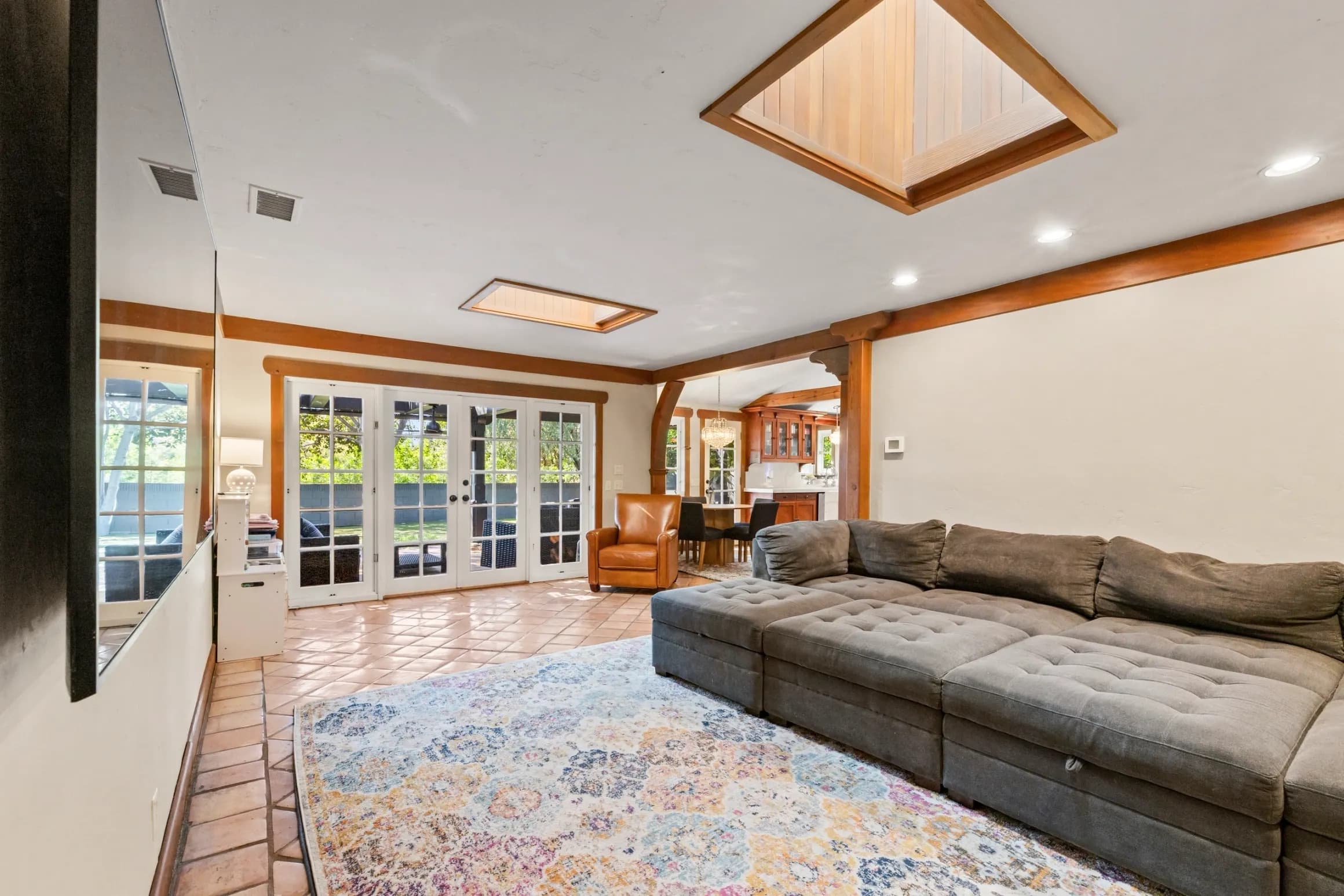
What draws a positive reaction is usually the same short list: a floor plan that flows rather than routing traffic through rooms, natural light in the places people spend the most time, a kitchen positioned to be part of the household rather than sealed off from it, bedroom placement that suits how a family or a couple actually lives, and a workable relationship between indoor space and outdoor space. Mid-century homes here often perform well on light and indoor-outdoor connection, and older homes near the center often perform well on character and proportion.
Conversely, added square footage in the wrong place can add less than its cost. An addition that darkens the original rooms, an oddly proportioned bonus space, or a bedroom count that outruns the bathroom count all add area while subtracting from how the house lives.
Lot size versus lot function
Parcel size has the same problem in a different form. What buyers respond to is usable outdoor space: reasonably level, private, oriented so it can be enjoyed, and shaped so it can be used for something.
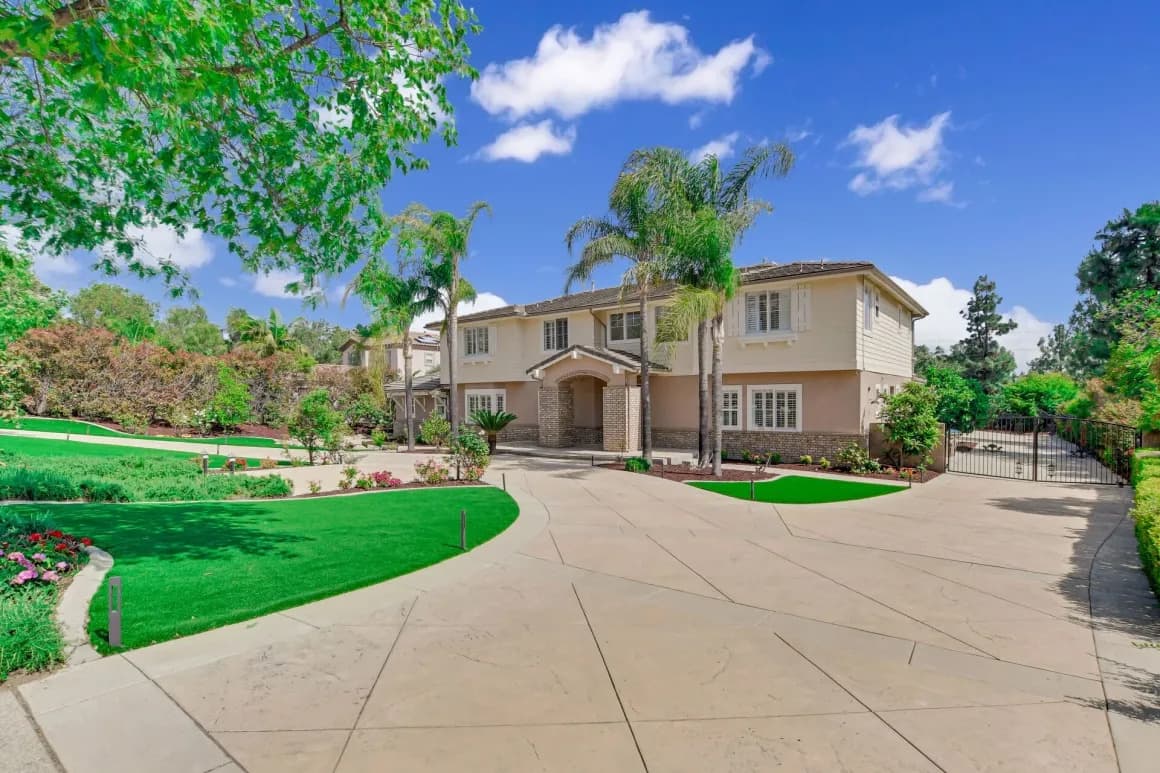
A large parcel that is mostly slope, mostly setback, or entirely shaded reads smaller than it measures. A modest lot that is level, private, and well oriented reads larger. On the hillside streets the trade is explicit, because elevation buys outlook and costs flat ground, and different buyers value that exchange very differently.
Lot function also carries an option value that is easy to overlook. A yard with room for future flexibility, an accessory dwelling unit, a workshop, a garden, a real play area, is holding possibilities that a fully committed yard is not. That is one reason siting decisions matter so much, as covered in corner lots and cul-de-sacs.
How to use the two numbers well
Use them as filters, not as valuation tools. They tell you which sales belong in the comparable set, because a genuinely comparable home should be broadly similar in both. Once the set is chosen, the differences that decide the outcome are layout, condition, light, siting, and lot function, and those are judgment applied to evidence.
Any actual figure has to come from that work. A comparative market analysis is a broker's opinion of value built from real sale records; an appraisal is a separate report by an independent, state-licensed appraiser; and the county assessor's figure is a third instrument, measured for taxation. When a number matters, get the right one from the right source.
To have your own property measured against its true competition rather than a ratio, start at the Claremont home values hub and read how a valuation is built. Call (909) 731-5374 when you want it done for your address. Anthony Grynchal has been licensed in California since November 2009.
Frequently asked questions
Can I value my Claremont home using price per square foot?
It is unreliable. The relationship between size and price is not linear, so a ratio from one house does not transfer to a different-sized house nearby, and the figure quietly absorbs condition, layout, siting and lot quality. Use size to choose comparable sales, then analyze the differences that actually separate them.
Does unpermitted living space count toward square footage?
Generally it is not counted as living area, and lenders and appraisers treat it differently from permitted space regardless of how it functions day to day. Establish the permit history of any converted or added space before listing rather than leaving it for a buyer's inspector to raise.
Is a bigger lot always worth more in Claremont?
Only if the extra ground is usable. Slope, setbacks, deep shade and awkward shape all reduce what a parcel actually delivers, while a modest lot that is level, private and well oriented can outperform a larger one. Buyers respond to usable outdoor space rather than to recorded parcel size.
Why do two similar-sized homes on the same street sell differently?
Because once space is adequate, buyers judge layout, light, condition and how the house meets its yard. An addition that darkens the original rooms, or a plan that routes traffic awkwardly, can add area without adding appeal. Those differences are exactly what a proper analysis accounts for.

Written by
Anthony Grynchal
Anthony Grynchal is a California real estate professional with eXp Realty, licensed since November 2009 (California DRE# 01873626), and the Designated Local Expert™ for Claremont — where he has lived for more than 33 years.
More about AnthonyPublished · Updated