It is the most common question a Claremont homeowner asks before selling, and it is usually asked in a form that cannot be answered: how much will a new kitchen add? The honest reply is that nobody can name a figure without seeing the house and the comparable sales, and that the question hides a more useful one underneath it.
Two different things a kitchen can buy
A kitchen remodel does two jobs, and they are frequently confused.
The first is MARKETABILITY. A kitchen that shows well brings more buyers through the door, keeps them in the house longer, and makes the property compete against the better listings in its range rather than the tired ones. That is real, and it affects how quickly a home sells and how many people are bidding.
The second is VALUATION CREDIT. That is a narrower thing. It asks whether the market, as evidenced by actual sales, has paid measurably more for otherwise similar homes with updated kitchens. Sometimes it clearly has. Sometimes the evidence is thin, because the paired sales that would prove it do not exist in a small market.
Both matter. They are not the same, and the distinction is the whole article.
Why there is no per-project number
National renovation return figures are averages across enormous, mixed markets. They are not measurements of Claremont, and applying one to a specific house on a specific block is a category error.
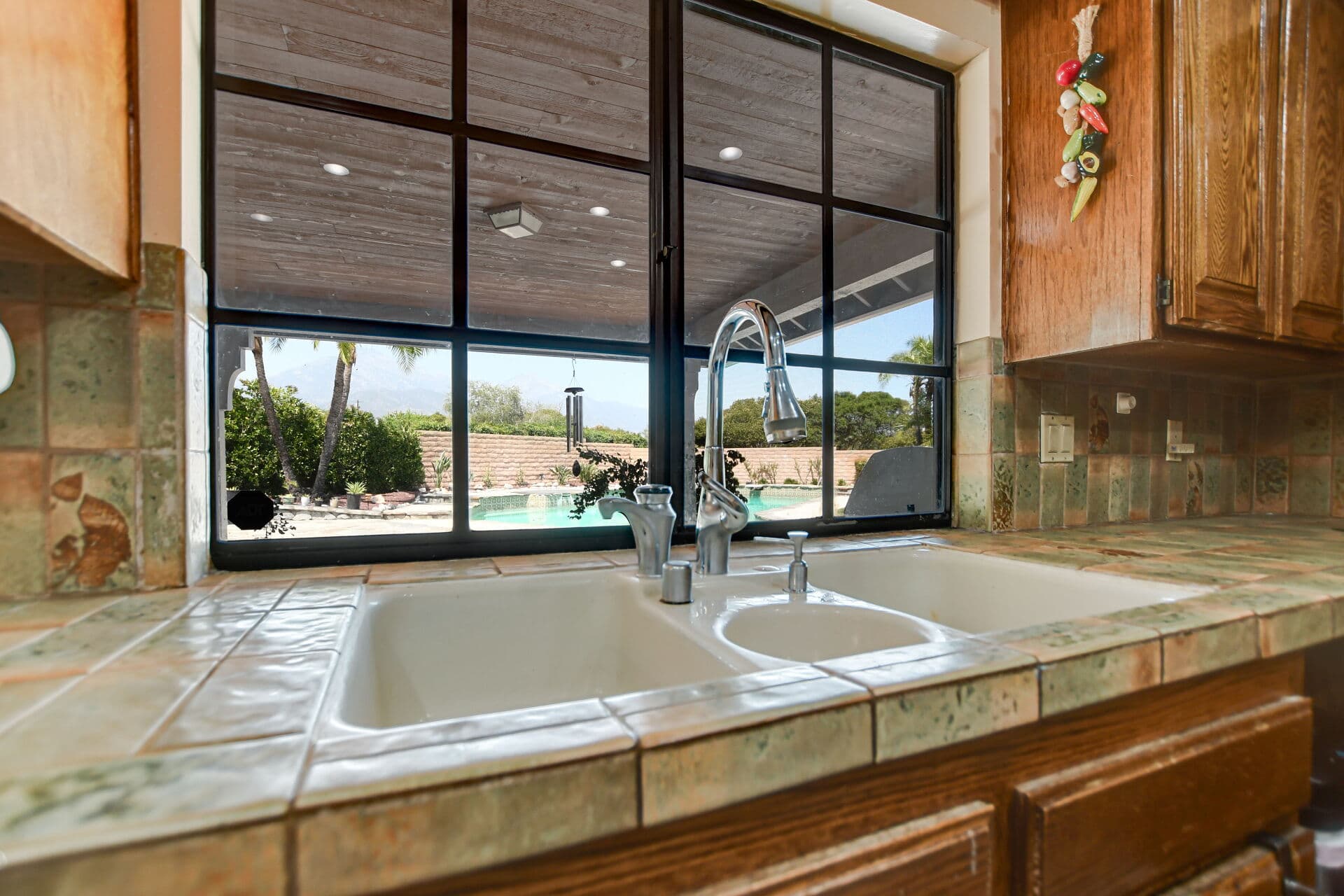
Locally, the credit depends on things that vary house to house. What the previous kitchen was. Whether the remodel corrected a functional problem or simply refreshed a working one. Whether the finish level matches the rest of the house or overshoots it. Whether comparable sales in the neighborhood have kitchens like this one at all.
That last point is the one people miss. A valuation reads what buyers HAVE paid. If nothing similar has sold nearby, there is no evidence to read, and the analysis has to say so rather than invent confidence.
Over-improvement is a genuine risk
There is a ceiling in every neighborhood, set by what buyers looking in that area are prepared to spend. Push a kitchen well past the level of everything else on the block and the money spent above that ceiling tends not to come back. Not because the kitchen is bad, but because the buyer who wants that kitchen is generally shopping for a house with the rest of it to match.
The reverse error is also common. A house with excellent systems, a good layout, and a kitchen that has not been touched in decades is often the one where the work does the most, because the kitchen is the single thing holding it back.
So the useful question is not what a kitchen adds. It is whether the kitchen is currently the weakest link in this particular house. If it is not, the money is better spent elsewhere.
How the credit is assessed in practice
The method is comparison, the same as everything else. Find sales of similar homes with updated kitchens and sales of similar homes without, and read the difference the market produced. Where those pairs exist, this is genuinely measurable. The discipline behind that selection and the corrections that follow is covered in how to read Claremont comps.
Where the pairs are thin, an honest analysis widens the search, states the weakness, and treats the result as an indication rather than a proof. A number presented with false precision is worse than a range presented honestly.
Permits and what they change
If the remodel moved plumbing, altered electrical, or changed walls, the permit record matters. Unpermitted work is not automatically discounted to nothing, but it introduces uncertainty about whether the work meets code and whether a future buyer or lender will accept it. That uncertainty tends to reduce what the market will pay.
Keep the paperwork. Permits, invoices, dates, and the contractor's name. Work that can be verified is credited more readily than work that has to be taken on trust. This is the same documentation habit that lowers a home's effective age, discussed in how a Claremont home valuation is built.
Cost is not value
This is worth stating flatly. What a project cost you and what it does to a valuation are two independent numbers, and they are frequently different in both directions.
A modest, well-judged update that resolves the one thing buyers reject can outperform its cost. A very expensive kitchen in a neighborhood that does not support it can underperform badly. The market does not reimburse effort; it prices outcomes.
Timing
Homeowners who remodel a kitchen and live with it for years get the use of it, which is often the better reason to do the work. Homeowners who remodel purely to sell are making a bet on a market they will not be in for long.
If the goal is the sale, the conversation should happen before the contractor is booked, not after. Getting a view on where the property currently sits against its likely comps is what tells you whether the kitchen is the right target. That is also the moment to think about whether it is time to get the home revalued.
What is not in the automated estimate
An online estimate does not know your kitchen. It may know a permit was pulled, if one was. It does not know the finish level, the layout, whether the work is done well, or how it compares to the kitchens in the houses that recently sold nearby.
On older Claremont stock, where individual homes have been altered on wildly different schedules, this is one of the larger blind spots in the automated approach.
Getting the answer for your house
The only way to know what a kitchen does or would do for your specific property is to look at the house and the current comparable sales together. Mr. Claremont prepares a comparative market analysis, a broker opinion of value, for owners weighing this decision, and coordinates an independent, state-licensed appraiser when a formal appraisal is what is required. County records on your property come from the Los Angeles County Assessor.
The rest of the series is on the Claremont home values hub, and the natural next read is deferred maintenance and Claremont home values, which covers the spending that usually should come first.
Anthony Grynchal has been licensed in California since November 2009.
Frequently asked questions
Will a kitchen remodel pay for itself when I sell?
Sometimes, and it depends entirely on the house, the neighborhood ceiling, and what the kitchen was before. Cost and value are separate numbers, and national average return figures are not measurements of this market.
Is a partial kitchen update ever better than a full one?
Often, particularly when the layout already works and the drawback is purely the finishes. The right scope depends on what is currently holding the property back relative to the homes it will be compared against.
Does unpermitted kitchen work hurt the valuation?
It introduces uncertainty about code compliance and about how a future buyer or lender will treat it, and that uncertainty tends to reduce what the market pays. Keeping permits and invoices makes the work easier to credit.
Should I remodel before listing or sell as is?
That decision should be made with a view of your likely comparable sales in hand, before any contractor is booked. In some cases the better return comes from systems work or from pricing the property honestly as it stands.

Written by
Anthony Grynchal
Anthony Grynchal is a California real estate professional with eXp Realty, licensed since November 2009 (California DRE# 01873626), and the Designated Local Expert™ for Claremont — where he has lived for more than 33 years.
More about AnthonyPublished · Updated