
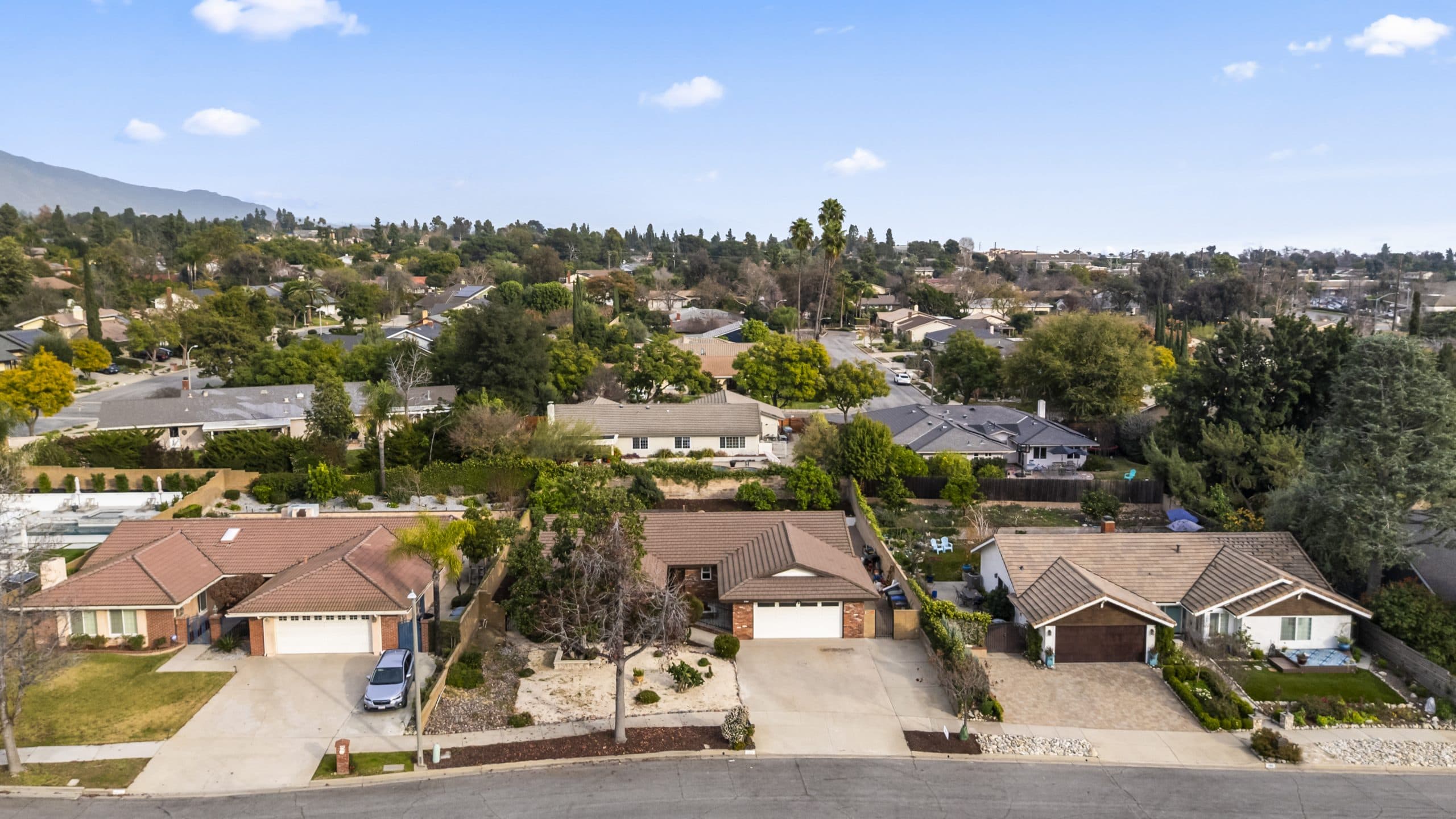
Of the strategies an investor can run in Claremont, buy-and-hold is the least exciting and the best matched to what this town actually is. A market with constrained supply, sustained demand, high owner tenure, and an anchoring institutional base is a poor environment for rapid turnover and a good one for patience — the returns come from time, leverage, amortisation, and tax treatment rather than from clever entries and exits. This article covers why the fit is good, what the strategy demands, and where it genuinely goes wrong. It deepens the investment playbooks guide; the operating reality of being a landlord is the rental handbook's subject, and the market-level thesis is the investor guide's, and the exchange machinery for trading up is the 1031 timeline guide's. No figures, yields, or projections appear here — those are property-specific and belong in an analysis with your own numbers, your accountant, and current listings.
Why the strategy fits this market
CONSTRAINED SUPPLY: Claremont is largely built out, and the scarcity guide explains what that does — new inventory arrives as infill rather than as subdivisions, so the existing stock is not easily diluted. DURABLE DEMAND DRIVERS: the Colleges, the school district, the walkable Village, and the canopy are not fashions, and they are the reasons households want to be here across decades rather than across a cycle. TENANT-BASE STABILITY: the mix the demand guide describes — academic households, faculty and staff, professionals, families — skews toward tenants who stay, and turnover is one of the largest real costs in rental ownership. AND THE TAX-AND-TIME MACHINERY that rewards holding: depreciation during ownership, the deferral tools the cluster's 1031 guide covers, and a stepped-up basis at death that makes multi-decade holds a genuinely different proposition from medium-term ones — all of which are your tax professional's territory and none of which should be assumed from an article. The counterpoint that makes this honest: a market that supports patient ownership is usually a market that does NOT support cheap entry. Claremont is not where an investor finds a bargain; it is where an investor buys quality and waits.
What the strategy actually demands
PATIENCE, AND THE BALANCE SHEET TO SUSTAIN IT. Buy-and-hold fails most often not because the thesis was wrong but because the owner was forced to sell at a bad moment — which makes reserves, conservative leverage, and honest debt-service capacity the actual risk controls. An investor who cannot carry a vacancy, a major repair, and a soft patch simultaneously is not running buy-and-hold; they are running a bet on continuous good weather. OPERATIONAL DISCIPLINE: the returns are eroded quietly by turnover, deferred maintenance, and bad tenancies far more than by market movements, which is why the boring parts — screening, documentation, preventive maintenance, prompt repairs — ARE the strategy. The maintenance guide's calendar applies with more force to a rental than to an owner-occupied home, because you are not there to notice. A LONG-HORIZON PROPERTY SELECTION: buy for what will still be true in twenty years — location, lot, floor plan, school area, walkability — rather than for finishes, which date. And on this housing stock specifically, buy the systems and the roof as carefully as the address; an older property with everything deferred is a decade of capital expenditure wearing a purchase price. AND A REALISTIC VIEW OF LIQUIDITY: real estate is slow to sell and expensive to transact, which is a feature for a patient owner and a serious constraint for anyone who might need the money.
The honest risks
CONCENTRATION: one property in one town in one state is not a diversified portfolio, however good the town. REGULATORY CHANGE: California's landlord-tenant framework evolves, and an investor whose model depends on a particular rule staying put is exposed — the standing advice throughout this cluster is to verify current law rather than to plan on remembered law. COST INFLATION ON THE OWNERSHIP SIDE: insurance in this state's hardened market, maintenance on older stock, and taxes all move, and they move whether or not rents do. INTEREST-RATE AND REFINANCE EXPOSURE where debt matures or adjusts. AND THE HUMAN RISK, which is underrated: buy-and-hold requires the owner to keep operating well for decades, through their own life changes — and plenty of holdings are sold not because the investment failed but because the owner tired of it, which is a legitimate outcome to plan for rather than to be surprised by. The composed guidance: buy-and-hold suits Claremont, and it suits investors who want a durable asset in a durable place and have the reserves and temperament to be undramatic about it for a long time. That is a genuine strategy and not a passive one. This is general information, not investment, legal, or tax advice; your own numbers and professionals govern.
Anthony Grynchal has been licensed in California since November 2009 and has watched a lot of Claremont holdings change hands; the ones that made their owners money were rarely the cleverest purchases — they were the ones nobody was forced to sell.
Frequently asked questions
Why does buy-and-hold suit Claremont?
Constrained supply in a largely built-out town, demand drivers that are structural rather than fashionable (the Colleges, the district, the walkable Village, the canopy), a tenant base that skews toward staying — turnover being one of the largest real costs — and tax machinery that rewards long holds. It suits patience, not cheap entry.
What makes buy-and-hold fail?
Usually not a wrong thesis but a forced sale at a bad moment, which makes reserves, conservative leverage, and honest debt-service capacity the real risk controls. After that, quiet erosion: turnover, deferred maintenance, and bad tenancies cost more than market movements do.
What should I look for in a long-hold property?
What will still be true in twenty years — location, lot, floor plan, school area, walkability — rather than finishes, which date. On Claremont's older stock, buy the systems and the roof as carefully as the address; a property with everything deferred is a decade of capital expenditure wearing a purchase price.
What are the main risks of holding long term?
Concentration in one property and one market; regulatory change in California's evolving landlord-tenant framework; cost inflation on insurance, maintenance, and taxes regardless of rents; refinance exposure where debt matures; and the human risk — owners tiring of operating well for decades, which is worth planning for rather than being surprised by.

Written by
Anthony Grynchal
Anthony Grynchal is a California real estate professional with eXp Realty, licensed since November 2009 (California DRE# 01873626), and the Designated Local Expert™ for Claremont — where he has lived for more than 33 years.
More about AnthonyPublished · Updated