Every place asks something in return. The brochures never say what, which is why the second year of ownership is where people find out.
Here is the honest list for Claremont, framed the way it actually shows up: in the house, in the lot, and in the week. None of these is a reason not to buy. All of them are cheaper to know about in advance.
The houses are old, and old has a bill
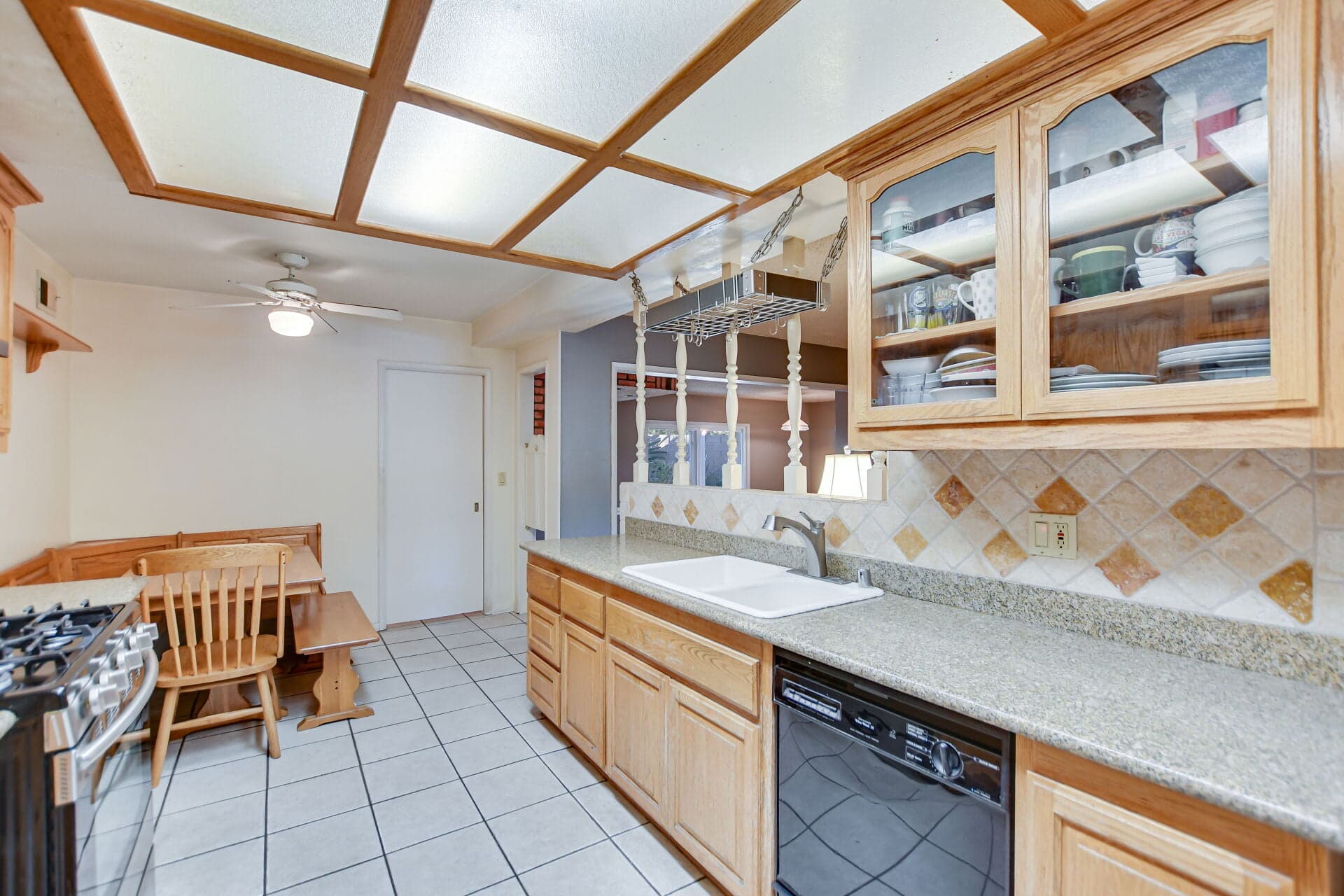
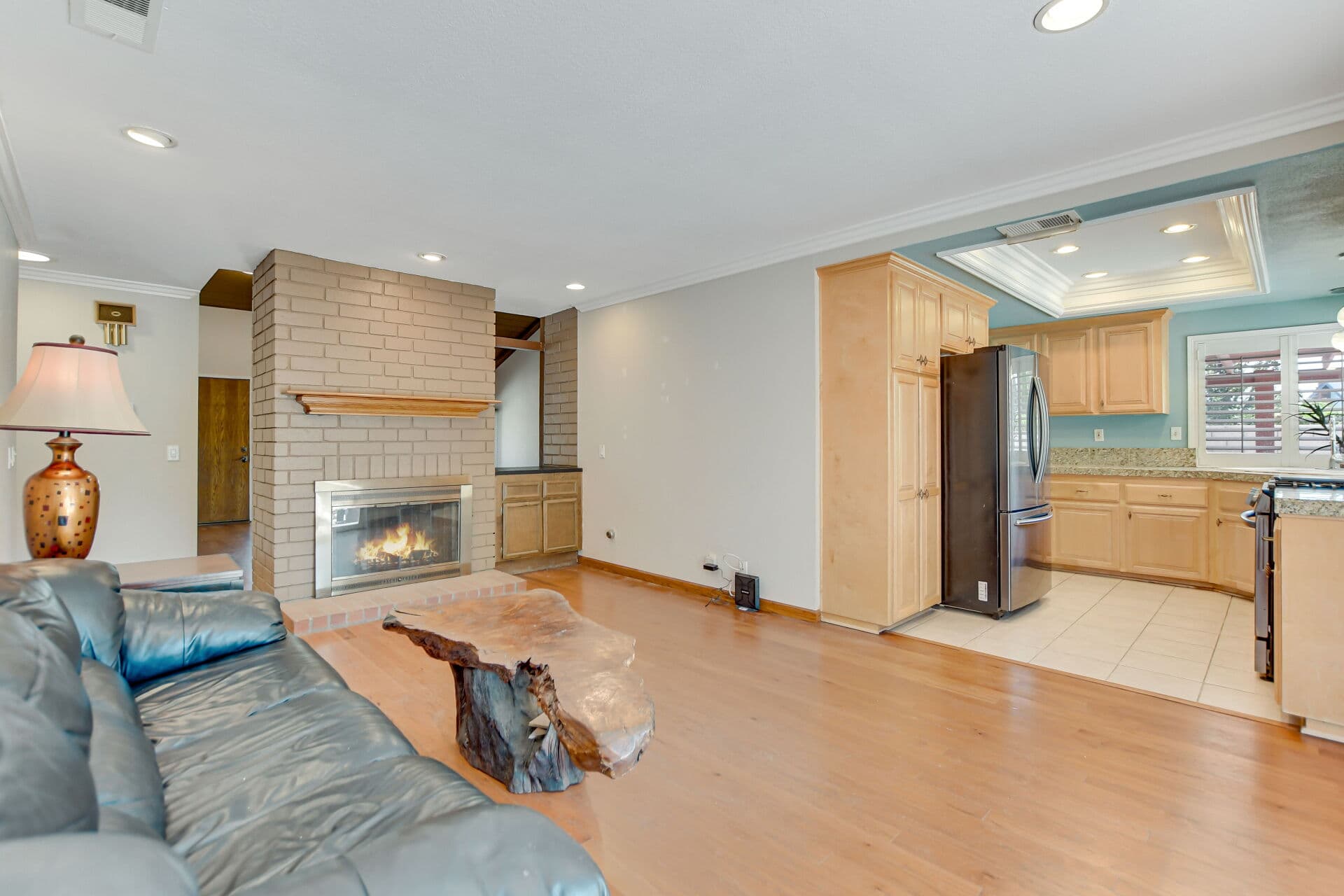
A large share of the appealing housing stock here predates modern construction, and that is precisely why it looks the way it does. It also means smaller closets, narrower doorways, single-pane glass, fewer outlets, kitchens sized for one cook, and systems that were retrofitted rather than designed in.
The consequences show up as a set of ongoing small negotiations rather than one big problem. Storage has to be invented, which the storage guide covers. Furniture has to fit through openings that were sized for other furniture. Cooking happens in a room that was never meant to hold four people.
The trade is real in both directions. What you get is proportion, materials, a street of houses that relate to each other, and a canopy that took a century. What you accept is that the house will never be as frictionless as a new one.
Summer is long and afternoons are hot
The climate is genuinely pleasant for most of the year and genuinely demanding in the middle of a summer afternoon. In an older house without modern insulation, that means the day has a shape: the house is comfortable in the morning, works hard in the afternoon, and recovers at night.
Households adapt rather than fight it. Cooking early or outside. Closing the house up during the hot hours and opening it after dark. Doing the outdoor half of life in the morning and the evening. That rhythm is the subject of the cooling guide, and the mornings themselves are covered in the morning guide.
Related and separate: there are days when the air is not good, and there are windy nights that leave work in the yard. Neither is constant, both are seasonal, and the inversion guide and the wind-season guide take them one at a time.
The lot asks for time
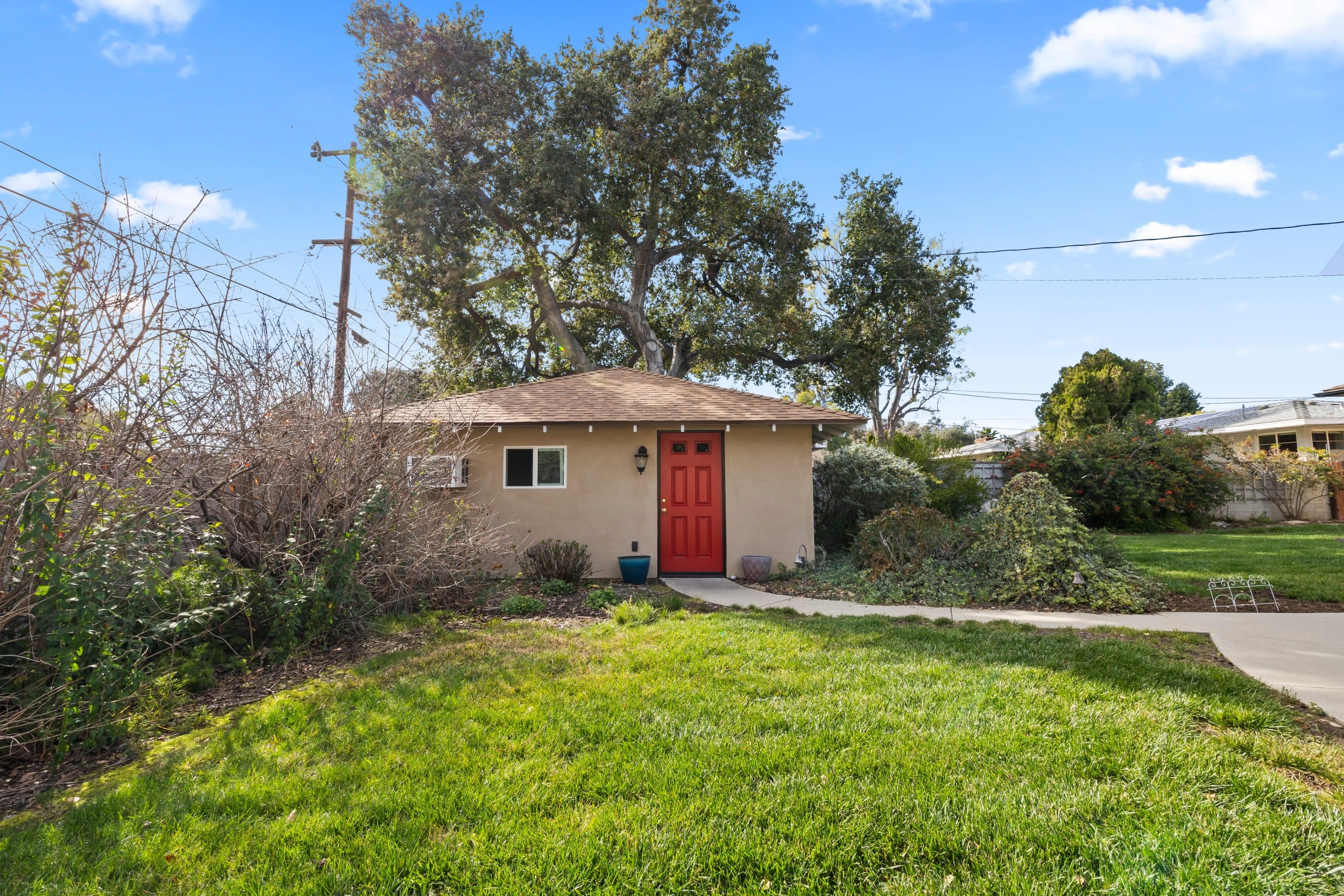
A mature lot is not low maintenance, and a canopy that shades a house also drops a great deal onto it. Leaves, seed, sap, limbs after a blow, and a green waste container that fills faster than a new owner expects.
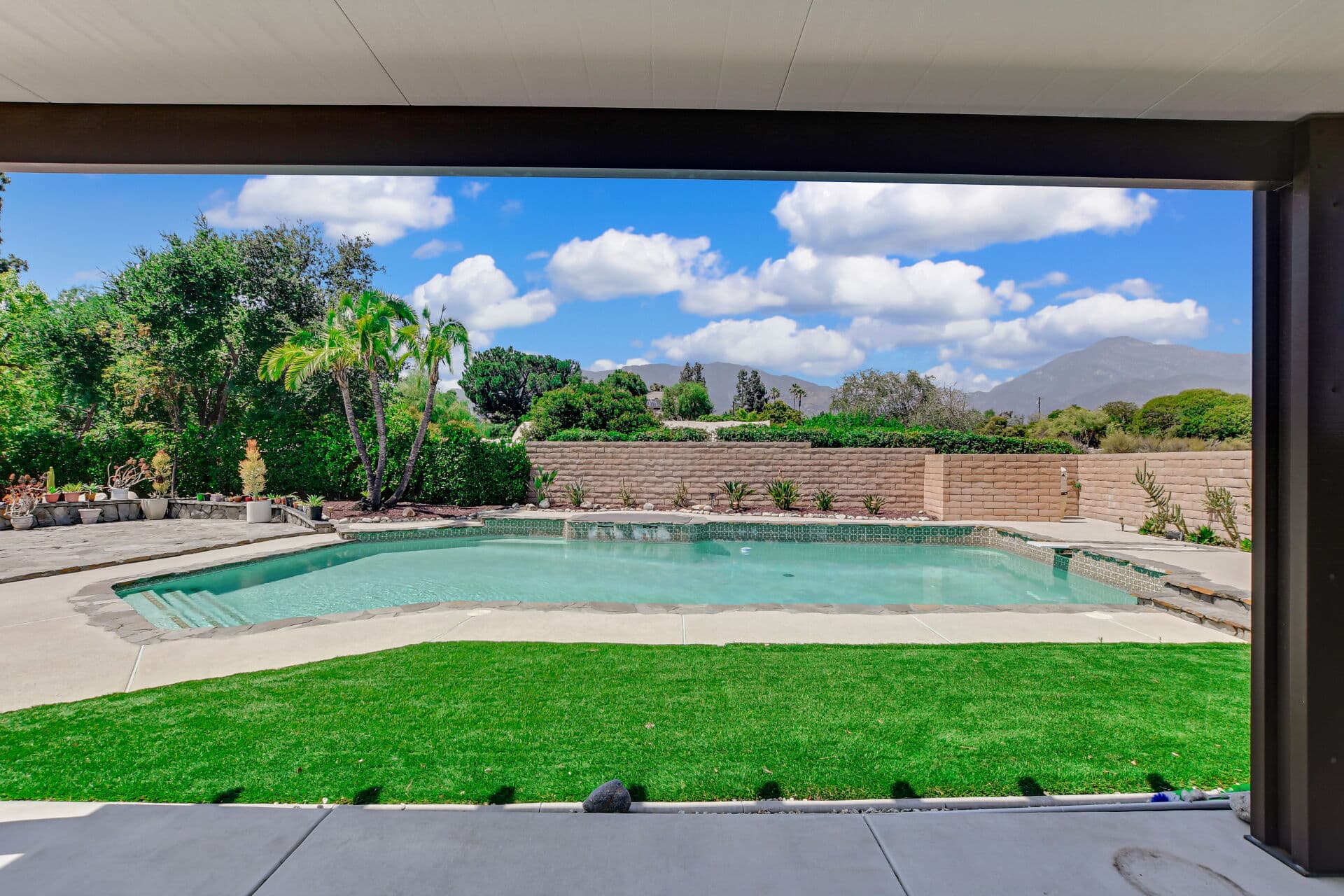
Add irrigation constraints, which are real and which shape what can sensibly be planted, and the honest number of hours a Claremont lot wants per month is higher than most buyers assume. The yard-calendar guide sets out the rhythm, and the water-rules guide covers the constraints.
The alternative is to pay someone, which is a legitimate answer as long as it goes into the budget rather than the assumptions.
Some things still require a drive
The walkable core is genuinely walkable, and that is the town's best trick. It is also finite.
Specialist appointments, particular kinds of shopping, an airport, and a job in another county are all car trips, and some of them are long ones on a congested corridor. A household that arrives expecting to shed both vehicles usually keeps one, and the reason is the errand mix rather than any failing of the town. The walkability guide is the honest map of the boundary, and the commuting version is its own arithmetic.
It is quiet, and quiet is a preference
The pace here is slower than in the places many people move from, and evenings are not busy in the way a larger city's are. For a great many households that is the entire point.
For some it is an adjustment that takes a year, and the honest version is worth saying: if the appeal of a place is that it is always open and something is always happening, this is not that place, and no house on any block here will change it. The two-speed structure of the week is covered in the weekday-versus-weekend guide.
Privacy is relative
Lots are close together in the older neighborhoods, houses were built before anyone assumed air conditioning, and the ambient sound floor is low. All three mean you hear your neighbors and they hear you.
The good version of that is a street where people know each other and things get noticed. The cost is that a small lot needs deliberate work to feel private, which is the whole subject of the privacy guide.
How to use this list
Not as a warning. As a filter.
Go through it and mark which items you would genuinely mind. If the answer is the old-house friction, look harder at newer stock or budget for the work. If it is the yard, weight lot size and planting differently. If it is the driving, weight location above square footage. If it is the pace, that one is not a house problem and it deserves an honest conversation before an offer rather than after.
The households that are happiest here are not the ones who found a place with no trade-offs. They are the ones who knew which trade they were making.
Where to go next
The full set is indexed at the lifestyle guide. The natural next read is the first-year guide, which is this same list seen from the other side, after somebody has lived it. For which of these matter at a specific address, that is a conversation. Anthony Grynchal has been licensed in California since November 2009.
Frequently asked questions
What is the main trade-off of Claremont's older housing stock?
Friction in exchange for character. Smaller closets, narrower doorways, single-pane glass, fewer outlets, and kitchens sized for one cook are the cost of proportion, materials, coherent streets, and a mature canopy. The issues show up as ongoing small negotiations rather than one large defect.
How demanding is a Claremont lot to maintain?
More demanding than most buyers assume. A mature canopy drops leaves, seed, sap, and limbs after windy nights, and green waste fills faster than expected. Irrigation constraints also shape what can sensibly be planted. Paying someone is a fine answer as long as it is in the budget.
Can you really live in Claremont without a car?
The walkable core covers a genuine share of routine errands, but specialist appointments, certain shopping, an airport trip, and a job in another county are still drives. Most households that arrive planning to shed both vehicles keep one, because of the errand mix rather than any failing of the town.
Who finds the pace here an adjustment?
Anyone whose picture of a good evening depends on somewhere always being open and something always happening. The pace is slower than in many places people move from, which is the appeal for most households and a genuine adjustment for some. No particular house or block changes it.

Written by
Anthony Grynchal
Anthony Grynchal is a California real estate professional with eXp Realty, licensed since November 2009 (California DRE# 01873626), and the Designated Local Expert™ for Claremont — where he has lived for more than 33 years.
More about AnthonyPublished · Updated