
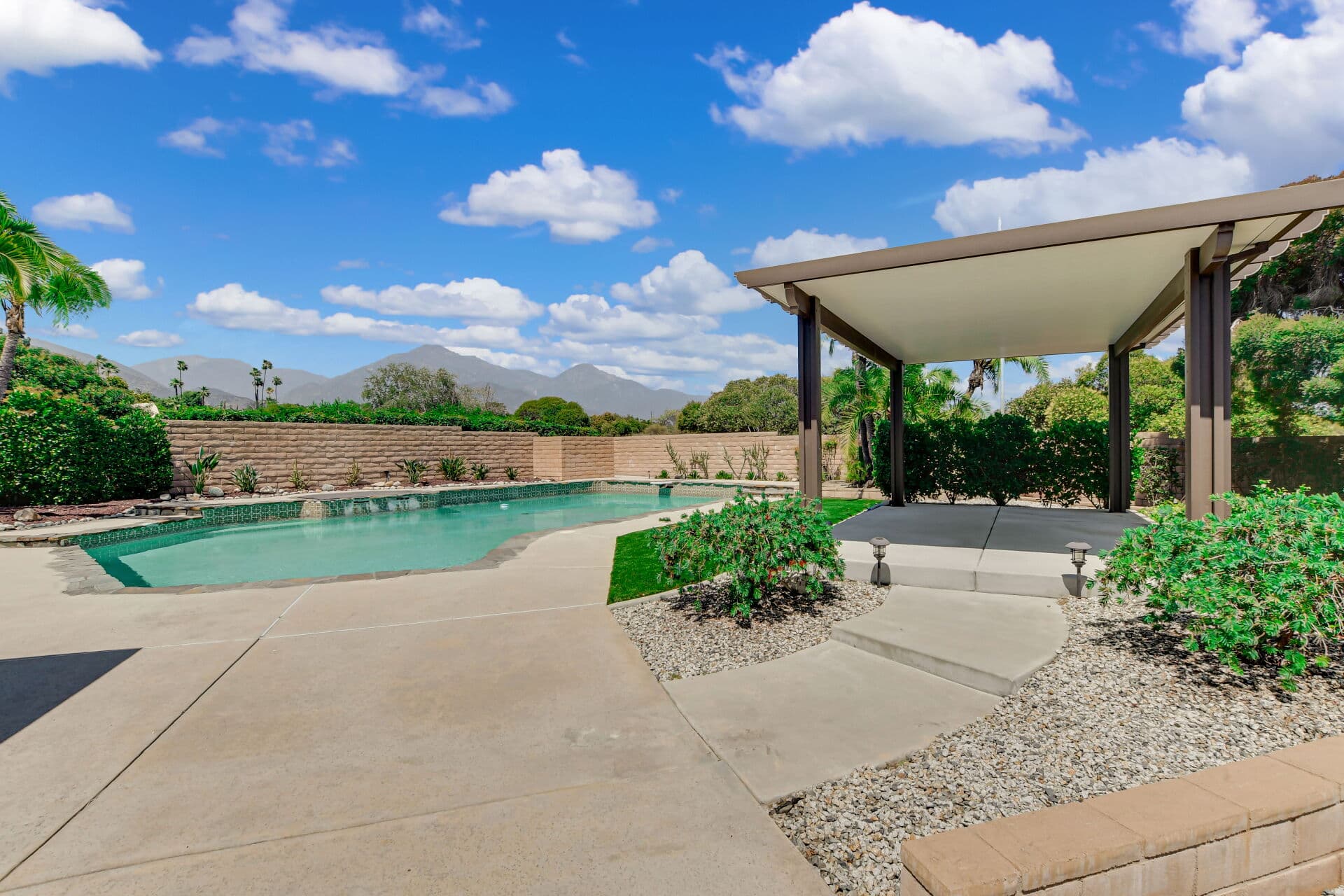
Claremont takes its dirt seriously. Spend a season here and the pattern becomes obvious: front yards planted rather than paved, citrus in half the back gardens, natives spreading down whole blocks as neighbors copy one another, and conversations about water that would read as eccentric almost anywhere else. The town's gardening habit is not a hobby demographic. It is a consequence of climate, institutions, and lot sizes, and it shows up in the housing market as an entire category of value that buyers routinely misjudge in both directions. This guide covers why the town gardens, what it actually grows, and how to read a yard when you are buying the house attached to it. It deepens the lifestyle guide; the trees-and-PhDs identity behind it is the identity guide's subject, and whether the whole arrangement suits you is the fit guide's.
Why this town gardens
Start with CLIMATE: a Mediterranean regime of wet winters and long dry summers, which is a gardener's puzzle rather than a gardener's paradise — plenty grows here, but only for people who plant on the calendar the region actually keeps rather than the one printed on the seed packet. Add INSTITUTIONS: the region's great native-plant garden sits inside the city limits and functions as a permanent teaching resource for anyone willing to walk it in different seasons, which the botanic garden guide covers in full. Add LOTS: much of Claremont's older stock sits on generous parcels with room for real planting, and the postwar tracts came with yards designed to be used. Add CANOPY: a town that fought to keep its street trees breeds households that think in decades about plants. Add MICROCLIMATE, the local wrinkle that catches transplants: the northern end sits higher and runs colder on winter nights than the southern end, the canopy turns lots that read as full sun on a map into shade gardens, and which way a slope faces decides what survives an August afternoon. And add NEIGHBORS, because gardening is the most visible hobby there is, and a block where three houses convert to natives tends to convert a fourth. The result is a town where landscape competence is unusually common and unusually contagious.
What Claremont gardeners actually grow
Broad strokes, because the specifics belong to your own soil and exposure. CALIFORNIA NATIVES have become the town's signature move — sages, ceanothus, buckwheat, toyon, oaks — planted because they are beautiful in the right season, honest about water, and habitat for everything with wings. The catch newcomers learn the hard way is that a native garden runs on a REVERSED calendar: green and blooming through the cool wet months, dormant and silver through the summer, which requires either recalibrated eyes or an unhappy relationship with the hose. CITRUS is the heritage crop, a living remnant of the groves that built this valley, and mature trees on old lots are genuinely valuable. VEGETABLE gardening is widespread and rewards the cool season far more than arrivals from colder climates expect. And SHADE gardening thrives under the canopy, where mature street trees create conditions little else in the region offers. ROSES and the ornamental traditions that arrived with the town's older houses persist as well, frequently sharing a yard with natives, which is the honest picture of how most Claremont gardens actually look — a negotiated truce between the plants a household inherited and the ones it chose. The unifying thread is water discipline: the drought years reset what this town considers a good-looking front yard, and the aesthetic that emerged — textured, layered, unapologetically dry — is now the default rather than the sacrifice. The drought-smart landscaping guide is the practical version of exactly that shift.
The garden as part of the house you buy
A yard is not decoration. It is a system with a maintenance bill, an irrigation history, and a set of liabilities. MATURE TREES are the largest single item and they cut both ways: irreplaceable, genuinely valuable, and also capable of dropping limbs on a roof, lifting hardscape, and sending roots toward a sewer lateral — which is why the canopy guide belongs to any purchase with big trees on it. IRRIGATION deserves a look before you close: what kind of system, how old, whether it was ever converted for drip, and whether it runs at all. LAWN OR NOT is a budget decision as much as a taste one, and converting is a project rather than a weekend. SOIL AND GRADE matter more on the northern slopes, where drainage is a real subject. RULES apply as well, because this town protects its trees — what may be removed, heavily pruned, or replaced can require city review rather than an owner's judgment, so verify the current ordinance before planning around taking anything down, and read any recorded association rules covering landscape and front-yard appearance. And PERMANENCE cuts against enthusiasm: hardscape, established planting, and buried irrigation are expensive to undo, so a garden you dislike is a cost rather than a blank page. Ask what the current owner watered, when, and how much of the planting is established. On value, be realistic — a beautiful garden helps a home show and helps it sell, but landscaping is not treated the way finished square footage is in an opinion of value, which the appraisals cluster explains at length. Buy the garden because you want to garden.
Anthony Grynchal has been licensed in California since November 2009, and can usually tell which listing photographs were taken during a native garden's good month. This is general information; planting decisions belong to your own site, and the town's own institutions are the better teachers.
Frequently asked questions
What grows well in Claremont?
California natives have become the signature choice — sages, ceanothus, buckwheat, toyon and oaks — alongside the citrus that is the valley's heritage crop. Vegetable gardening rewards the cool wet season more than newcomers expect, and shade planting thrives under the mature street canopy. Your own soil and exposure decide the details.
Why do native gardens look dormant in summer?
Because they run on California's calendar rather than a nursery's. Natives wake with the winter rains, peak in spring, and go silver and sculptural through the dry months, so that summer quiet is health rather than neglect. The adjustment is mostly a matter of recalibrated eyes rather than more water on the hose.
What should a buyer inspect about a yard?
The irrigation system and its age, the condition and proximity of mature trees, drainage and grade on sloped lots, and how much of the hardscape is permanent. Established planting and buried irrigation are expensive to undo, so a landscape you dislike is a real cost rather than a blank page waiting for your ideas.
Does landscaping add value to a Claremont home?
It helps a home show and helps it sell, and mature trees carry genuine value of their own. But landscaping is not treated the way finished square footage is in an opinion of value, so buy a garden because you want to garden rather than as an investment thesis. Appraisal treatment is its own subject entirely.

Written by
Anthony Grynchal
Anthony Grynchal is a California real estate professional with eXp Realty, licensed since November 2009 (California DRE# 01873626), and the Designated Local Expert™ for Claremont — where he has lived for more than 33 years.
More about AnthonyPublished · Updated