In a town with this much art in it, a surprising number of buyers arrive without ever asking the one question their work depends on: where, in this house, does the making happen?
It is not a small question. A studio is not a hobby room. It has requirements — light, ventilation, a floor you can ruin, a door wide enough for the work to leave through — and a house either has them or it does not. Retrofitting them is possible and rarely cheap. This is a guide to reading Claremont's housing stock for making space, and to the trade-offs each option quietly imposes.
The five candidates
Almost every studio in this town is one of five things, and each fails in a characteristic way.
THE DETACHED GARAGE is the classic answer and the best one on most blocks. Older Claremont properties frequently put the garage at the back of a deep lot, off an alley or a long driveway, which gives you separation, a concrete floor, a big door, and neighbors who are not sharing a wall with your compressor. What it usually lacks is insulation, decent electrical service, and any heating or cooling at all — which in an inland valley means the space is genuinely uncomfortable at both ends of the year until you spend money on it.
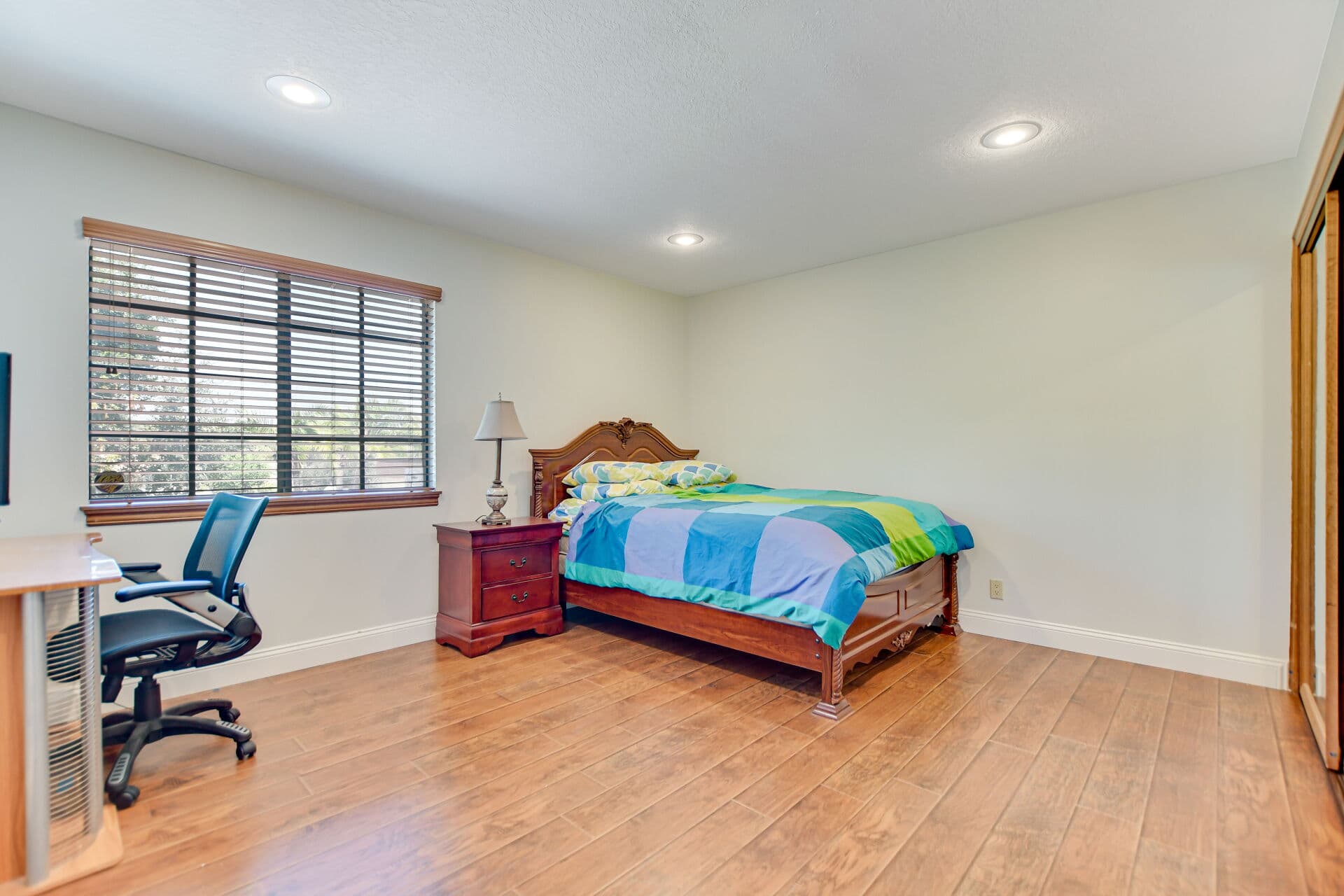
THE SPARE BEDROOM is the cheapest and most compromised. Fine for drawing, writing, small textile work, and anything else that is quiet and dry. Bad for solvents, dust, and noise, because bedrooms are in the middle of the house and share air with everything else.
THE CONVERTED PORCH OR SUNROOM is the one people fall in love with at an open house, and for good reason: glass on multiple sides is exactly what a painter wants. The catch is thermal. A glazed room on the west side of a house in this climate is an oven from midafternoon onward, so orientation is not a detail here, it is the entire decision.
THE BASEMENT is largely a fiction locally. Assume you do not have one.
THE PURPOSE-BUILT OUTBUILDING is the strongest outcome and the most regulated. Anything you add in the back yard runs into setbacks, lot coverage, height limits, and the question of whether what you are describing is a shed, a studio, or an accessory dwelling unit under current rules — and those categories carry very different requirements. Do not guess at any of it. Confirm with the city before you plan around a structure.
North light, and the rest of the myth
Artists inherit a rule about north-facing windows, and the reason behind it is sound: north light in this hemisphere does not carry direct sun, so it stays consistent through the day and does not swing your color judgment around from morning to afternoon. If you paint, a north exposure in the working room is worth real money to you and worth nothing to the next buyer, which is a useful asymmetry.
Everything else about light is more mundane and matters more often. Ceiling height, because tall work needs room to stand back from. The number of walls without a window or a door in them, because most makers need wall more than they need glass. And electrical capacity, since kilns, compressors, and serious lighting are all questions for a panel, not for an extension cord. On older houses this is the constraint that surprises people — the shelving and old-wall guide runs into the same era of construction from a different direction.
The neighbor problem, honestly
Studio work makes noise, smells, dust, and traffic, in some combination. On a Claremont block, where houses sit close and people are outdoors a great deal, that is a real consideration and not a paranoid one.
The practical rules are boring and effective. Put the loud work in the detached structure if you have one. Do the loudest of it in the middle of the day rather than early or late, which is the same courtesy the neighborhood extends in the other direction. Ventilate anything with a smell to the outside and away from the nearest window that is not yours. And tell people what you are doing before they have to guess, because a neighbor who knows you throw pots is a neighbor with an explanation instead of a complaint.
If your work brings clients, students, or pickups to the house, that is a different category again, with its own parking and permitting questions. Confirm what a home occupation allows in Claremont before you build a practice around a garage.
Reading a listing for making space
A short checklist, in the order that saves the most time. Is there a DETACHED structure, and is it wired? What is the DOOR width on the path from the working space to the street, because the largest thing you will ever make has to fit through it. Which way does the glazing FACE. Is there a HOSE and a drain near the space, since almost every medium needs water eventually. How far is the nearest NEIGHBOR window from where the loud work will be. And what is the panel capacity, which you should have an electrician answer rather than a listing.
Then the softer question. Making things at home is a lifestyle with a footprint, and it interacts with everything else the house does — the storage, the hosting, the way a household spreads out on a weekend. The broader version of that trade sits in the third-place guide, which asks how much of your life happens outside the walls at all.
Where to go next
Start with the lifestyle guide for how daily life here shapes housing decisions, and read the garden guide next if your back yard is going to have to be both a studio approach and a growing space, because those two ambitions compete for the same ground. Anthony Grynchal has been licensed in California since November 2009.
Frequently asked questions
What makes the best home studio in a Claremont house?
Usually a detached garage at the back of a deep lot. It gives separation from the house, a concrete floor, a wide door, and distance from neighboring windows. The common shortfalls are insulation, climate control, and electrical capacity, all of which cost money to correct but are correctable.
Does a north-facing window really matter for a studio?
For painting and color work, yes. North light carries no direct sun in this hemisphere, so it stays consistent through the day instead of shifting your color judgment from morning to afternoon. For most other making, ceiling height, uninterrupted wall space, and electrical capacity matter more than the compass direction.
Can I build a studio structure in a Claremont back yard?
Sometimes, and the details decide it. Setbacks, lot coverage, height limits, and whether the structure reads as a shed, a studio, or an accessory dwelling unit under current rules all apply, and those categories carry different requirements. Confirm with the city before you plan around a new building.
How do I keep studio work from becoming a neighbor problem?
Put loud work in a detached space, keep the loudest of it to the middle of the day, ventilate odors away from the nearest window that is not yours, and tell your neighbors what you do before they have to guess. If clients or students come to the house, check what a home occupation permits first.

Written by
Anthony Grynchal
Anthony Grynchal is a California real estate professional with eXp Realty, licensed since November 2009 (California DRE# 01873626), and the Designated Local Expert™ for Claremont — where he has lived for more than 33 years.
More about AnthonyPublished · Updated