A workout routine takes up space, and the space it takes is one of the least-discussed variables in a house hunt. It should not be. A routine that fails because there is nowhere to do it is a real cost, and it is entirely predictable at the walkthrough.
Claremont makes part of this easy and part of it hard. The easy part is that a great deal of exercise here happens outside the house, on foot or on a bike, and the town is unusually good for it. The hard part is that the housing stock is old enough that indoor space for this was never a design consideration.
Start with what happens outdoors
For a large share of local households the answer is the street and the trail, and the address decides how well that works.
A walking or running loop from the front door needs sidewalks, shade, and crossings you do not have to negotiate. Claremont's older grid supplies all three inside a certain radius and much less reliably outside it. Shade in particular is not decoration in an inland valley — it is what determines whether a summer routine survives past July, which is the same seasonal squeeze the walkability guide documents for errands.
Cycling is its own subject and covered properly in the biking guide; the housing consequence is simply storage, since a bike that lives somewhere awkward is a bike that gets ridden less.
The critical question at an address is TIME OF DAY. If your only available window is midday in the warm months, an outdoor-first plan will fail here regardless of how good the streets are, and you need an indoor answer. If your window is early morning or evening, the outdoor answer is genuinely excellent and you may need almost no indoor space at all.
The indoor candidates, ranked
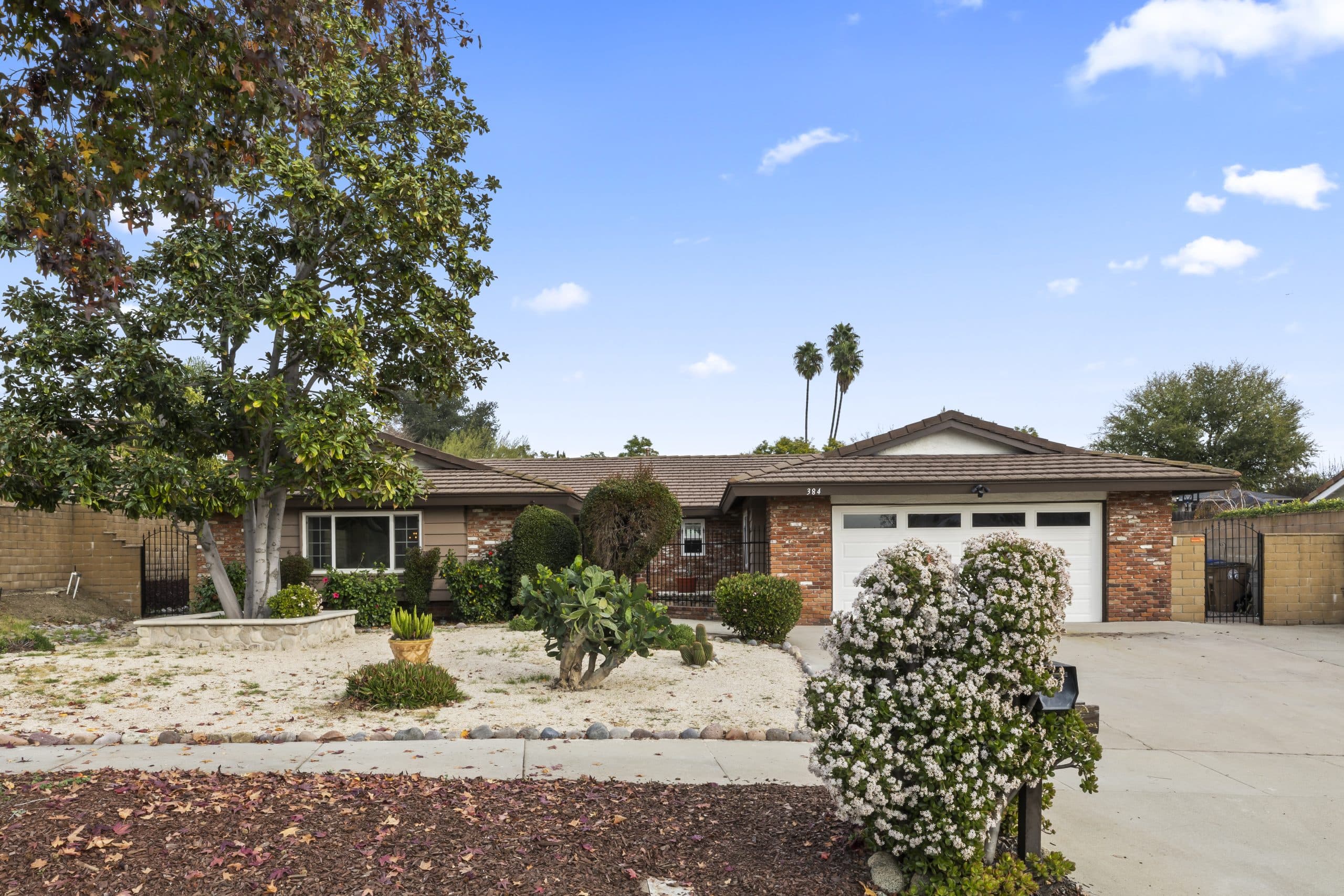
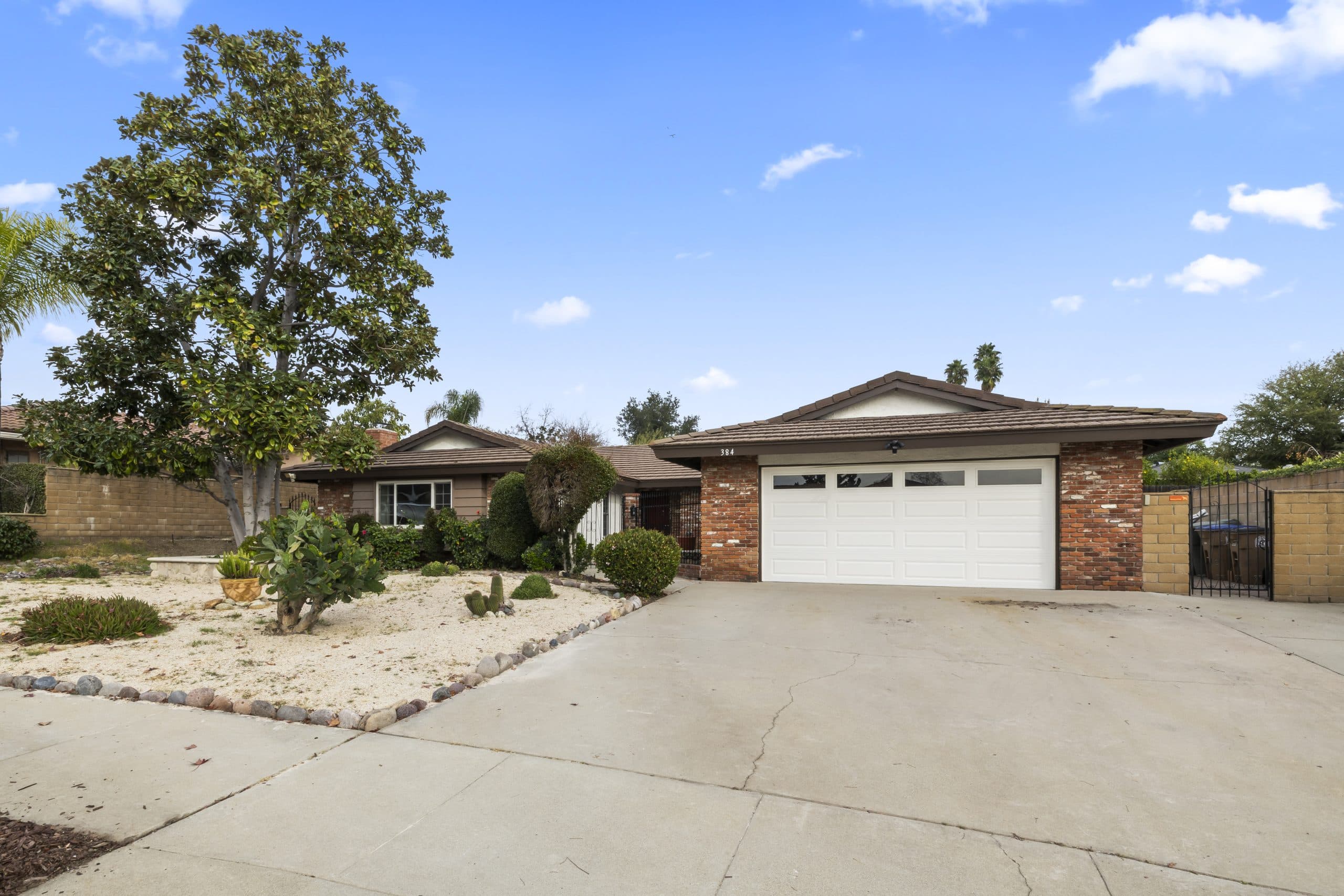
THE GARAGE is the workhorse. Concrete floor, high ceiling in many older detached structures, a big door that opens for air, and enough distance from the house that noise is somebody else's problem — usually nobody's. The drawbacks are the same ones every garage project runs into locally: no insulation, no climate control, and electrical service that was sized for a light bulb and a door opener. In this climate an uninsulated garage is unusable at both ends of the year until that is addressed, which is the identical constraint the studio-space guide works through for a different use.
THE SPARE ROOM is the most common and the most compromised. Ceiling height is the constraint people forget: anything overhead, from a pull-up bar to a press to simply raising your arms, needs headroom that a modest older bedroom may not have. Floors are the second constraint, especially on a raised foundation where a dropped weight travels through the whole house.
THE COVERED OUTDOOR SPACE is underrated here and suits the climate. A deep porch, a covered patio, or a shaded side yard works for most bodyweight and mat-based routines for the majority of the year, and it costs nothing to build if the house already has it.
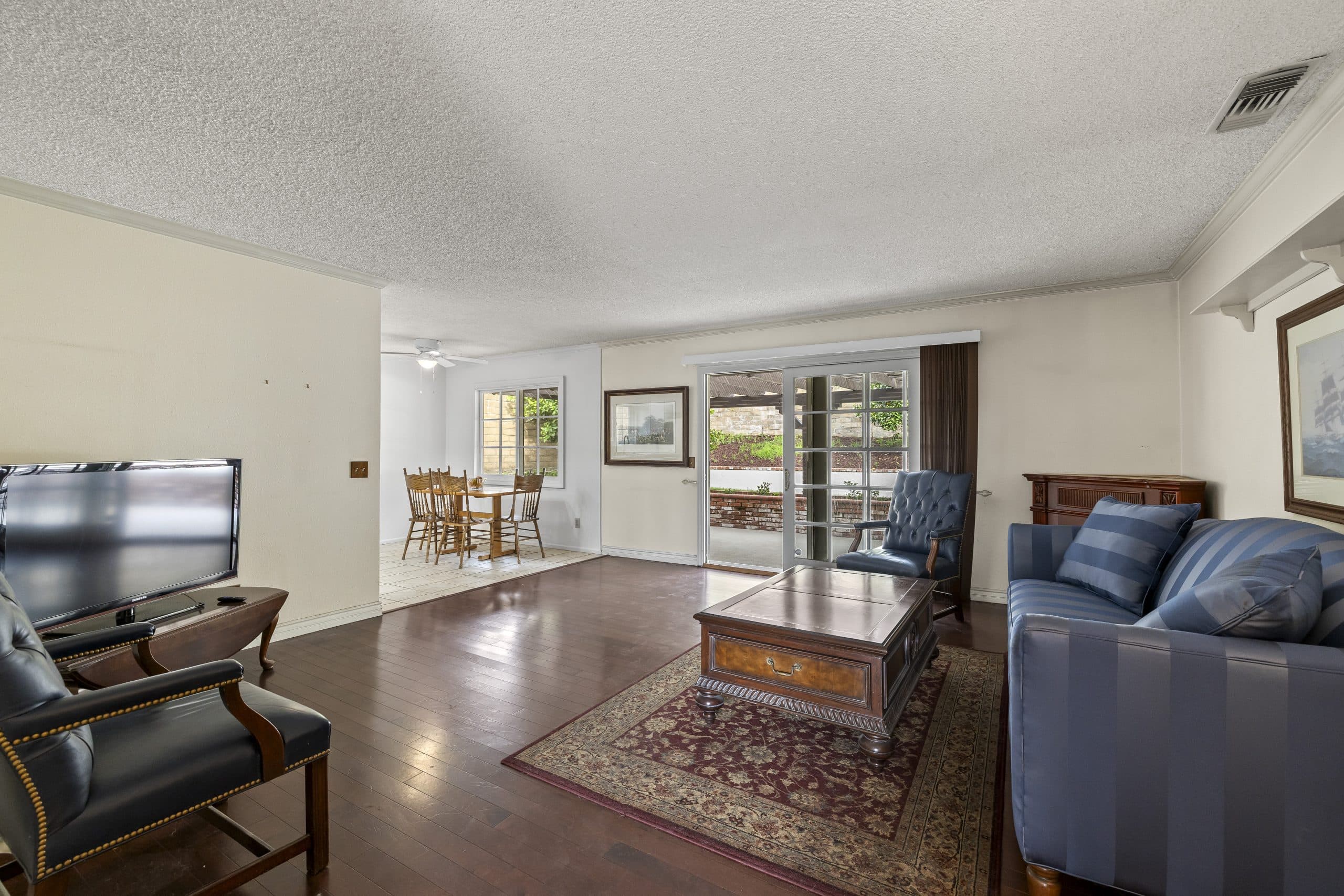
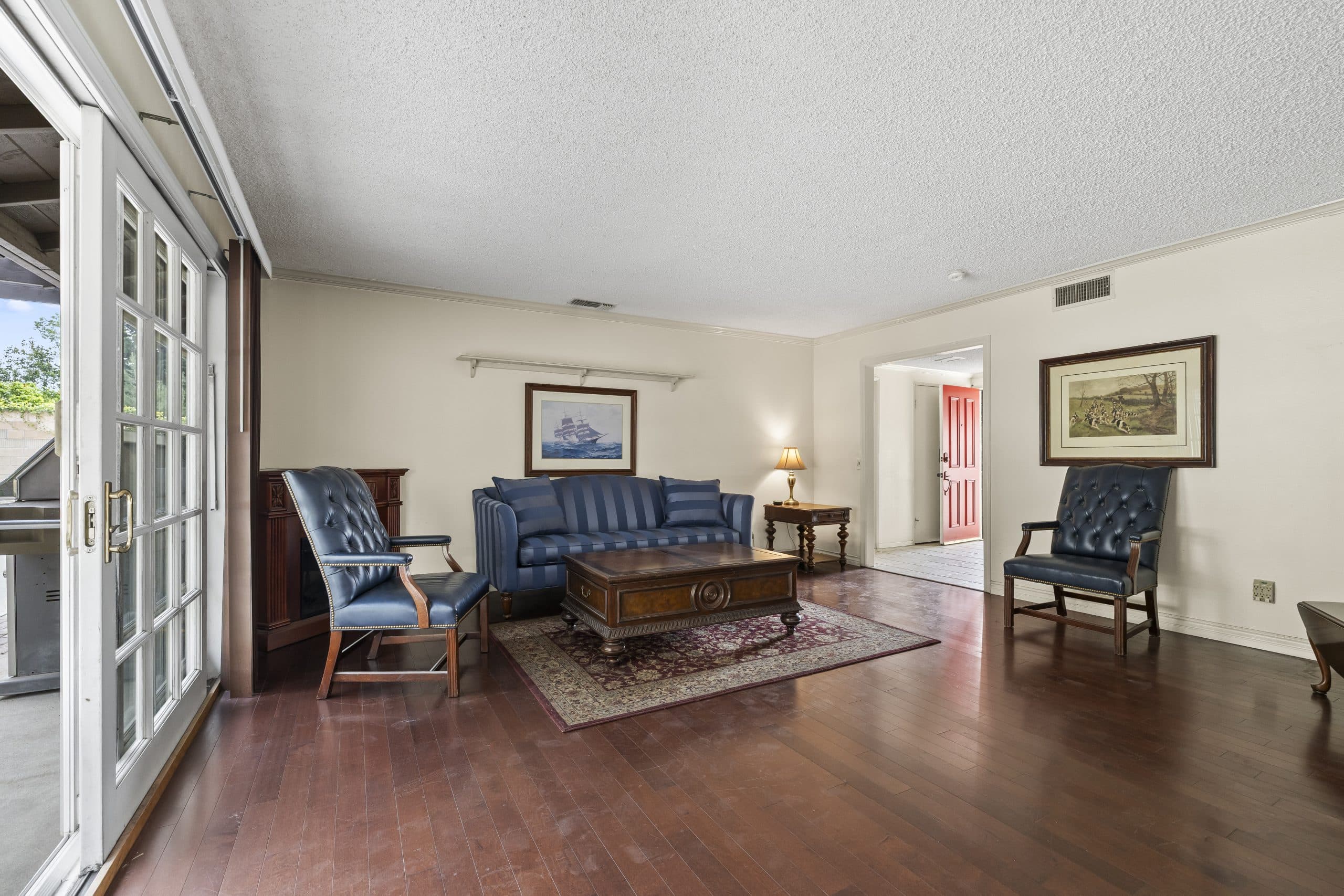
THE LIVING ROOM works for exactly as long as your household tolerates it, and no longer.
Floors, ceilings, and neighbors
Three technical points that decide whether an indoor space is actually usable.
FLOOR STRUCTURE. Much of the older stock here sits on a raised wood foundation, which means impact travels. A slab garage floor does not have this problem, which is the strongest single argument for the garage.
CEILING HEIGHT. Measure it, in the actual room, before you plan anything with overhead movement. Listings do not report this and rooms of the same era vary.
SOUND TO NEIGHBORS. Houses sit close on many Claremont blocks. Early-morning noise carries, and an open garage door is a speaker pointed at the street. Timing solves nearly all of it — the same courtesy the night-shift guide asks for in reverse.
Pools, and the honest version
A pool is a plausible answer to exercise in this climate, and it is also a substantial ongoing commitment in water, maintenance, equipment, and yard area. Local water rules and requirements change, so confirm current conditions with the relevant agencies rather than assuming, and treat the yard the pool occupies as a real trade against garden, studio, or play space. Buying a pool for exercise makes sense; inheriting one and hoping to use it that way often does not.
A short checklist
Measure the ceiling in whatever room you intend to use. Look at the garage door width, the floor, and the electrical panel. Find the covered outdoor space and stand in it at the hottest hour you can arrange. Walk your intended loop from the front door, and do it once in shade-hunting mode to see whether the route holds up. And be honest about your window of the day, because that single answer determines whether this is a location question or a floor-plan question.
Two smaller notes that come up often enough to be worth stating. Storage for equipment is its own requirement and it is rarely where the workout happens: mats, weights, and a bike all need somewhere to live that is not the middle of a room, and a household that has to reassemble the space before every session will eventually stop using it. And access matters more than area — a garage you reach by walking through the kitchen, out a side door, and around the back gets used far less than one you step into directly, whatever the square footage says. Ease of entry is the quiet difference between a room that holds a routine and a room that holds equipment.
Where to go next
The lifestyle guide covers the rest of the daily-routine variables that quietly decide which house works. If your routine is mostly outdoors, read the biking guide next; if it is mostly indoors, the garage discussion in the studio guide above is the closest thing to a technical walkthrough. Anthony Grynchal has been licensed in California since November 2009.
Frequently asked questions
Where do Claremont homes usually fit a workout space?
Most often the garage, which offers a slab floor, headroom, a wide door for air, and distance from the living space. Spare rooms are common but constrained by ceiling height and by impact traveling through a raised wood foundation. Covered porches and patios suit mat and bodyweight routines for much of the year.
Can you run or walk from a Claremont front door year-round?
Inside the older grid, largely yes, thanks to sidewalks, short blocks, and mature shade. The limiting factor is time of day rather than season: an inland midday in the warm months is genuinely difficult, so a midday-only schedule needs an indoor fallback regardless of how good the streets are.
What should I measure before planning a home gym?
Ceiling height in the actual room, garage door width, floor type, and electrical panel capacity. Listings do not report ceiling height and rooms of the same era vary, so measure rather than assume. On a raised foundation, also consider how much impact noise will travel through the house.
Is a pool a practical exercise solution in Claremont?
It can be, but treat it as a real commitment in maintenance, equipment, and yard area rather than a bonus. Water rules and requirements change over time, so confirm current conditions with the relevant agencies, and weigh the yard space against garden, studio, or play uses.

Written by
Anthony Grynchal
Anthony Grynchal is a California real estate professional with eXp Realty, licensed since November 2009 (California DRE# 01873626), and the Designated Local Expert™ for Claremont — where he has lived for more than 33 years.
More about AnthonyPublished · Updated