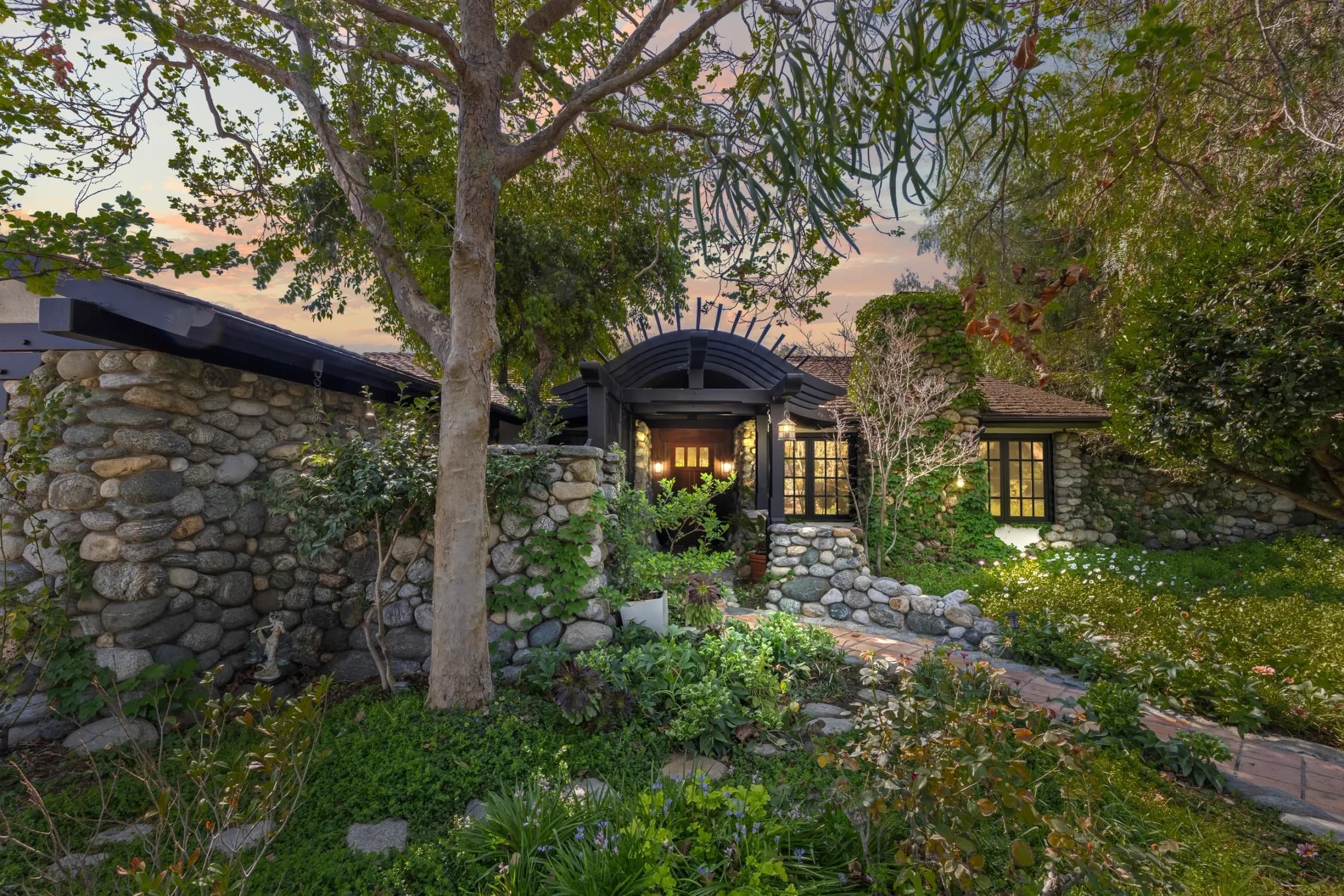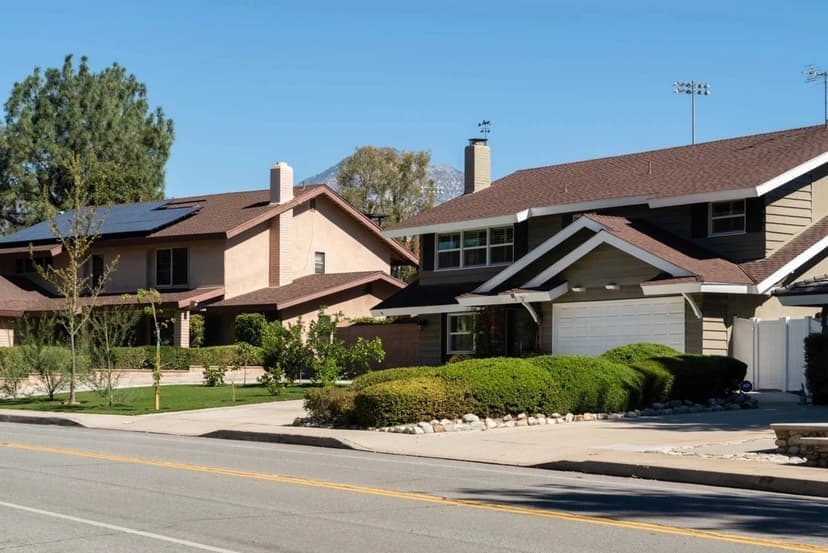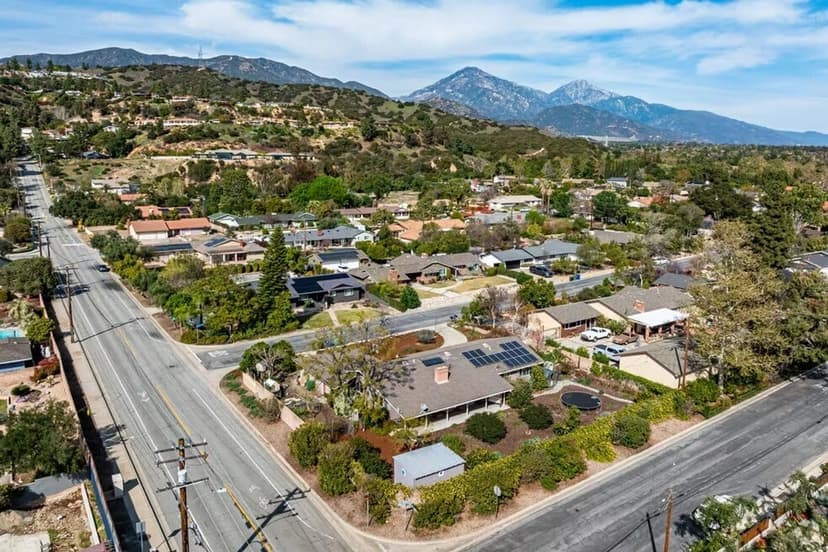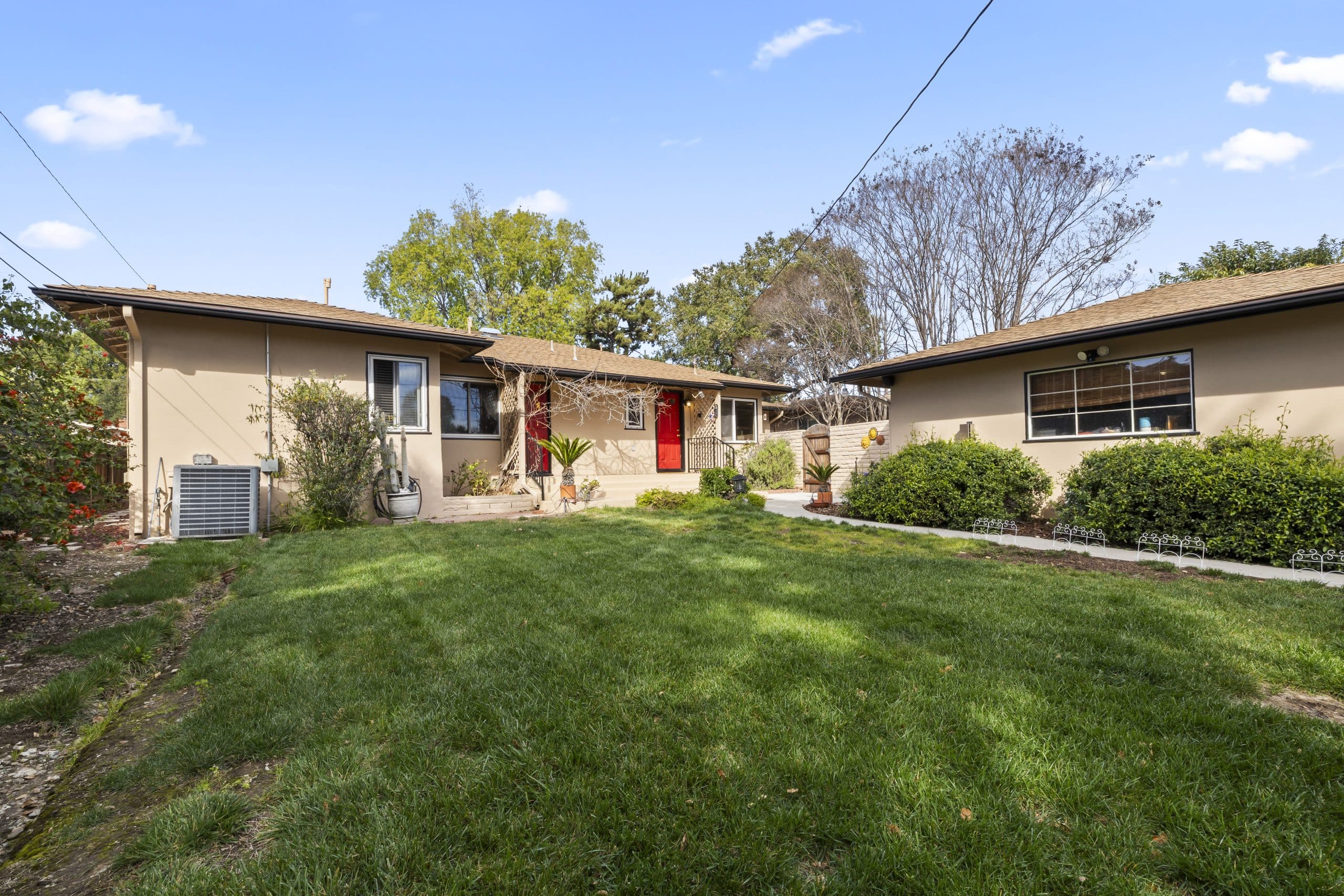
Most towns have a calendar. Claremont has two, and they run at the same time.
One is the academic calendar of the colleges. The other is the civic calendar of a small city with a walkable center. They overlap, they occasionally collide, and together they set the tempo of an ordinary week here more than any single event does.
Buyers rarely think about this on a first visit. They should. The calendar is a fair predictor of what your street will feel like in February versus July, and of whether the thing you liked about the Village on a Saturday is there on a Tuesday.
The academic calendar is the louder of the two
A college town breathes. Population swells when terms begin and thins when they end. That is not a nuisance to be managed so much as a fact to be understood, and it has second-order effects that show up in places you would not expect.
Restaurant seating gets tighter. Street parking near campus edges gets scarcer. Weeknight foot traffic in the Village picks up. Then a break arrives and the same blocks go quiet enough that you notice the birds.
Owners who live within a few blocks of a campus learn the pattern quickly and plan around it. Owners two miles north barely register it. That difference is worth knowing BEFORE you choose a street, not after.
The civic calendar is steadier and more predictable
The city's own calendar is the other half. Public meetings, recreation programming, seasonal gatherings in the parks, and the ordinary business of a municipality that maintains a downtown people actually walk to.
This half is easier to plan around because it is published in advance and it repeats. The city maintains its own calendar of public events and closures, and that is the authority worth checking. Anything you read anywhere else, including here, is a description of the rhythm rather than a schedule.
What the rhythm feels like across a year
Late summer into early fall is the busiest stretch. Terms start, families move in, and the town fills. Foot traffic is high, parking near the center is at its tightest, and the Village feels like a small city.
Late fall carries the holiday weight. Evening activity concentrates in the walkable core, and residential streets that are quiet most of the year see more slow-moving traffic.
Winter into early spring is the town's most local season. Rain, shorter days, and a smaller crowd downtown. This is when you see who actually lives here.
Late spring brings the year's sharpest peak, then a fast drop. Early summer is the quietest stretch on the calendar. Some residents love it and some find it eerie. Both reactions are common, and you cannot tell which one you will have from a listing photo.
How the two calendars interact
The interesting weekends are the ones where both calendars are busy at once. A civic gathering downtown landing on a weekend that already carries academic traffic produces the crowded version of Claremont, the one visitors remember.
Those weekends are a small fraction of the year. They also happen to be the weekends when a lot of people first see the town, which is why the outside impression of Claremont skews busier than the lived reality.
If you are shopping for a home, this cuts both ways. You will see the town at its most charged, and you will not automatically see the February version. Visit twice, ideally in different seasons.
Where the calendar shows up in a home search
Three practical places, in rough order of how often they matter.
- Parking. How many cars your household keeps, and where they sleep, matters much more within walking distance of the center than it does on the north side. Garage capacity and driveway depth are worth measuring, not eyeballing.
- Access. A handful of days a year, getting in or out of a block near the civic core takes longer than usual. Ask a seller directly how their street behaves on a busy weekend.
- Timing. Both the listing side and the buying side have quieter and busier weeks, and they do not always match the seasons you would guess.
None of these are reasons to avoid a location. They are reasons to know what you are choosing. The households that are happiest near the walkable center are the ones who wanted the trade and made it deliberately.
How to check the rhythm yourself
Do not take anyone's word for it, including a very confident local's. Test it.
Drive the street at three different hours
Morning commute, mid-afternoon, and after dark on a weekend. If a street only works at one of those, you have learned something specific.
Walk the Village on a plain weekday
Saturday tells you what a place can be. Wednesday at four tells you what it usually is. If the ordinary version is enough for you, the good version is a bonus rather than a requirement.
Check the city's calendar for the weeks you plan to move
Moving trucks and street closures do not mix. A five-minute check saves a bad morning.
Ask neighbors what the worst week of the year looks like
People will tell you. They usually enjoy telling you. The answer is almost always narrower and less dramatic than a newcomer imagines.
Why the calendar is a feature, not a cost
Towns with a real public calendar have something towns without one cannot manufacture. A place where people gather on purpose, on foot, more than once a year builds the kind of familiarity that keeps residents in place for decades.
That shows up in how rarely certain streets turn over. It shows up in how many owners here are on their second or third home in the same city rather than their first. Long tenure is not an accident of housing stock. It is what happens when people like the year they live.
The calendar is the visible part of that. It is also the easiest part to test before you commit.
Where to go next
For the wider picture of how the town's year is put together, start with the Claremont local events guide. If you are new here and want a practical way in, read events that introduce you to Claremont. If you are buying or selling and want the scheduling angle, read how event weekends affect Claremont open houses.
For current dates, closures, and permits, check the City of Claremont's own calendar rather than any third-party summary.
Anthony Grynchal has been licensed in California since November 2009.
Frequently asked questions
Does Claremont get quiet when the colleges are out?
Yes, noticeably, and most in early summer. Blocks near campus edges feel the change most; neighborhoods farther north barely register it. If you are choosing between two areas, visiting in both a busy and a quiet stretch is the only reliable way to know which version you prefer.
How many days a year is traffic actually difficult?
A small number, concentrated on weekends when the civic and academic calendars are busy at once. Most residents plan around them the way anyone plans around a known busy weekend. Ask a seller how their specific street behaves rather than generalizing from the city as a whole.
Where should I check for current event dates?
The City of Claremont's official calendar. Dates, permits, and street closures change from year to year, so a live municipal source is the only one worth relying on for planning a move, a listing, or a weekend.
Does living near the Village mean constant noise?
For most streets, no. Activity concentrates in the commercial core and thins quickly a few blocks out. The honest trade is parking and occasional access rather than steady noise, and it is worth testing at several hours before deciding.

Written by
Anthony Grynchal
Anthony Grynchal is a California real estate professional with eXp Realty, licensed since November 2009 (California DRE# 01873626), and the Designated Local Expert™ for Claremont — where he has lived for more than 33 years.
More about AnthonyPublished · Updated