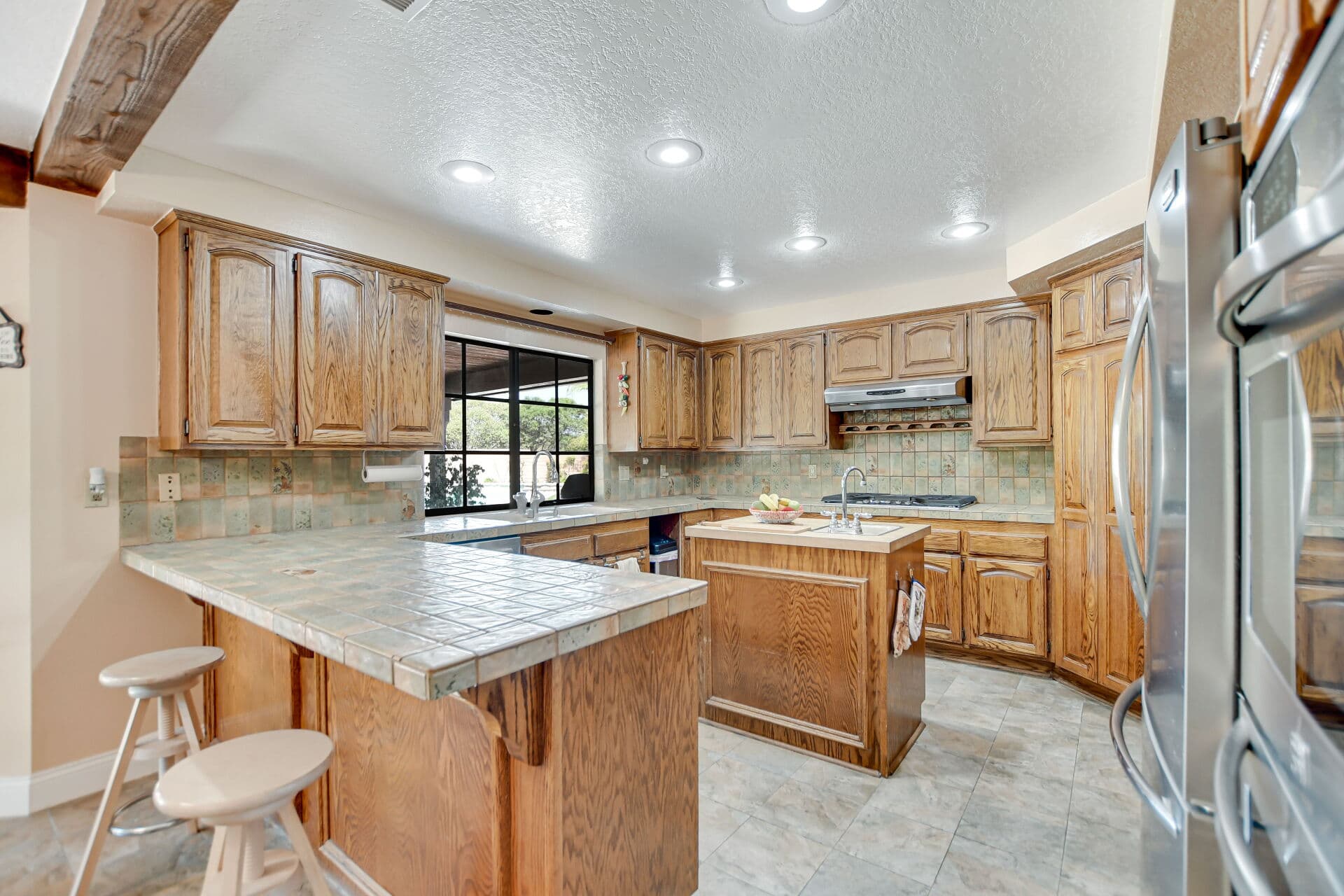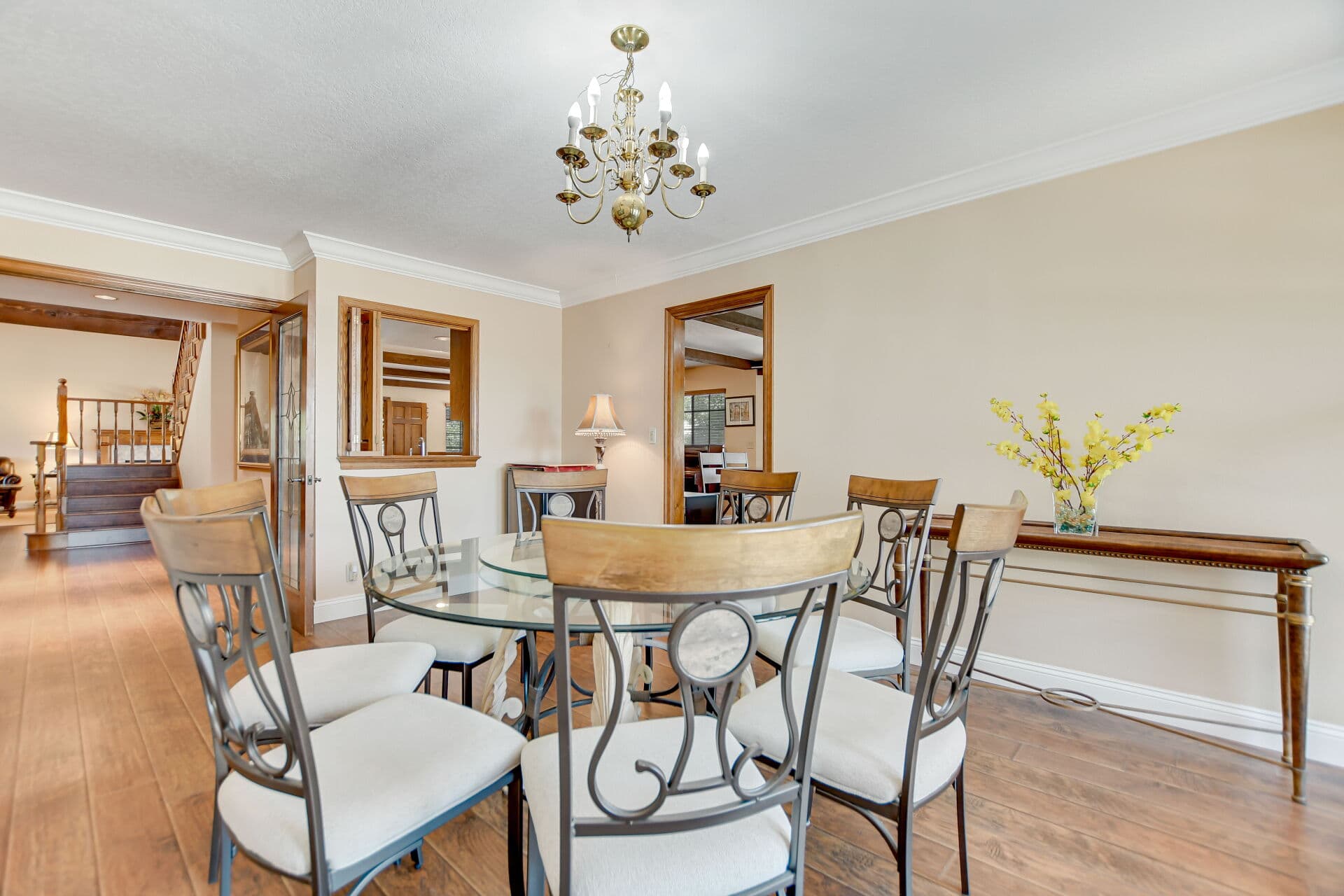
Nearly every argument I have seen in the final week of a high-end escrow has been about an object, not a number. A chandelier. A pair of urns at the end of a drive. A dining table built for the room it sits in. The price was agreed weeks earlier; what was not agreed was what stays.
On an ordinary house this rarely matters, because the contents are ordinary and replaceable. On an estate the contents are frequently commissioned, fitted, or acquired for the specific space, and both sides can hold entirely reasonable but opposite assumptions about them.
The default rule, and why it is not enough
The general principle in a California sale is that fixtures transfer with the property and personal property does not. A fixture is something attached in a way that indicates it was meant to stay. Personal property is everything else.
That test works cleanly for a dishwasher and badly for almost everything interesting in a large house. Is a mounted sculpture a fixture? A built-in banquette? A safe bolted into a closet floor? An outdoor kitchen on a poured base? Statuary set on a plinth that is itself set into paving?
Reasonable people answer differently, which is precisely the problem. The default rule is a starting point for a dispute, not a way to avoid one.
The categories worth naming explicitly
Rather than reasoning from the fixture test, name the items. In my experience these are the ones that cause trouble.
Lighting
Decorative chandeliers and sconces are the most common single dispute in the top tier. A seller who intends to take a chandelier should say so at listing and, ideally, replace it before photography so that nobody ever falls in love with an image of a room that will not exist.
Window coverings and fitted textiles
Custom drapery made to a specific window is usually worthless elsewhere and is a natural include. Motorized shade systems are effectively part of the building. Both should be stated anyway.
Built-in and fitted furniture
Bookcases, banquettes, media walls, and closet systems generally read as fixtures. Freestanding furniture commissioned for the room does not, even if it fits nowhere else. If the intent is that it stays, it must be written down.
Art and mounted objects
Art is personal property in essentially every case, but the mounting can be contested, and removal can leave real damage. A large piece hung on structural anchors may take a section of wall with it. Agree who repairs what.
Outdoor items
Statuary, fountains, planters, fire features, outdoor furniture, and specimen plants in containers. Containers in particular sit in a grey zone: a potted olive is arguably furniture, and arguably part of the landscape composition the buyer paid for.
Wine and equipment
A wine room usually conveys as a fitted space. The COLLECTION inside it does not, and in California moving quantities of wine is regulated, so a transfer arrangement is not something to improvise days before closing.
Vehicles and grounds equipment
Tractors, utility vehicles, and specialized maintenance equipment tied to acreage are personal property but are often more useful to the buyer than the seller. This is one of the more common items to negotiate in.
How to put it on paper
Two documents do the work. The purchase agreement lists items included in the price, and a separate bill of sale covers personal property being transferred.
Keeping significant personal property out of the purchase price is generally the cleaner approach. A lender is financing real property, and an appraiser will not credit furniture, so loading contents into the contract price can create a valuation problem where none needed to exist. That interaction is one more reason the financing versus cash decision shapes more than the closing timeline.
Where items carry real value, treat the transfer with the same seriousness as the house: describe each piece specifically, avoid catch-all language like all furnishings, and confirm with your tax advisor how the allocation should be handled. Items thrown in verbally at the end of a negotiation are the ones that get disputed.
The photography problem
Marketing images set expectations that the contract then has to unwind. A buyer who toured a room, saw the photographs, and formed an impression of the house as a composition will not distinguish between what was staged, what was the seller's, and what stays.
The practical fix is sequencing. Decide what leaves BEFORE the shoot, and either remove it or note it. That is one of several reasons the preparation described in luxury home staging should happen ahead of images rather than alongside them, and why marketing an estate is easier when the inventory question is already settled.
A simple discipline
Sellers: walk the property with a notepad before listing and write down everything you intend to take. Anything ambiguous goes on the list, even if you think the answer is obvious.
Buyers: walk it at the final inspection with the contract in hand and check the list against the rooms. That walkthrough is the last cheap moment to raise a discrepancy. After closing it is a conversation between two people who no longer have a reason to talk.
For the wider picture on how transactions differ at this level, begin with the Claremont luxury homes guide, then read the luxury escrow for how these documents fit the closing timeline. Anthony Grynchal has been licensed in California since November 2009.
Frequently asked questions
Does a chandelier stay with the house?
Not automatically in practice, even though an attached light can look like a fixture. Decorative lighting is the most frequently disputed item in high-end sales, so a seller intending to keep a chandelier should say so at listing and ideally swap it before photographs are taken.
Should furniture be included in the purchase price?
Usually not. A lender finances real property and an appraiser will not credit furnishings, so folding significant contents into the contract price can create a valuation problem. A separate bill of sale is generally the cleaner route, with the allocation confirmed by your tax advisor.
What about outdoor statuary and potted specimen trees?
These sit in a genuine grey zone. Items set into paving often read as part of the property, while containers are arguable either way. Because both sides can hold reasonable opposite views, the only reliable approach is to name them specifically in writing.
When is the last practical moment to catch a missing item?
The final walkthrough before closing, done with the contract inventory in hand. Raising a discrepancy then is straightforward. Raising it after closing means negotiating with someone who no longer has any transactional reason to respond.

Written by
Anthony Grynchal
Anthony Grynchal is a California real estate professional with eXp Realty, licensed since November 2009 (California DRE# 01873626), and the Designated Local Expert™ for Claremont — where he has lived for more than 33 years.
More about AnthonyPublished · Updated