Buyers spend months on the purchase and almost no time on the year after it. That is backwards for a large property, because the purchase happens once and the operating burden happens continuously.
This is not a piece about numbers. Costs vary so widely with lot size, construction, equipment age, and how the previous owner maintained things that any figure offered here would be invented. It is a piece about the CATEGORIES, so that a buyer can go get real quotes on the ones that apply, ideally during the inspection window rather than after closing.
Systems multiply, they do not scale
A large house rarely has one of anything. Multiple HVAC zones mean multiple condensers, multiple furnaces, and multiple sets of filters on different schedules. Long plumbing runs often mean a recirculation pump. Detached structures may have their own panels, their own water heaters, and occasionally their own meters.
The practical consequence is that service calls come more often, not because anything is wrong but because there is simply more equipment reaching the end of its life at different times. A buyer used to one furnace and one water heater should expect a different rhythm.
Ask during escrow for the age and service history of every unit, not the newest one. The seller disclosure and the inspection will tell you what exists; only the service records tell you what has been neglected.
The grounds are a standing obligation
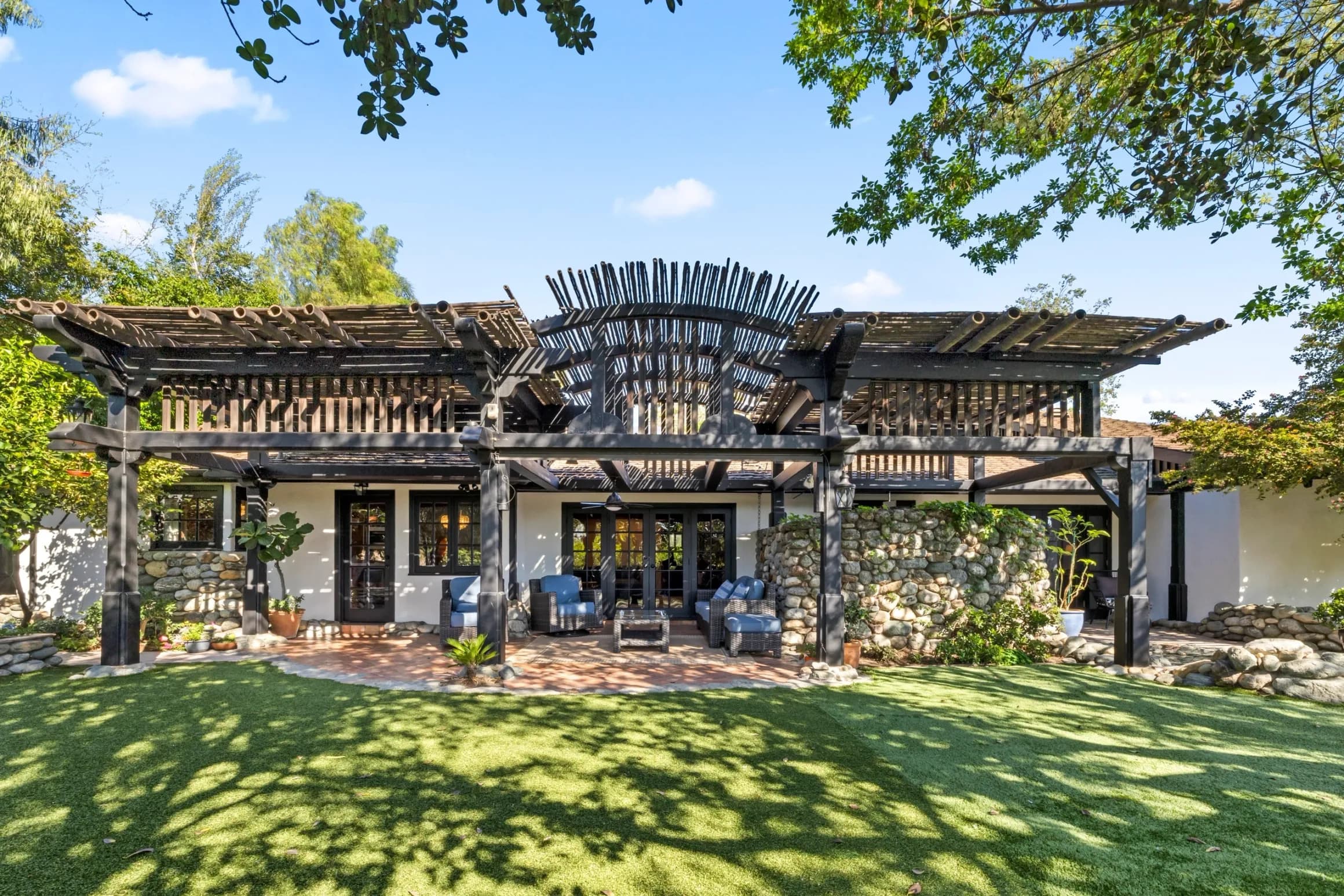
Acreage does not maintain itself, and mature landscape is the part of an estate that degrades fastest when attention lapses. Irrigation controllers fail quietly. Mature trees need periodic assessment by someone qualified, particularly on a slope or near a structure. Slopes need vegetation management, and in the foothills that is a fire-safety obligation rather than an aesthetic one.
Specimen trees are also the least replaceable thing on the property. A neglected oak is not a maintenance item, it is a permanent loss of value, which is why the relationship between planting and worth gets its own treatment in Claremont luxury landscaping.
The honest way to size this before closing is to ask the seller who currently maintains the grounds, at what frequency, and to call that company yourself.
Water and pools
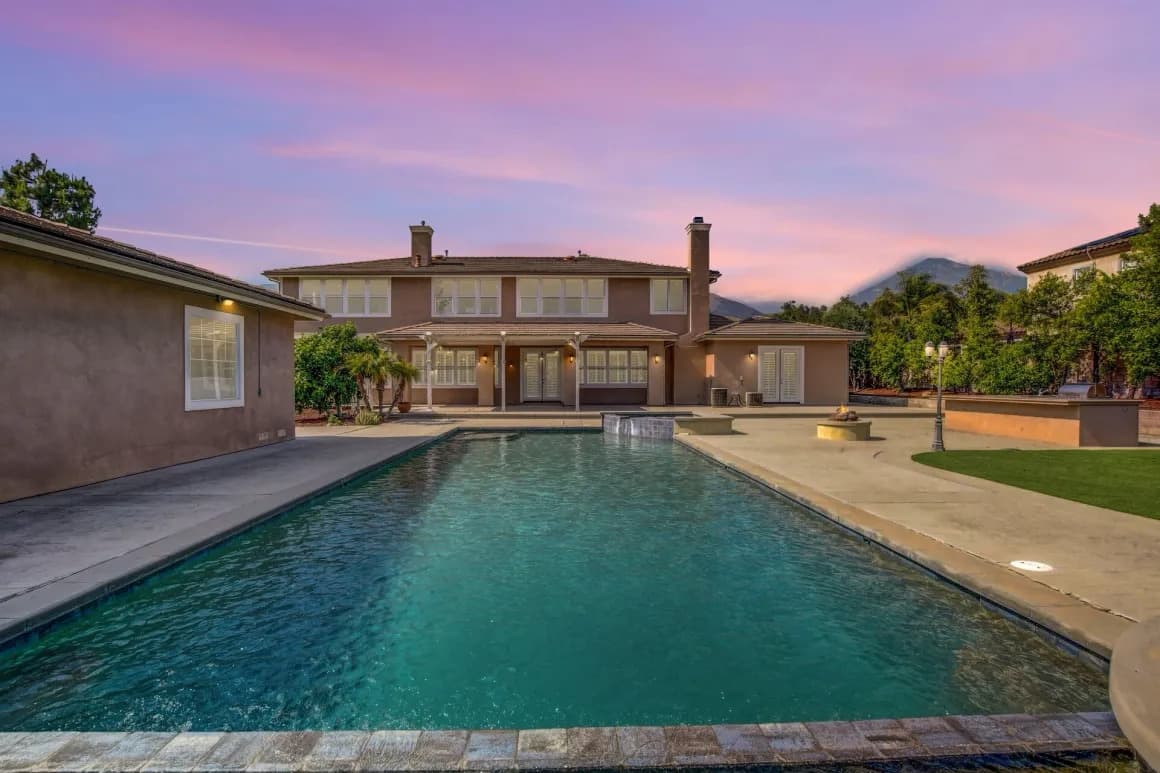
A pool is a weekly service relationship plus equipment with a finite life: pump, filter, heater, automation, and eventually the surface itself. Water features, ponds, and fountains each add their own pump and their own failure mode. Spa equipment ages faster than pool equipment because it runs hotter.
Landscape irrigation on a large lot is frequently the single largest utility line, and it is the one most sensitive to a broken valve that nobody notices for a month. A property with extensive irrigation benefits from a controller that reports failures rather than one that simply runs.
Access, security, and the things that are easy to forget
Gates have motors, and motors fail. Long private drives need resurfacing on a cycle. Exterior lighting on a large parcel is a real fixture count with a real replacement schedule. Backup generators need exercising and annual service, and the ones that were installed and then forgotten are usually the ones that will not start.
Detached guest quarters, casitas, and pool houses carry a full building's worth of upkeep at a fraction of a building's use, which is exactly why they are easy to let slide. Their contribution to value is discussed in Claremont amenity premiums, and the same features that add value add obligation.
Insurance, taxes, and the fixed side
Two of the largest recurring items are not maintenance at all.
Property tax follows the purchase, and a buyer moving up should expect an assessment based on what they paid rather than what the previous owner was paying. Reviewing the current tax bill without understanding that distinction produces a badly wrong budget.
Insurance on a custom or hillside property is its own subject, and it is one of the more common late surprises in a Claremont escrow, so it is worth pricing early rather than assuming a standard policy will apply.
The service relationships are part of the asset
This is the part buyers underestimate most. A well-run estate usually depends on a handful of people who know the property: the landscape company that understands which valves feed which zone, the pool technician who knows the automation, the contractor who has been maintaining the structures for years.
That knowledge does not transfer with the deed. It transfers only if the buyer asks for it, and the best moment to ask is before closing, while the seller is still motivated to be helpful. A list of current vendors, with contacts, is one of the more valuable things a buyer can request and one of the least often requested.
What to do during escrow
Collect the vendor list. Get the age of every major system in writing. Ask for two years of utility history if the seller will provide it, and treat any months that look unusually low as a question rather than a gift. Have the irrigation and the gate operated in front of you. Get an insurance quote before the contingency period ends.
None of this changes what the property is worth. It changes whether the first year of ownership feels like settling in or like a sequence of avoidable emergencies.
For the wider context on how properties at this level differ, start with the Claremont luxury homes guide, and pair this with inspecting a Claremont estate, which covers what to look for before any of these obligations become yours. Anthony Grynchal has been licensed in California since November 2009.
Frequently asked questions
What do buyers most often underestimate about running a large Claremont property?
The number of systems rather than the size of any one of them. A large house typically has multiple HVAC zones, several water heaters, detached structures with their own equipment, and grounds that require a standing service relationship, so upkeep arrives continuously rather than occasionally.
Should I ask the seller for utility history before closing?
Yes, and it is worth asking for a couple of years rather than a few months. Irrigation on a large lot is highly seasonal, and a single low month can badly misrepresent the ongoing pattern. Unusually low readings deserve a question rather than relief.
Will my property tax match what the seller has been paying?
Generally not. In California, a purchase triggers a reassessment based on the transaction rather than the prior owner's basis, so a buyer moving up should budget from that assessment rather than from the current bill. Confirm the specifics with the county assessor or your tax advisor.
What is the single most useful thing to request during escrow?
The current vendor list with contacts. The landscape company, pool technician, and contractor who already know the property hold knowledge that does not transfer with the deed, and sellers are far more willing to hand it over before closing than after.

Written by
Anthony Grynchal
Anthony Grynchal is a California real estate professional with eXp Realty, licensed since November 2009 (California DRE# 01873626), and the Designated Local Expert™ for Claremont — where he has lived for more than 33 years.
More about AnthonyPublished · Updated