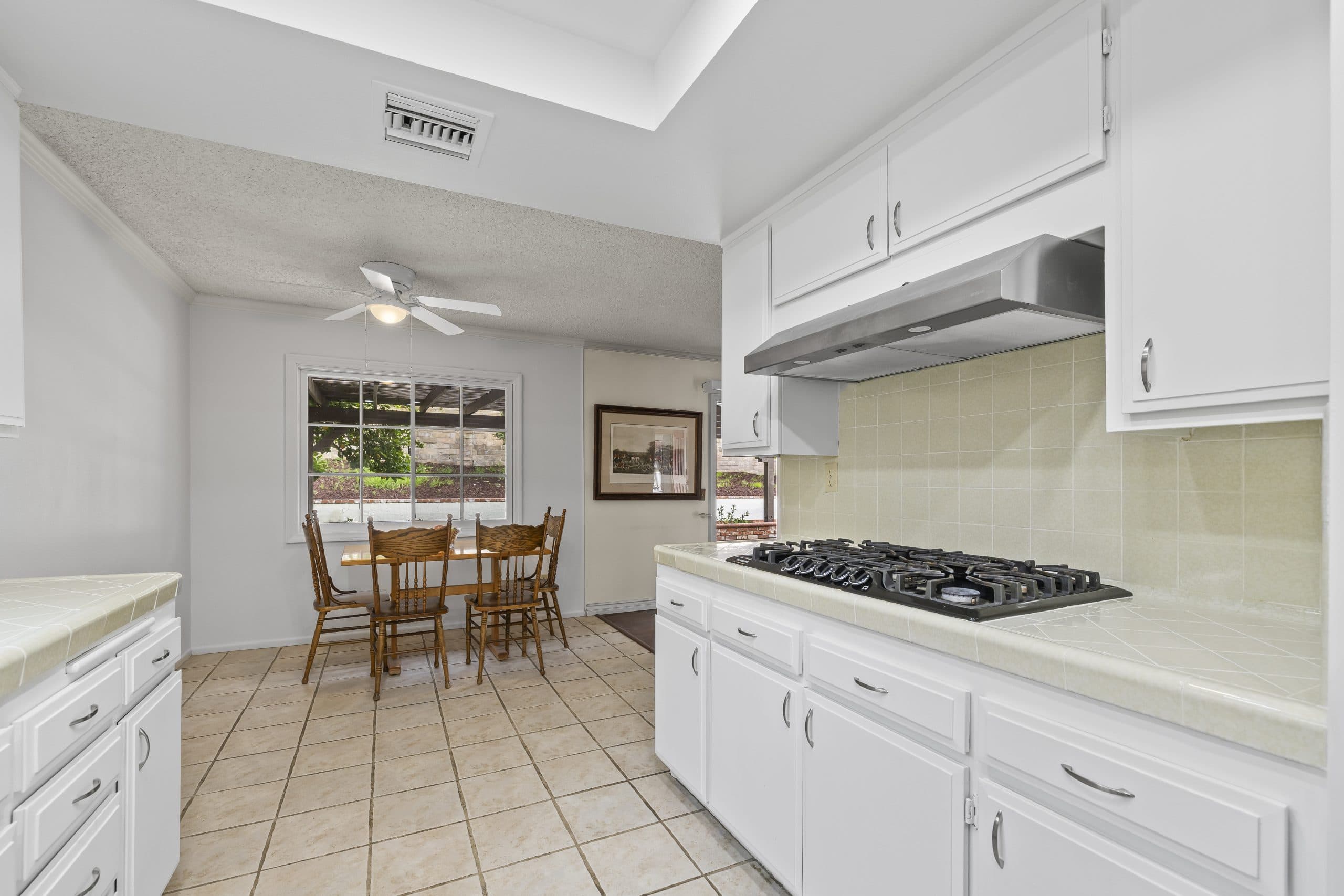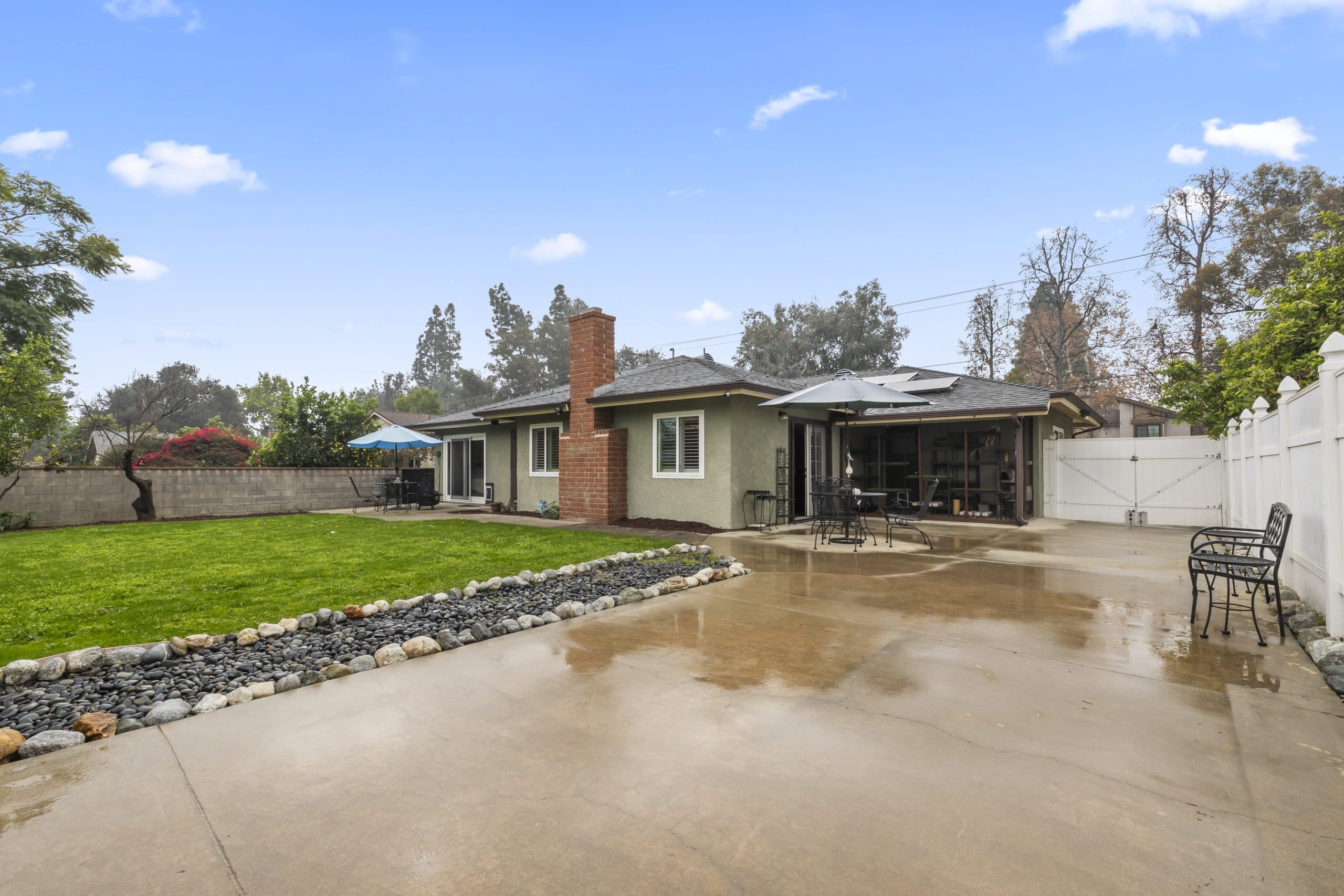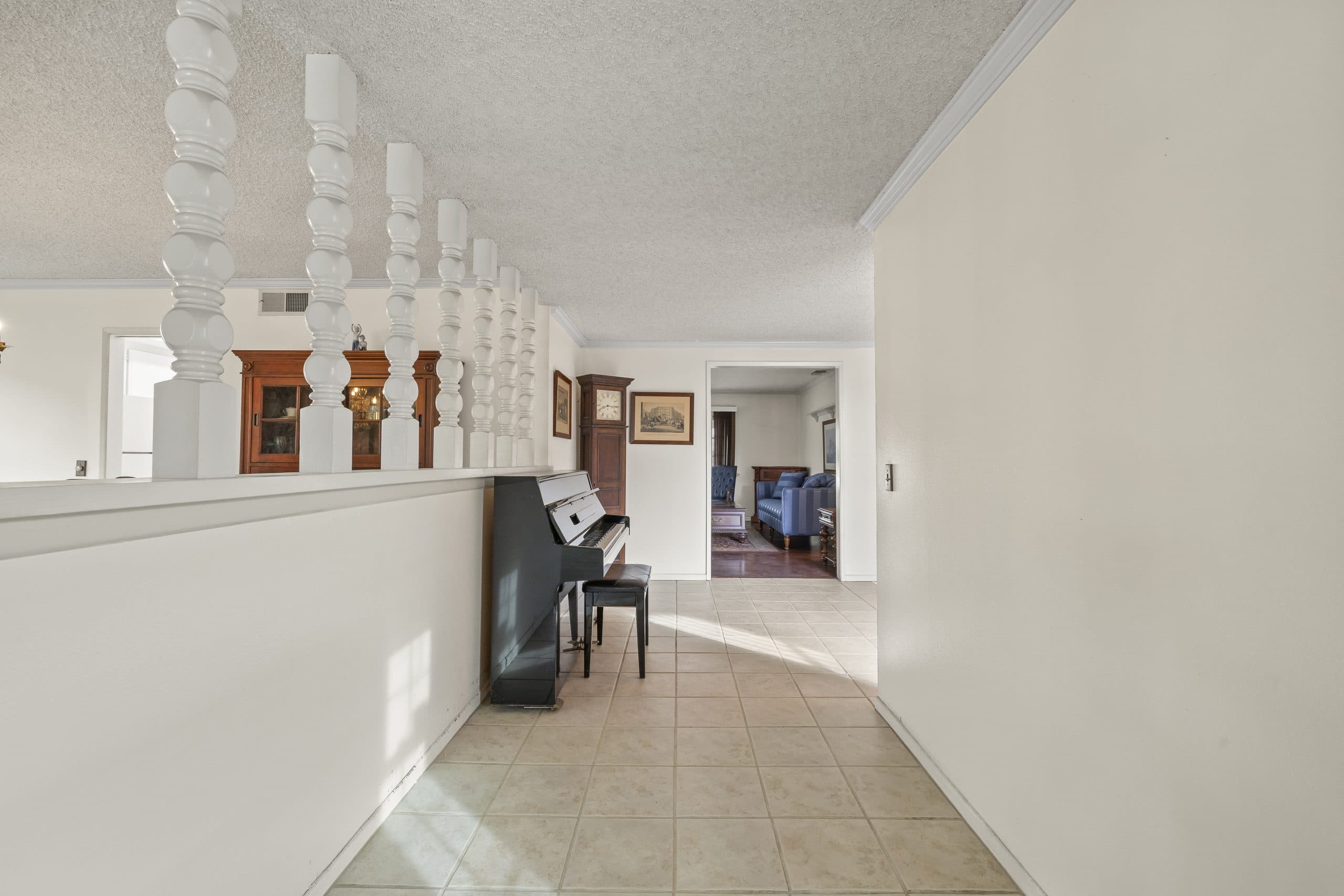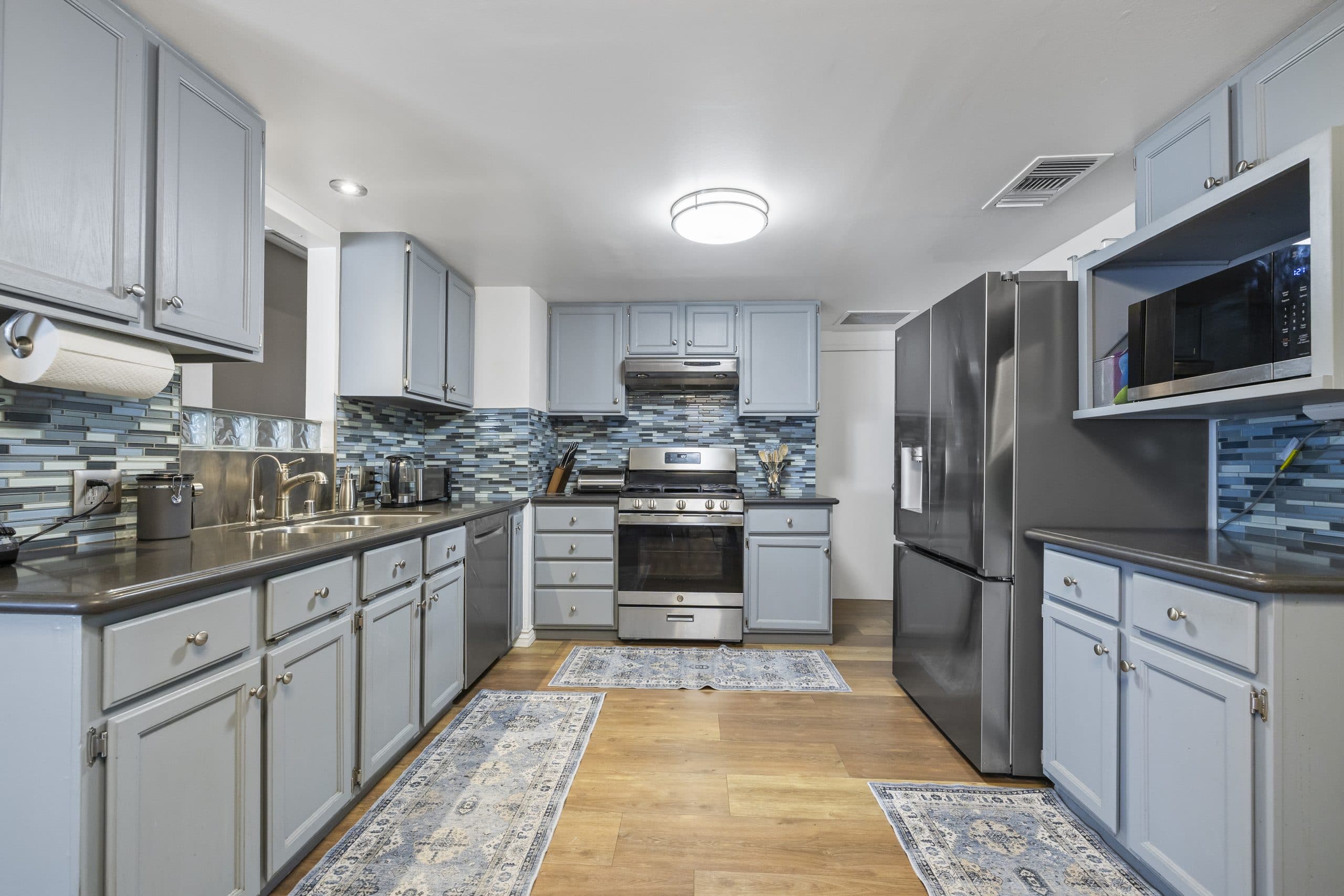
Claremont's substantial homes are not all in the foothills. A significant share of the town's most impressive residential ground is OLD, sits closer to the historic core than to the mountains, and looks nothing like the hillside product buyers usually picture. These streets have their own logic, their own advantages, and their own obligations. This page is about reading them. The town-wide map, including how the historic streets sit relative to the foothill pockets, is in the Claremont luxury neighborhoods guide.
Why the old streets look different
They were laid out when a house was expected to sit within grounds, and when the street itself was understood as a shared piece of architecture. That produces a set of characteristics you do not get from later subdivision.
THE CANOPY IS FULLY MATURE. Trees planted generations ago have reached their finished size. On the best of these blocks the crowns close entirely over the pavement and the street reads as a room. This is the single most valuable and least reproducible asset in Claremont residential property.
THE PARCELS ARE DEEP RATHER THAN WIDE. Older platting favored depth, which puts the house forward on the lot with substantial private ground behind it — the opposite arrangement from many foothill parcels, where the view pulls living space to the rear and the front is a driveway.
THE STREETS CONNECT. Historic grids are grids. There are fewer cul-de-sacs and more through-movement than in the foothills, which is a real difference in daily feel and part of why the field walk described in the estate street field guide matters here.
THE ARCHITECTURE IS SPECIFIC. These are period houses with period detailing, built by people who were solving different problems than a contemporary builder solves, using different materials and different structural logic.
What the historic stock gives
CHARACTER THAT CANNOT BE BUILT. Detailing, proportion, joinery, and materials from an era when they were standard rather than exceptional. Reproduction is possible and expensive; authenticity is not purchasable at any price.
SETTING THAT IS ALREADY FINISHED. Nothing about a mature street needs to grow in. What you see is what it is, permanently.
WALKABILITY. The older parts of Claremont sit closer to the town's civic and commercial core than the foothill streets do, and being able to walk somewhere is a meaningful daily difference.
GENEROUS PRIVATE REAR GROUND on deep lots, generally flat, generally usable in full — a real contrast to hillside parcels where recorded area and usable area diverge, as covered in the large-lot guide.
What it asks
SYSTEMS OF THEIR ERA. Electrical, plumbing, heating, and cooling in a period house may be original, partly updated, or fully replaced, and the difference between those three states is enormous. This is the central due-diligence question and it needs a thorough inspection with follow-up by qualified trades.
MATERIALS THAT REQUIRE SPECIFIC KNOWLEDGE. Plaster, original windows, period roofing, and hardwood all reward correct treatment and suffer badly from generic treatment. Owning one of these houses well means finding trades who work on them regularly.
MAINTENANCE AS A RHYTHM. Old buildings are maintained continuously rather than repaired occasionally. Owners who enjoy these houses tend to treat that as part of the arrangement.
MATURE TREES AS AN ASSET AND A RESPONSIBILITY. Large old specimens need arborist attention, and their root systems, canopy, and structural condition all matter. Claremont also has protections around tree removal — before assuming a tree can come out, ask the City of Claremont what applies.
The regulatory question, which is the important one
Older properties in some areas may fall within historic designations, districts, or overlay provisions, and where they do, exterior alterations, additions, and sometimes materials can be subject to review. This varies by property and by area, and the provisions are amended over time.
Do not rely on what a seller believes, what a neighbor did, or what a listing states. Before you buy, and certainly before you plan any change, confirm directly with the City of Claremont: whether the property carries any historic designation or sits within a designated area, what review applies to exterior work, and what the process and timeline for approval look like. Ask the same about tree removal and about any accessory structure you are contemplating.
This is not a reason to avoid the historic stock. It is a reason to understand what you are buying, because a designation can be a positive — it protects the character of the street that makes the property worth owning — and a constraint at the same time. Buyers who go in informed are rarely unhappy about it; buyers who discover it during a remodel usually are.
Where a designation carries any tax or incentive program, that is a matter to review with the city and with your own tax professional rather than to assume.
Old versus new, honestly
Buyers frequently frame this as a choice between historic character and modern convenience, and that framing is too simple. A well-updated period house can be entirely comfortable, and a recently built house on a young street can lack any setting at all.
The real choice is between FINISHED SETTING WITH AN OLDER BUILDING and NEWER BUILDING WITH AN UNFINISHED SETTING. Trees take decades; kitchens take months. Which side of that you would rather solve is a genuine personal question, and it is the one worth asking yourself before you tour either.
Where to go next
For the full map of the town's estate ground, see the neighborhood atlas. For the contrast with the foothill product, see the foothill tier guide. Anthony Grynchal has been licensed in California since November 2009.
Frequently asked questions
How do Claremont's historic streets differ from the foothill pockets?
The canopy is fully mature rather than still filling in, parcels are deep rather than wide, the streets connect as a grid instead of ending in cul-de-sacs, and the architecture is period-specific with the materials and structural logic of its era.
What is the central due-diligence question on a period home?
The state of the systems. Electrical, plumbing, heating and cooling may be original, partly updated or fully replaced, and the difference between those states is large. It calls for a thorough inspection with follow-up from qualified trades.
Do historic designations restrict what I can do to the house?
They can. Some properties or areas carry designations under which exterior alterations and additions are subject to review. Provisions vary and are amended over time, so confirm the specific property directly with the City of Claremont before buying or planning work.
Can I remove a large old tree on a historic lot?
Not without checking. Claremont has protections around tree removal, and mature specimens on these streets are part of what defines them. Ask the city what applies to the specific trees before making plans that depend on removal.

Written by
Anthony Grynchal
Anthony Grynchal is a California real estate professional with eXp Realty, licensed since November 2009 (California DRE# 01873626), and the Designated Local Expert™ for Claremont — where he has lived for more than 33 years.
More about AnthonyPublished · Updated