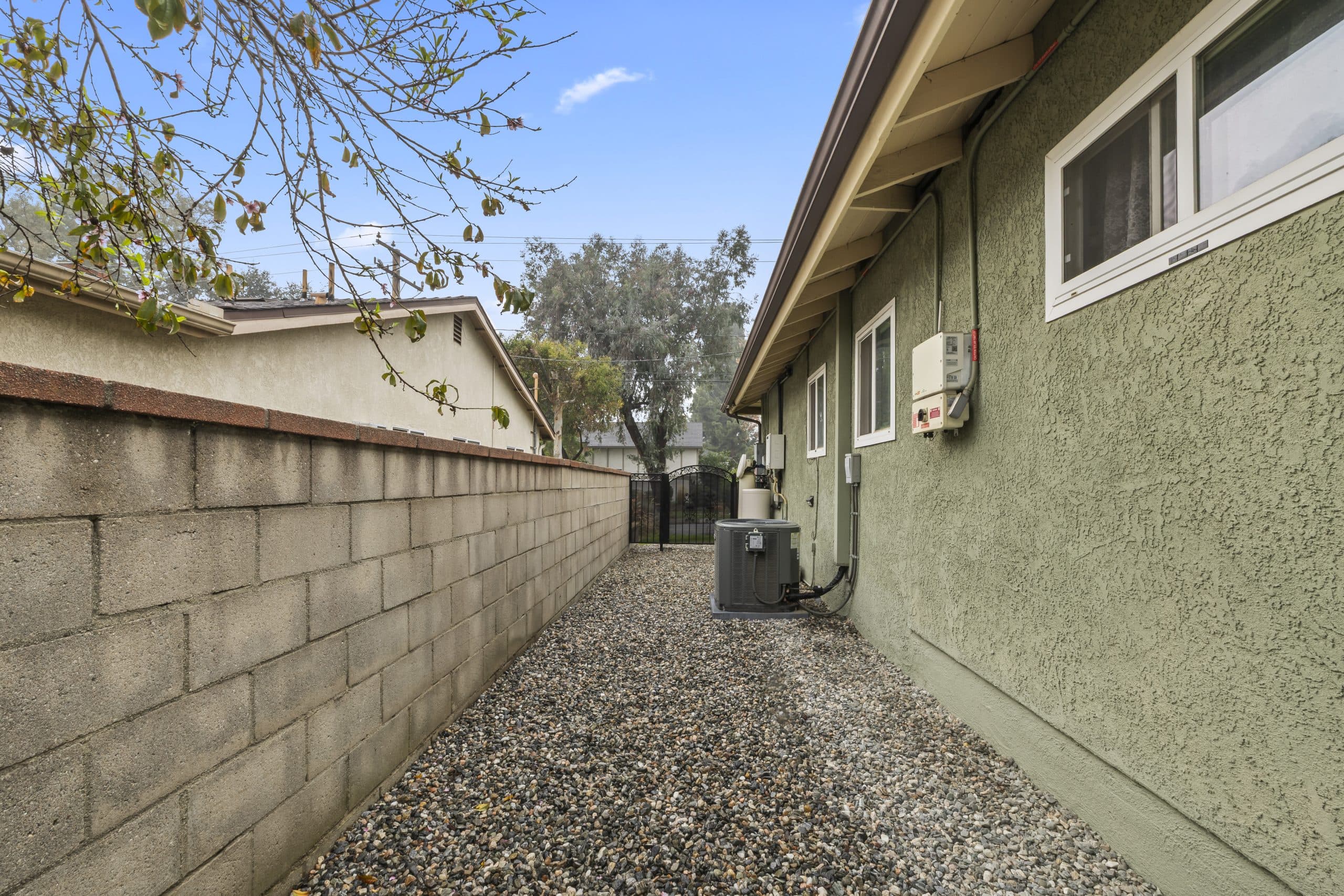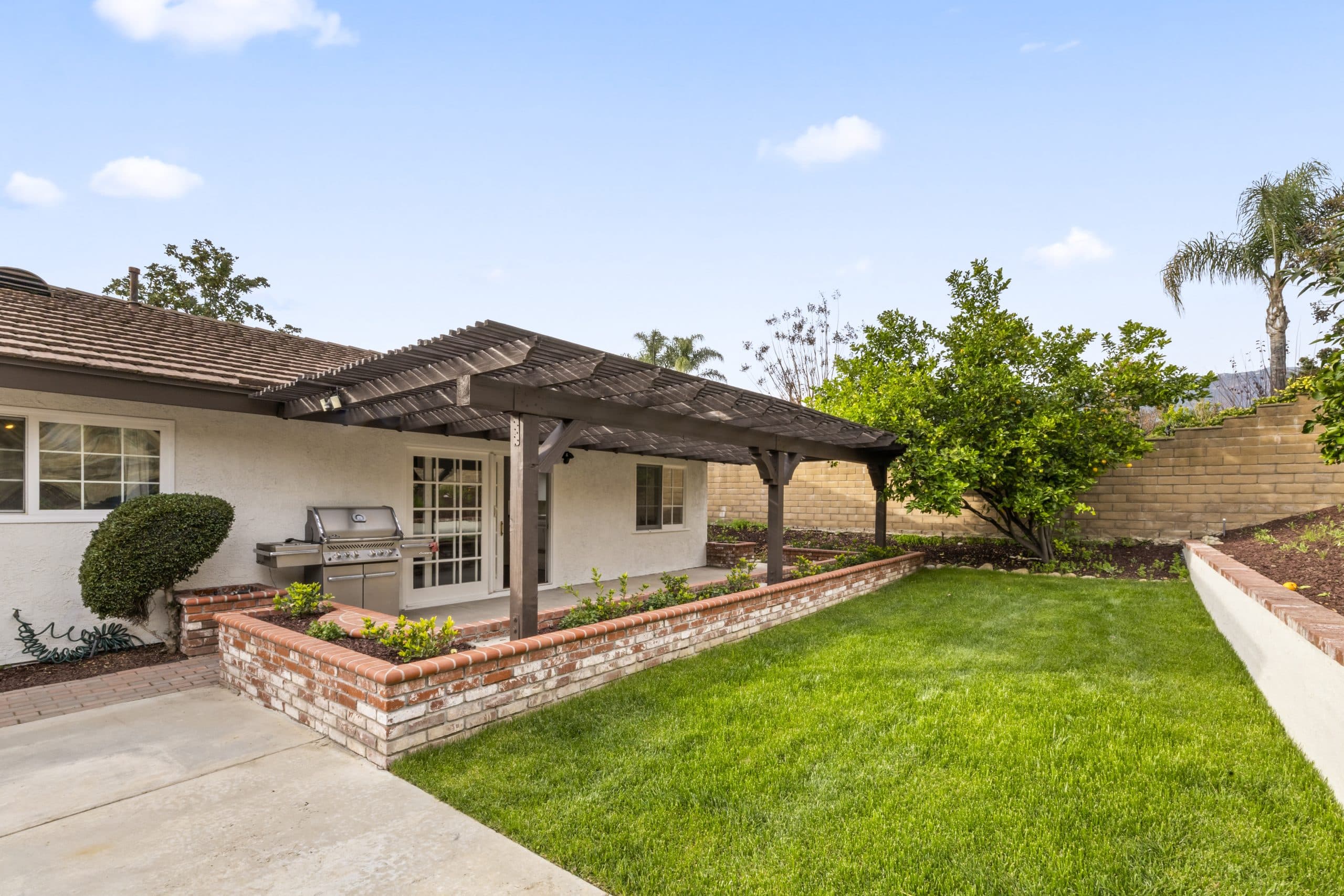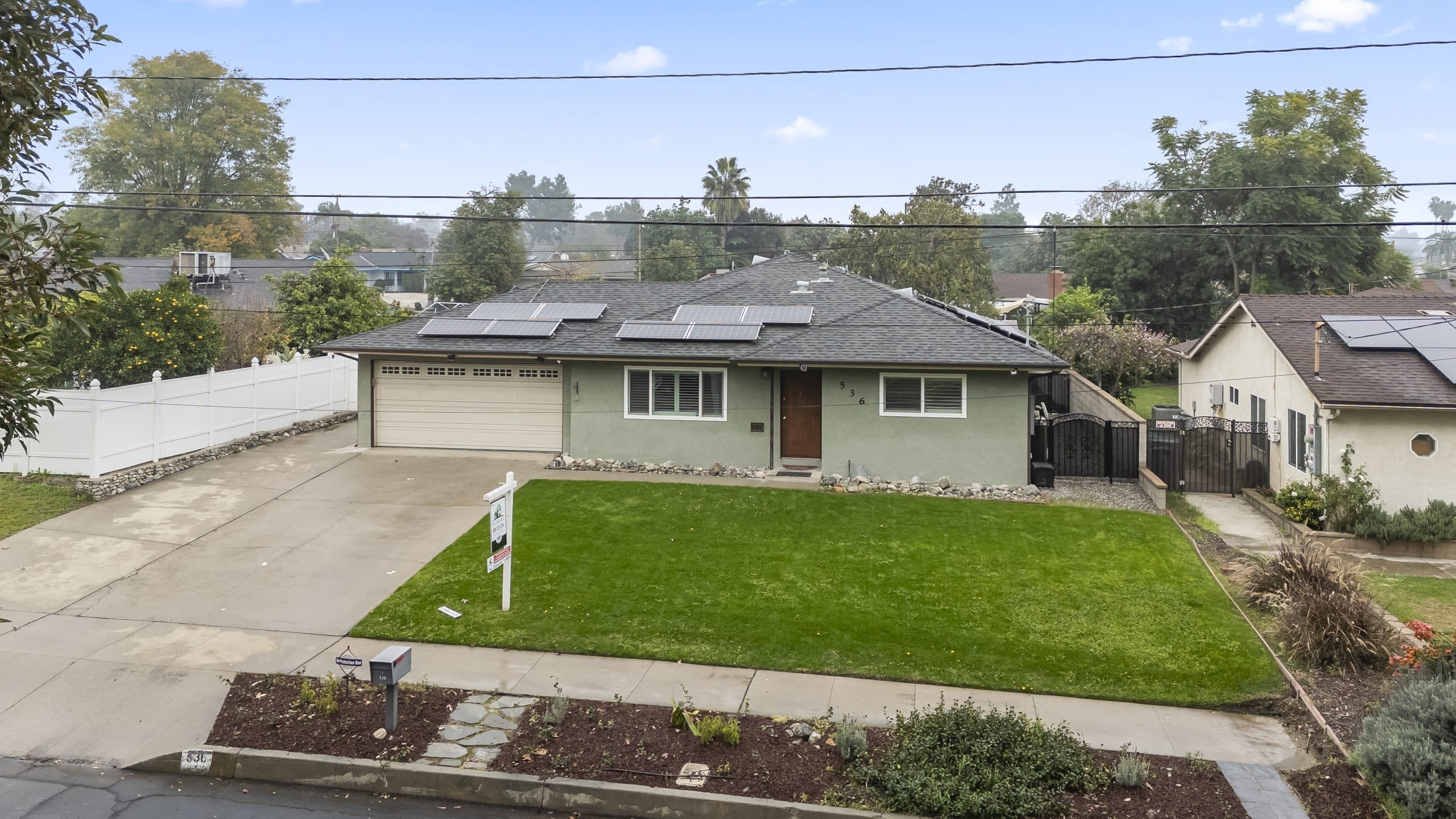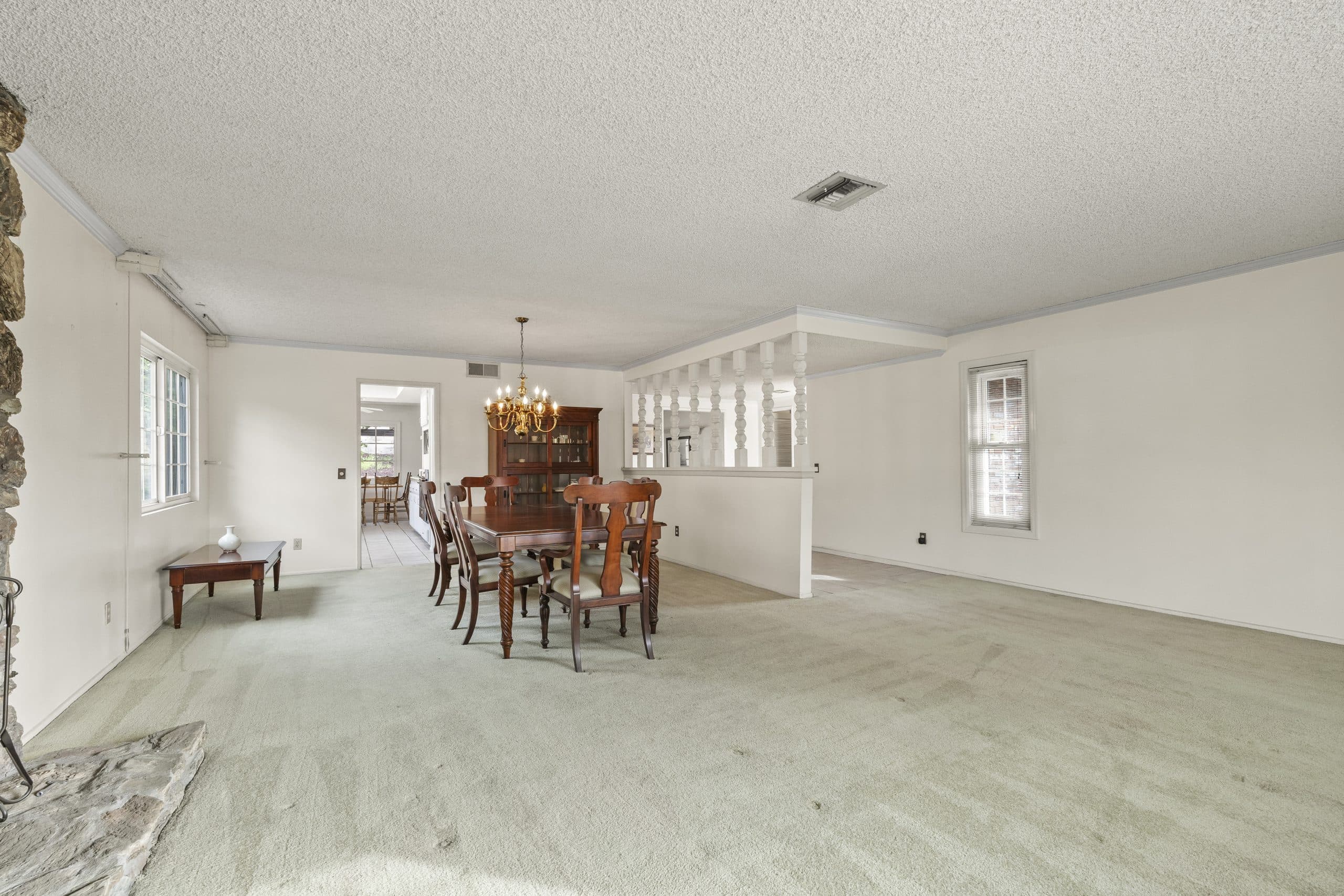
Claremont is organized by a small number of north-south streets that run from the valley floor toward the mountains. Mountain Avenue is the best known of them, and it functions as the town's spine in the way people describe locations to each other — everything is east of it or west of it. Corridor streets like these are a distinct residential product, and buyers consistently underrate how different they are from the quiet streets that branch off them. This page is about that difference. The full map sits in the Claremont luxury neighborhoods guide.
What a corridor street is
A corridor carries movement. It is the route people use to get from the flat part of town to the foothills and back, which means it has continuous traffic through the day and a broader right-of-way than the streets it feeds. Its intersections are more frequent, its pavement is wider, and its trees — where they are mature — form a genuinely impressive allee, because a wide straight street with old canopy on both sides is one of the more striking things this town has.
The residential properties along a corridor are shaped by all of that. They tend to sit farther back. Their front landscaping does more work. Their entries are often turned or screened. Many of them are older than the tracts behind them, because corridors get built along first and the neighborhoods fill in afterward.
The honest trade
Corridor addresses give you three things reliably.
PRESENCE. A house on a wide, canopied through-street reads differently from the same house on a loop. Frontage is on display, which is why corridor properties often carry more deliberate front elevations and more considered landscape architecture than their neighbors one street back.
ORIENTATION. You always know where you are. Access is simple, arrival is legible, and directions to your house are one sentence long.
OLDER STOCK, OFTEN. Because corridors were laid out early, the homes along them are frequently from earlier eras than the surrounding subdivisions, with the construction characteristics and the maturity of setting that implies.
And they take one thing: QUIET AT THE FRONT. Not throughout — a deep lot puts real distance between the pavement and the rear of the property, and the rear yard on a corridor parcel is often notably peaceful. But the front rooms and the front yard live with movement. Whether that is a problem depends entirely on how the house is arranged, which is why corridor properties reward careful walk-throughs more than most.
How to evaluate a corridor property
Four checks, in order.
WHERE THE LIVING SPACE IS. If the principal rooms face the rear and the front holds entry, garage, and secondary space, the corridor is largely invisible from inside. If the main living room fronts the street, you are living with the street. This one factor determines most of the outcome.
DEPTH AND SETBACK. Distance is the most effective sound and privacy device available, and corridor lots are often deep for exactly this reason. Measure it with your feet.
THE SCREENING LAYER. Mature hedging, a raised planted berm, a wall of established shrubs — these are doing structural work on a corridor lot, and how well they are doing it is the difference between two otherwise identical properties. The techniques are covered in detail in the privacy screening guide.
DRIVEWAY GEOMETRY. Entering and leaving a busy through-street is a daily event. A circular drive or a turnaround changes the experience of a corridor address more than almost any interior feature. A straight back-out driveway onto a moving street is worth thinking about seriously before you commit.
The streets that hang off the corridor
One block east or west, everything changes. The right-of-way narrows, through-traffic disappears, and the street stops being a route and becomes a destination. This is where most of Claremont's estate pockets sit, and it is why the town can feel simultaneously well connected and extremely quiet.
The pattern is worth understanding as a buyer because it gives you a lever. If you want the canopy and the mature setting of an older corridor area without the movement, look at the first two blocks off the corridor. You keep the trees, the lot sizes, and the proximity; you lose the traffic. Those blocks are also frequently overlooked, since buyers searching by neighborhood name skip past streets that do not belong to a named pocket. The in-between streets guide is entirely about that gap.
Corridors at the top
As a north-south street climbs toward the foothills, its character shifts again. Grade increases, the right-of-way often narrows, and the corridor stops being a commuting route and becomes an access road for the properties on it. Traffic volume falls off substantially in the upper reaches, and what remains is mostly residents.
What increases instead is exposure — wind, sun, and the vegetation-management obligations that come with proximity to open space. Those requirements are specific to a parcel and they change; confirm current standards for any address with the City of Claremont and the fire authority with jurisdiction rather than relying on what a neighbor tells you.
Reading a corridor before you buy on one
Drive it three times: mid-morning, late afternoon, and after dark. The first tells you the baseline, the second tells you the peak, and the third tells you about headlights, which is the thing corridor owners mention most and buyers think about least. Then stand in the rear yard of the property you are considering and see whether the street is still audible. Very often it is not, and that surprises people.
Corridors are not a compromise position. They are a specific product with specific strengths, and the buyer who wants presence, mature canopy, and effortless orientation is genuinely better served on one than off it.
Where to go next
For how the corridors fit the town-wide picture, see the neighborhood atlas. For the terrain bands these streets climb through, see the foothill tier guide. Anthony Grynchal has been licensed in California since November 2009.
Frequently asked questions
What makes a corridor street different from a residential side street?
A corridor carries through movement between the flat part of town and the foothills. It has a wider right-of-way, more frequent intersections and continuous daytime traffic, and the homes along it tend to sit farther back with more deliberate front landscaping.
Is traffic noise a problem on a corridor property?
It depends almost entirely on how the house is arranged. If the principal rooms face the rear, the street is largely invisible from inside. If the main living space fronts the street, you live with it. Deep lots also put real distance between the pavement and the rear yard.
How can I get the mature setting of a corridor area without the traffic?
Look at the first two blocks off the corridor. You keep the canopy, the lot sizes and the proximity, and the through-traffic disappears because those streets are destinations rather than routes.
Does a corridor change character as it climbs toward the foothills?
Yes. Grade increases, traffic falls off to mostly residents, and exposure to sun and wind rises. Proximity to open space can also bring vegetation-management obligations, which should be confirmed for the specific parcel with the city and the fire authority.

Written by
Anthony Grynchal
Anthony Grynchal is a California real estate professional with eXp Realty, licensed since November 2009 (California DRE# 01873626), and the Designated Local Expert™ for Claremont — where he has lived for more than 33 years.
More about AnthonyPublished · Updated