Large houses do not present themselves. The qualities that make them worth owning, proportion, sequence, light moving through the day, are exactly the qualities a wide-angle lens flattens and a rushed tour destroys.
This is a craft problem rather than a budget problem, and getting it right is one of the few genuinely controllable variables in an upper-end sale. The neighborhood context is in the Claremont luxury neighborhoods guide.
Why the standard approach fails on a big house
The default listing method is one photographer, one visit, one lens, every room captured from the corner. On a modest house that works. On a large one it produces a set of images in which every space looks similar, the sequence between rooms is lost, and the scale reads as emptiness.
Worse, the widest possible framing tends to distort. Buyers who tour a house that looks smaller than its photographs feel misled, and that feeling is expensive.
Shoot on the house's schedule, not the calendar
Every room has an hour. Establish which one before booking anything: walk the house at several times of day and note when each principal space is at its best.
Then plan multiple sessions. Morning rooms in the morning. Afternoon rooms in the afternoon. Exterior when the elevation is lit rather than backlit. A twilight session where a view or the lighting design is central to the property, because that is the condition buyers imagine and it cannot be faked at noon.
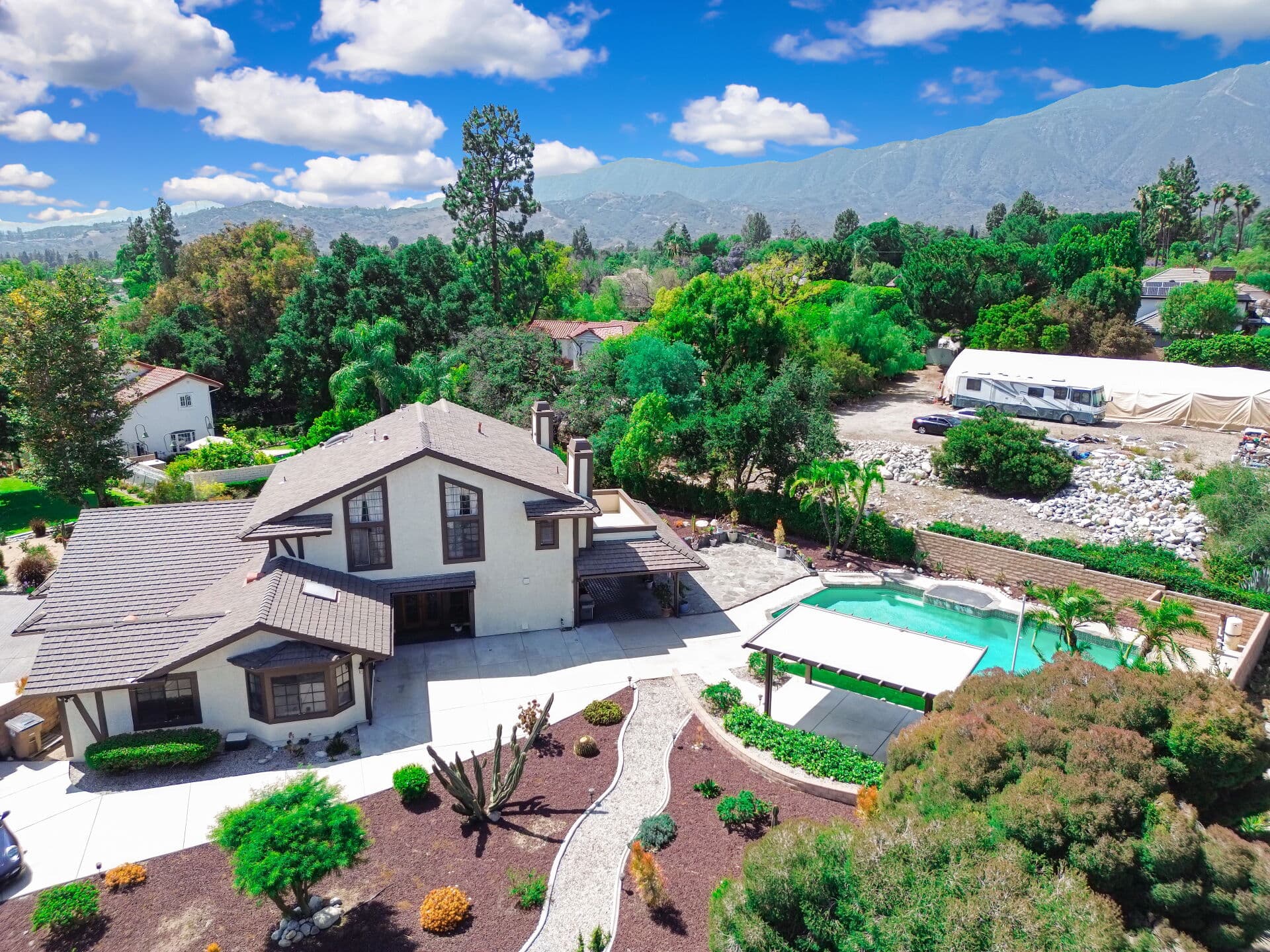
Landscape needs its own consideration. Large properties usually have a season and a time when the planting reads best, and a shoot that ignores it wastes the most expensive thing on the parcel.
What to photograph that is usually missed
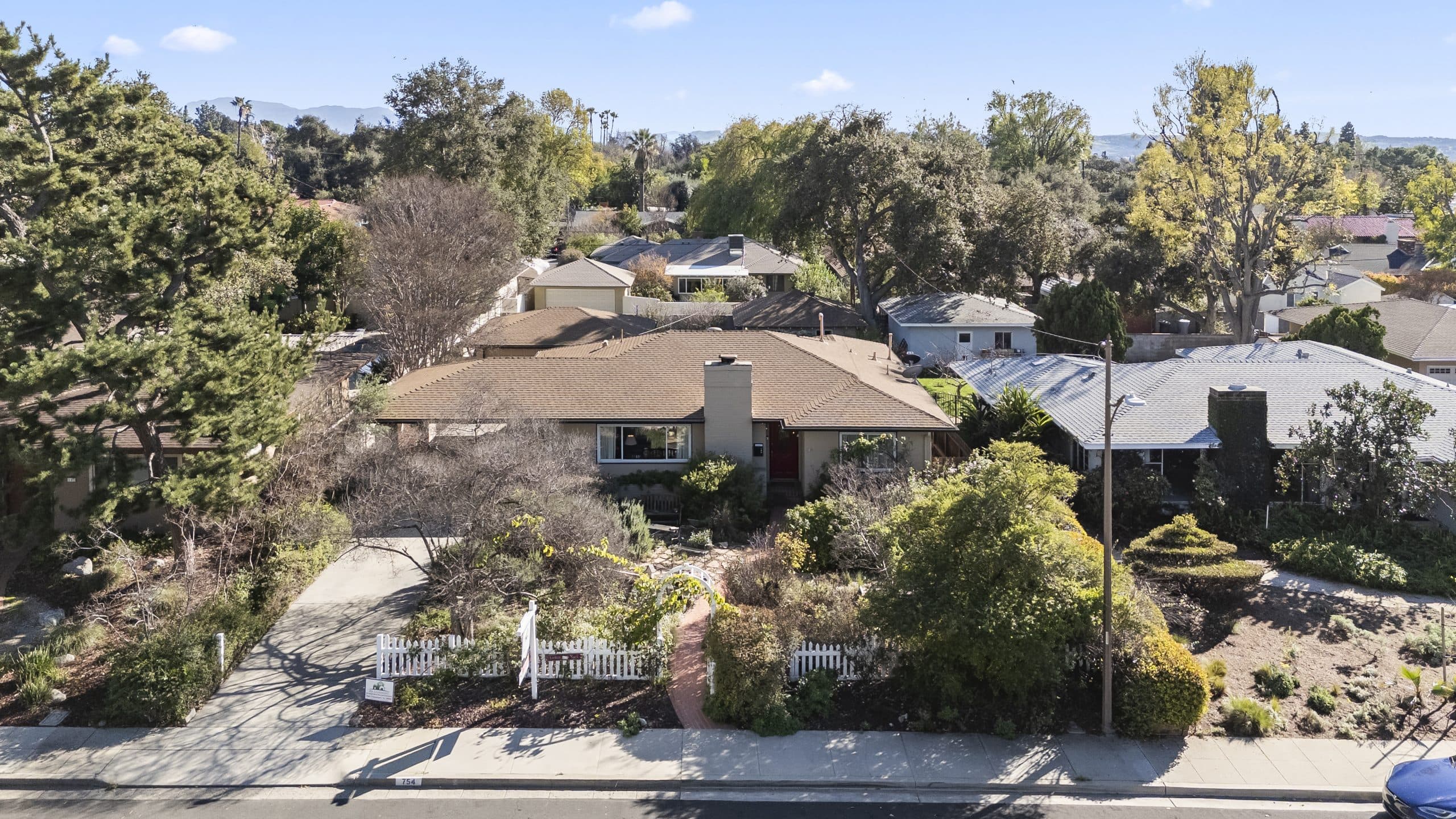
THE APPROACH. How the property is arrived at, the drive, the entry sequence. On an estate property this is a substantial part of the experience and it rarely appears.
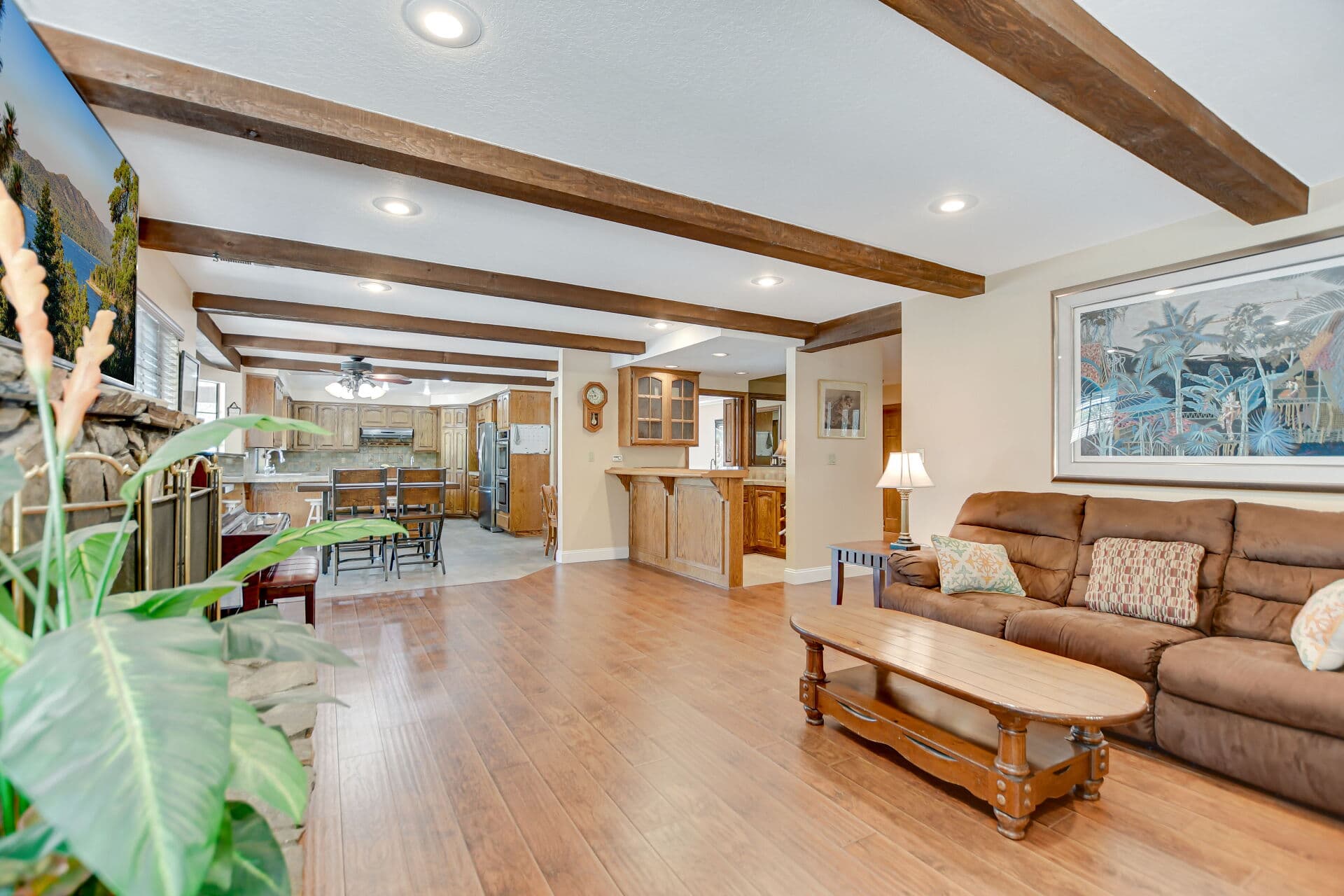
TRANSITIONS. The view from one room into the next. This is how scale is actually communicated, and single-room frames never carry it.
DETAIL. Millwork, hardware, tile, a stair, a window section. On a distinctive house the quality of the making is the argument, and it does not survive a wide shot.
THE GROUNDS AS SPACE. Not one image of a lawn, but the parts of the parcel a person would actually use, and their relationship to the house. The distinction between recorded area and usable area, discussed in the large-lot guide, needs to be visible.
A PLAN. A floor plan is worth several photographs on a large house, because a buyer cannot hold the layout in their head from images alone. It is also the single most useful thing for a buyer touring remotely.
What to leave out
Security detail of any kind: alarm hardware, safe locations, gate mechanics, access points. This is a standing rule for reasons explained in the discretion guide.
The household. Photographs, correspondence, calendars, medications, anything identifying who lives there or what their routine is.
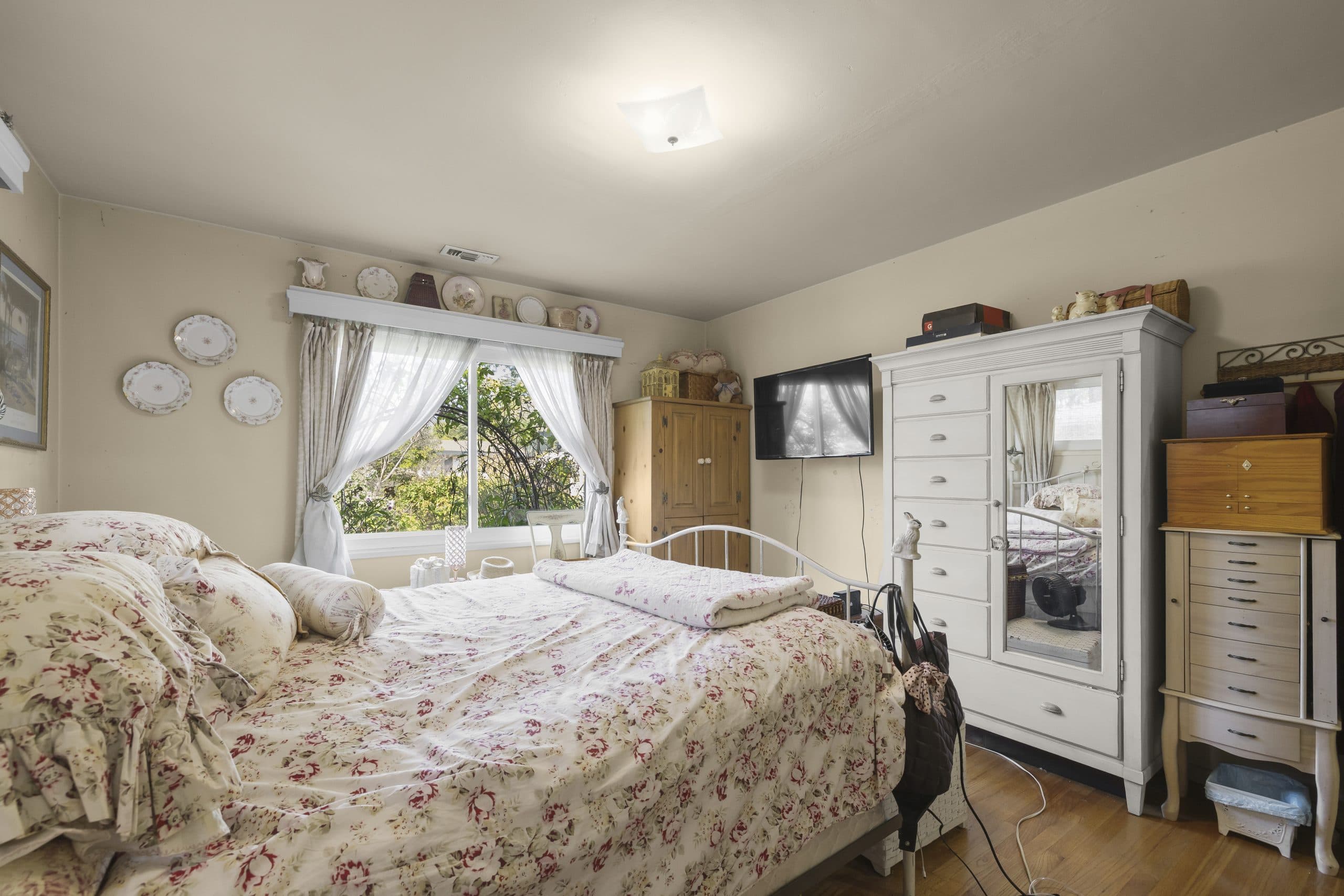
Rooms shot so wide the geometry bends. Better to show fewer spaces honestly.
Staging a large house
Full staging of a big property is a substantial undertaking, and the choice depends on the house. An empty large house reads as cold and its proportions become hard to judge; an over-furnished one reads as someone else's life.
The middle path that generally works is to stage the principal rooms properly, leave secondary spaces clean and simple, and edit the owner's own furniture down rather than replacing it wholesale. On a period house in particular, sympathetic existing furniture usually beats rented contemporary pieces. The stock is described in the historic homes guide.
Whatever is done, the landscape and the exterior maintenance matter more than the furniture. A large property in visibly good order is the argument; cushions are not.
Showing: plan the route
A large house toured at random is confusing, and a confused buyer does not make an offer.
Decide the route in advance and use it every time: approach, entry, principal rooms, private rooms, service areas, then grounds, ending somewhere with the best outlook. Allow far more time than a normal showing, and expect the second visit to be longer than the first.
Have the document file present, not promised. Permits, system ages, tree work, the irrigation map. Serious buyers ask during the tour, and the property that answers immediately feels run rather than merely lived in, as covered in the property operations guide.
Open the house first: lights on throughout including daylight hours, window coverings set, gates working. Nothing undermines a large property faster than a dim room nobody could figure out how to light.
Video and remote viewing
Buyers for distinctive properties frequently begin from a distance, and on a large house that first remote pass decides whether a visit happens at all.
What works is a walkthrough that follows the same route a real tour would, at a walking pace, so the sequence of spaces is legible. What does not work is a fast montage cut to music, which shows a series of pretty fragments and communicates nothing about how the house is arranged.
Pair it with the floor plan. Together they let a serious buyer form an accurate impression, which is the entire point. A buyer who arrives with correct expectations tours as a candidate rather than as a tourist.
The maintenance week before photography
The unglamorous list matters more than the styling. Wash the windows, all of them. Clean the hardscape. Edge and mow. Clear the gutters if they are visible in an elevation. Replace failed exterior lamps and any bulb in the house that is a different color temperature from its neighbors.
Mismatched bulbs are the single most common defect in interior photographs of large houses, and they are free to fix.
Where to go next
For the timeline this preparation sits inside, see the listing timeline guide. Anthony Grynchal has been licensed in California since November 2009.
Frequently asked questions
How many photography sessions does a large house need?
More than one. Rooms are at their best at different hours and the exterior needs its own light, so a single visit produces a uniform set that flatters nothing. A twilight session is worth adding where a view or the lighting design matters.
Should a large house be fully staged?
Usually not fully. Staging the principal rooms properly, keeping secondary spaces clean and simple, and editing the owner's existing furniture tends to work better, particularly in a period house where sympathetic pieces beat rented contemporary ones.
Is a floor plan worth including?
On a large property, yes. Buyers cannot hold the layout in their head from photographs, and the plan is the single most useful item for anyone evaluating the house before they visit or touring it from a distance.

Written by
Anthony Grynchal
Anthony Grynchal is a California real estate professional with eXp Realty, licensed since November 2009 (California DRE# 01873626), and the Designated Local Expert™ for Claremont — where he has lived for more than 33 years.
More about AnthonyPublished · Updated