Old Orchard is one of the Claremont names that tells you about the ground before it tells you about the houses. Much of this city was planted in citrus before it was subdivided, and a number of neighborhoods carry that history in their names. The practical result for a buyer is a pocket with a particular texture: mature landscape, established plantings, and streets whose character was shaped by what was there first.
This guide covers how to read a grove-era pocket, what mature landscape means for an owner, what is worth verifying on former agricultural ground, and how to tour the area so that you learn the things listings never mention.
What a grove-era name records
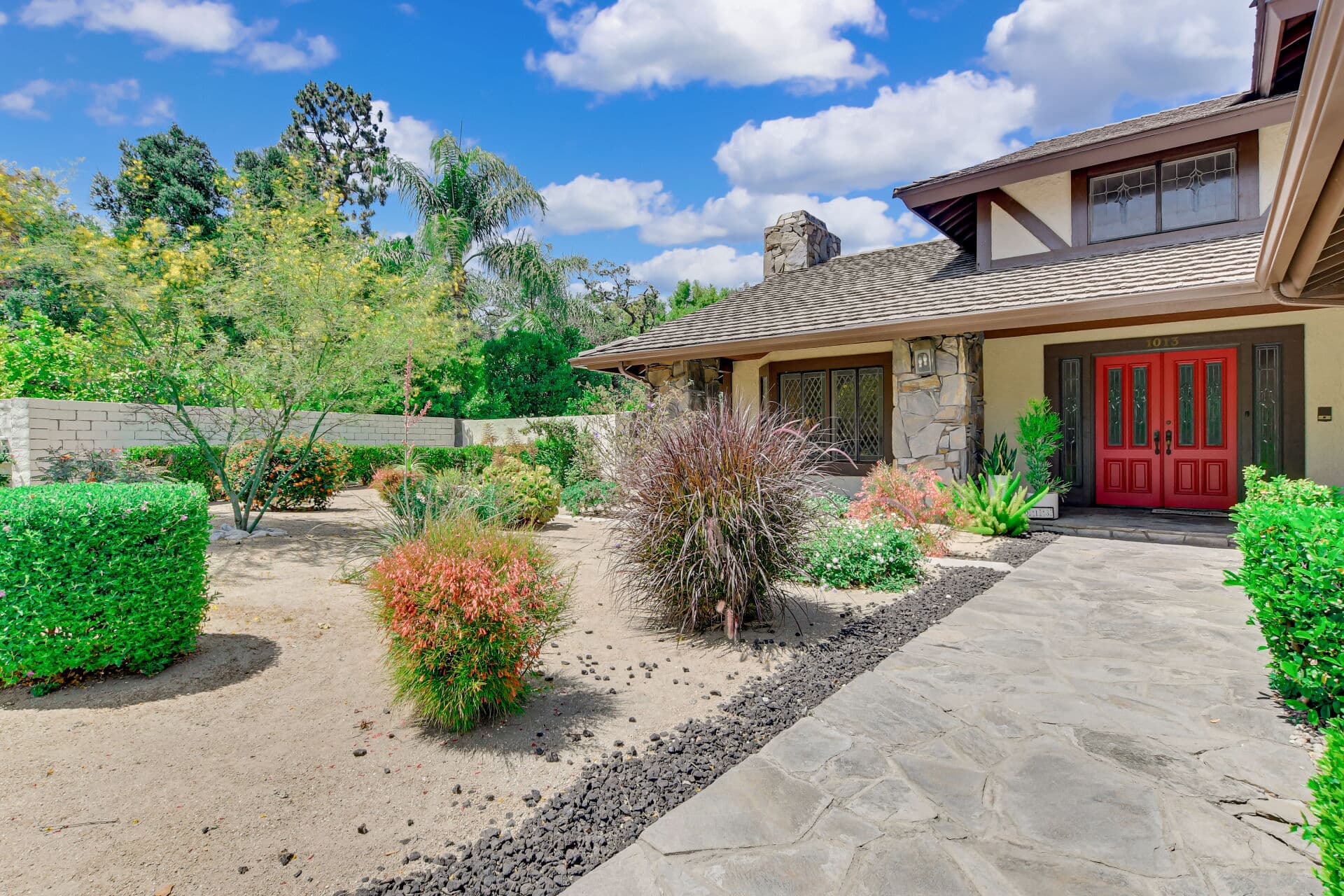
Claremont's citrus period left a durable mark on the city, and the neighborhoods built over former groves inherited some of its features: generous parcel dimensions in places, occasional surviving specimen trees, irrigation patterns that predate the houses, and a canopy that is older than the tract itself in the spots where planting was preserved.
As with every Claremont pocket, the boundaries are conversational rather than recorded. Buyers should treat any neighborhood label as a description and verify the recorded tract for a specific parcel if it matters. Where an association exists, the documents govern.
Mature landscape: the amenity and the bill
The reason people love these pockets is the trees, and the reason mature landscape deserves its own section is that it is the most underestimated recurring cost in Claremont ownership.
- Arborist care. Established trees need periodic professional attention: structural pruning, deadwood removal, and assessment after storms. Ask when the trees were last inspected and by whom.
- Roots and hardscape. Mature roots interact with driveways, walkways, foundations, and sewer laterals. A sewer camera inspection is worth ordering anywhere the canopy is old, not just where the plumbing seems suspicious.
- Irrigation. Older systems fail quietly and expensively. Ask when the system was updated and whether coverage matches the current planting.
- Water use. A mature landscape has a real water demand, and any watering restriction in force applies to it. Plan for the reality rather than the ideal.
- Light and solar. Canopy is a gift in August and a constraint if you intend to put panels on the roof. Decide which matters more to you before you fall for the shade.
Buying on former agricultural ground
Land that grew citrus is ordinary residential land today, and the great majority of transactions on it are unremarkable. Still, a few questions belong in your due diligence, and a competent inspector will not object to any of them.
Ask about the property's history and any prior structures, sheds, tanks, or wells, and whether anything was abandoned in place rather than removed. Ask about grading and fill, because agricultural land is sometimes re-contoured before construction. Ask about drainage patterns, since old irrigation channels can influence how water moves across a site long after they are gone. And read the preliminary title report carefully for easements, which on former grove ground can be older and less obvious than on a conventional tract.
None of that is a reason for concern. It is a reason to ask specific questions in writing and get specific answers, which is exactly how every real estate contingency period should be used.
Daily rhythm
Life in a settled, tree-covered Claremont pocket is quiet and residential. Errands are a short drive unless you are within the historic core rings, and the town's civic life is close enough that its distance is measured in minutes rather than in a decision. The comparison that most often clarifies this trade for buyers is the Village versus North Claremont guide, which sets the two ends of the spectrum against each other.
What the mature streets give you every day is a microclimate. Deep canopy genuinely changes the temperature of a block in summer and changes how much time people spend outside on it. That is not a marketing sentiment; walk a shaded street and an unshaded one on the same warm afternoon and you will feel the difference immediately.
The other daily quality worth naming is privacy. Older plantings and established hedging mean that neighboring houses are often screened from one another in a way newer construction rarely manages, so back yards feel enclosed without needing a wall. That screening is an asset you inherit and an asset you can lose in one weekend if a neighbor removes a hedge or a tree comes down in a storm, so look at what is actually doing the screening on a candidate property, whose land it stands on, and how healthy it is.
How to tour it
Go on a warm afternoon, on foot. That is when the canopy, the yard orientation, and the usable outdoor hours of a property reveal themselves. Walk a full block, not a frontage, and look up as much as you look at the houses.
Then return once in the early morning, which is when you learn about traffic patterns and how the street starts its day. If you can visit after rain, do, because that is when drainage on older ground shows you what it actually does.
Who it fits
It fits buyers who want established landscape, a settled residential street, and a house that sits in a mature setting rather than a new one, and who will genuinely enjoy stewarding trees rather than resenting them. It fits less well for anyone who wants low-maintenance grounds, maximum roof sun for solar, or a brand-new set of systems.
Where to go next
For the citywide map that puts every pocket in context, read Claremont neighborhoods 101, and browse the complete set of area portraits on the Claremont neighborhood guides hub.
Anthony Grynchal has been licensed in California since November 2009.
Frequently asked questions
What does the Old Orchard name refer to?
It records the land's citrus past. Much of Claremont was planted in groves before it was subdivided, and several neighborhoods carry that history in their names along with the mature landscape that came with it.
What extra costs come with mature trees?
Periodic arborist care, root interaction with driveways, walkways, and sewer laterals, irrigation upkeep, and a real water demand. Order a sewer camera inspection anywhere the canopy is old.
Is buying on former orchard land a concern?
Most transactions are unremarkable. Use the contingency period to ask in writing about prior structures, wells or tanks, grading and fill, drainage history, and any older easements shown in the preliminary title report.
Does heavy canopy affect solar panels?
It can. Shade that makes a street pleasant in summer also reduces roof sun. If solar is part of your plan, get a site-specific assessment before you commit to a heavily shaded property.

Written by
Anthony Grynchal
Anthony Grynchal is a California real estate professional with eXp Realty, licensed since November 2009 (California DRE# 01873626), and the Designated Local Expert™ for Claremont — where he has lived for more than 33 years.
More about AnthonyPublished · Updated