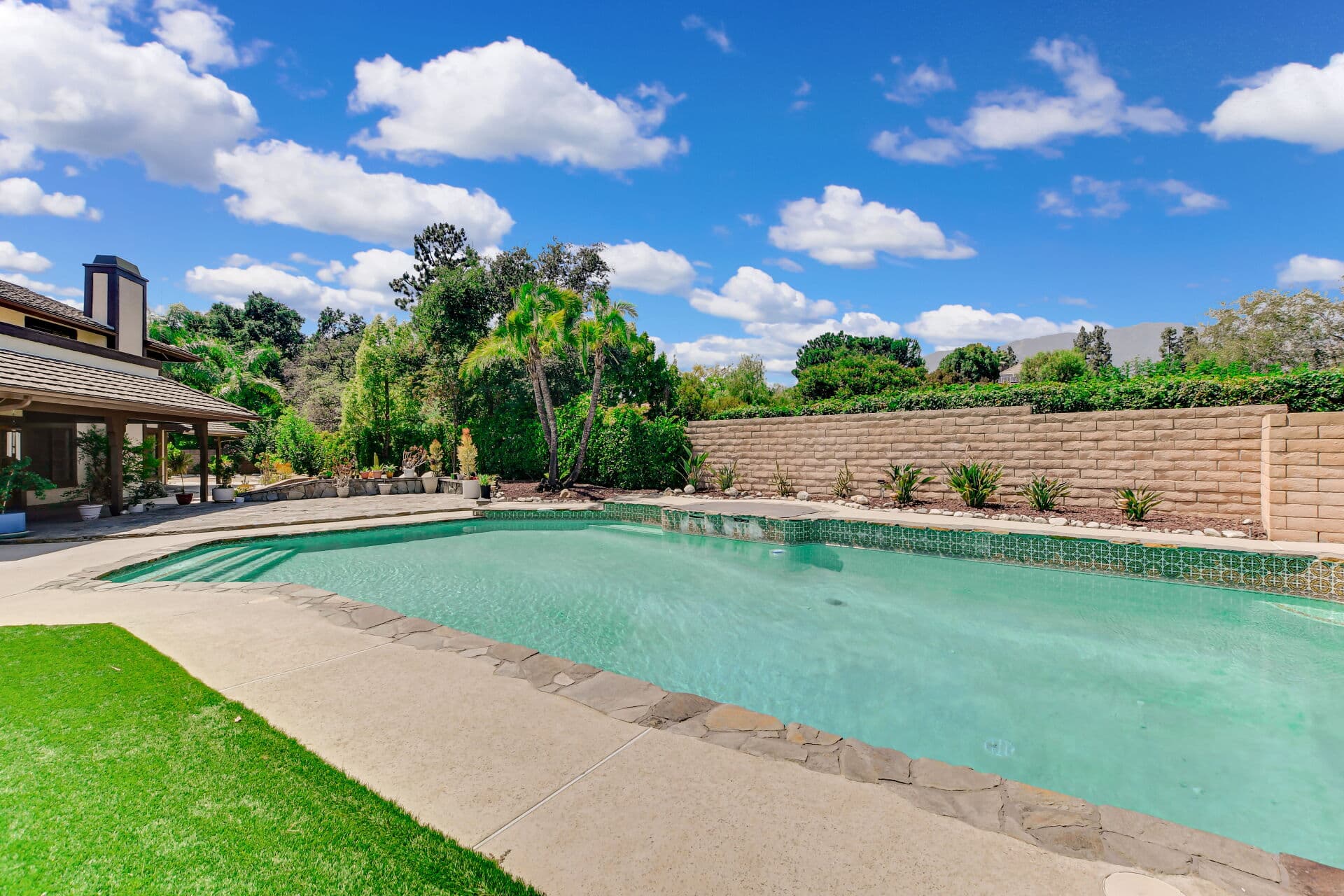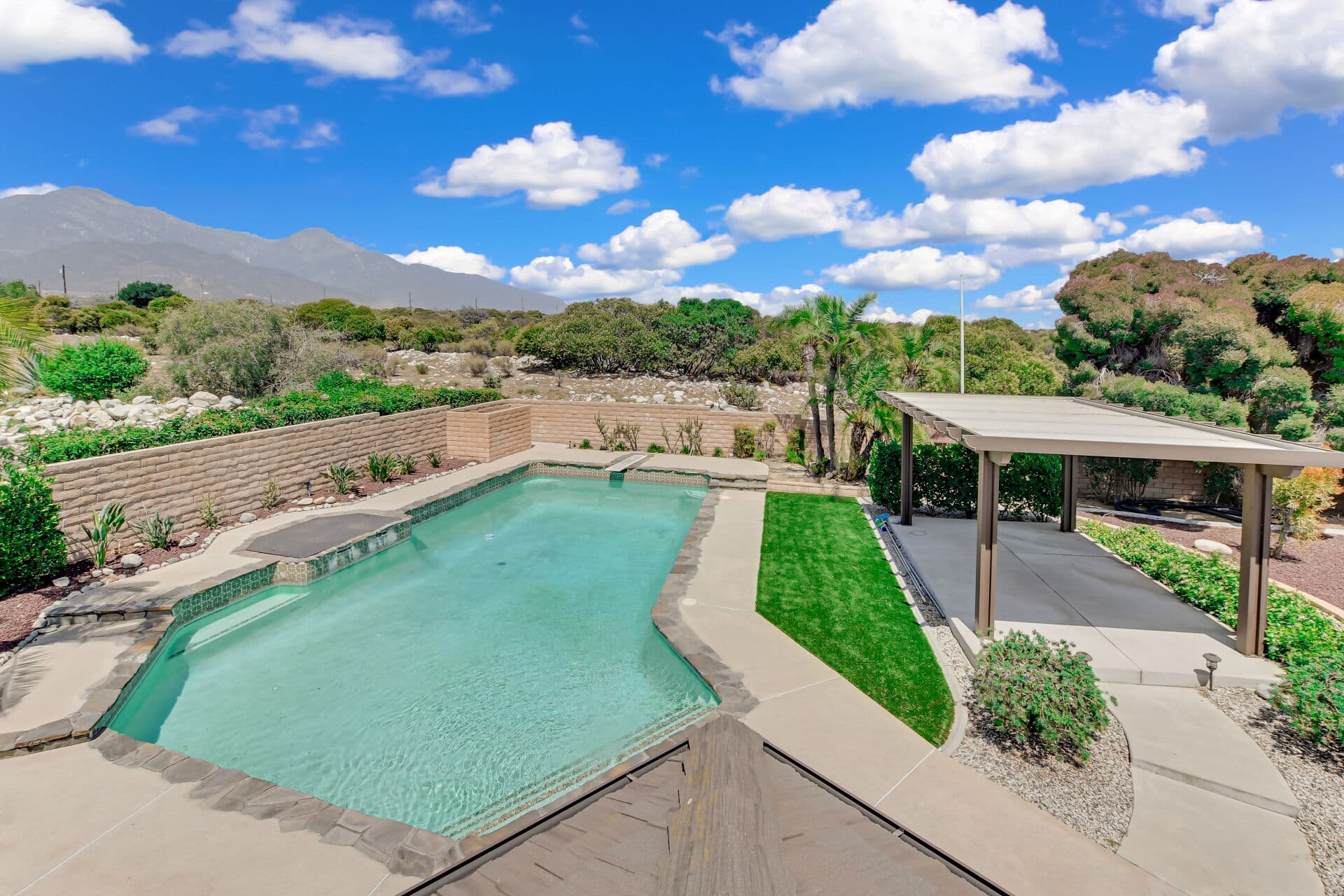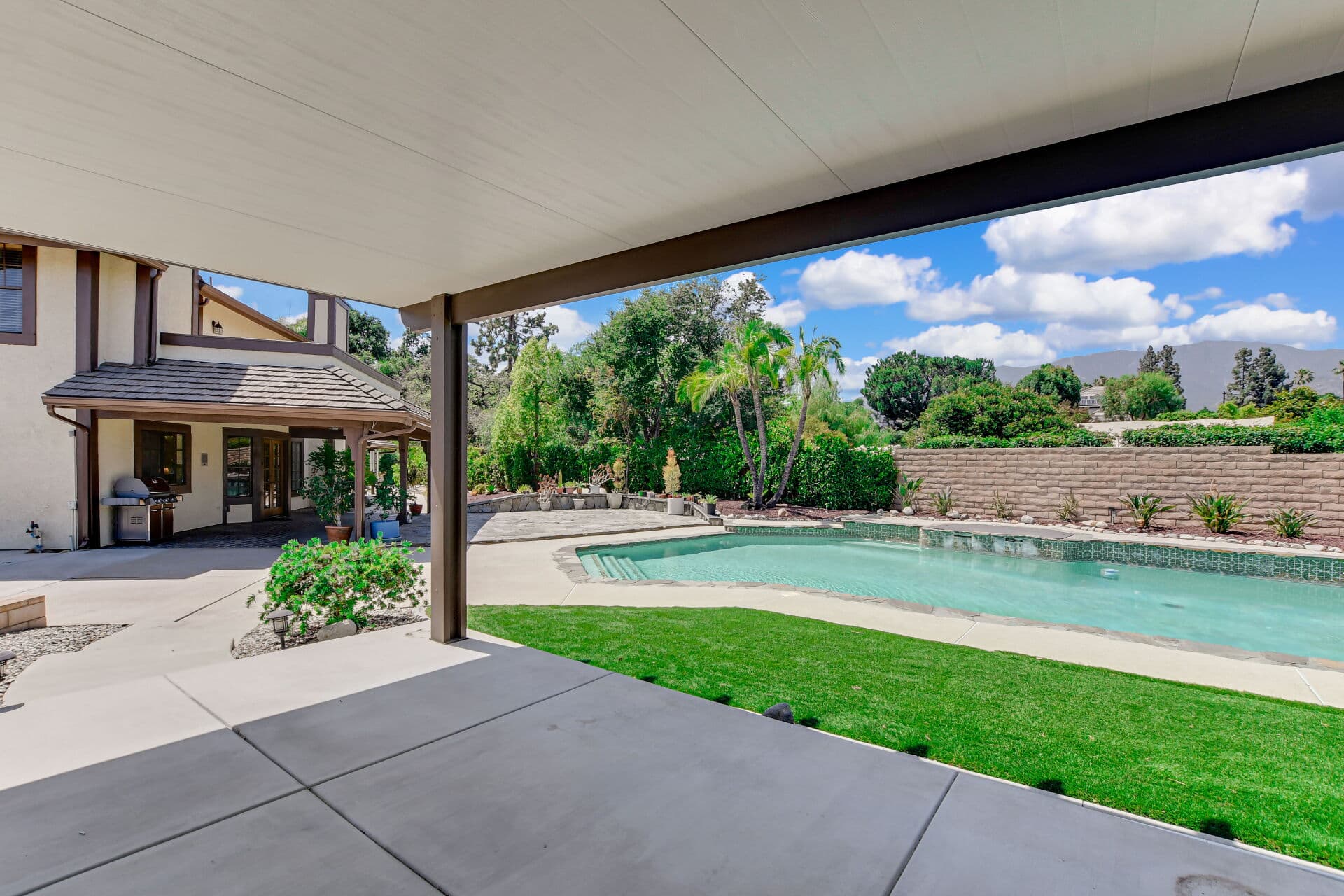
Padua Hills occupies the northeastern shoulder of Claremont, where the city's grid loosens, the streets bend to follow the terrain, and the built environment gives way to the foothills. It is one of the two elevated pockets buyers name unprompted, and it carries a distinct identity: more open, more wooded in places, and further from the town's center than almost anything else with a Claremont address.
This guide covers what living there is actually like: the setting, the housing character, the maintenance profile that comes with foothill land, the access question, and how to evaluate a property properly.
The setting
The defining quality of Padua Hills is edge. You are at the boundary between the city and the open ground above it, and everything follows from that: bigger sky, longer sightlines, real quiet, wildlife that treats your landscaping as a menu, and a night sky the flat part of town cannot offer.
The trade is distance. Everything is a drive, and the drive is longer than it is from the middle of town. For some households that separation is precisely the point and the extra minutes are the price of admission. For others it becomes tiring by the third month. The only reliable way to find out which you are is to drive it repeatedly before you commit, including at the hour you would actually leave for work.
Housing character
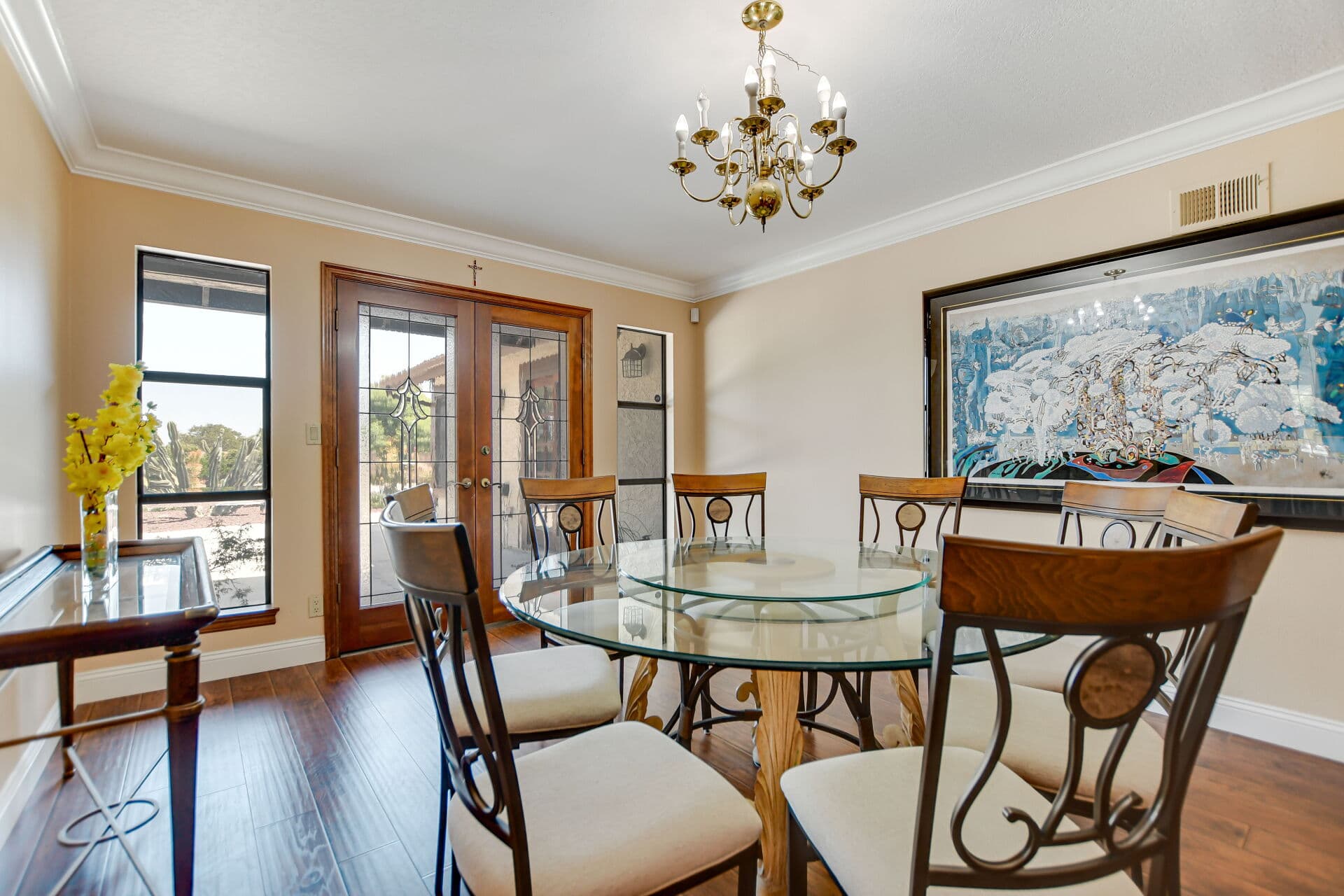
The stock up here skews toward larger lots and toward custom or semi-custom homes rather than repeating tract plans, with individual properties varying widely in era, style, and condition. That variability is the important part: two neighboring houses can be decades apart in construction and in systems, so the area rewards evaluating each property on its own terms rather than assuming a neighborhood-wide standard.
Lot conditions vary just as much. Some parcels are relatively level and easily used; others carry real grade, terracing, or a long approach. Read the parcel before you read the house.
What foothill land asks of an owner
This is the section that decides whether the area suits you, and it is the same discipline that applies anywhere along the top of the city.
- Vegetation management and defensible space. Properties near open ground carry an ongoing responsibility to manage brush and clearance. It is a recurring seasonal task, not a one-time project, and it should be budgeted as such.
- Insurance. Underwriting in foothill locations deserves an early conversation. Ask your broker about a specific address before you are deep into a transaction, so that availability and cost are known facts rather than late surprises.
- Water and drainage. Slopes, culverts, and the path water takes across a property in a heavy rain are structural questions. Ask where it goes and whether any of it is shared.
- Irrigation and mature trees. Large parcels mean real irrigation and real arborist bills. Trees are the area's finest amenity and its least optional expense.
- Utilities and services. On the outer edges, confirm the specifics for the parcel rather than assuming the arrangements that apply in town.
Access, and the honest arithmetic
Access is the recurring theme of foothill ownership. Ask three questions about any property. How long is the approach from the nearest main road, and what condition is it in? How does the driveway behave in wet weather and in the dark? And how far is the nearest freeway on-ramp from the doorstep, measured at a real commuting hour rather than on a Sunday afternoon?
The regional commuting picture from Claremont generally is set out in the Claremont commute guide, and for a foothill property you should add the local approach time on top of every number in it.
Who it fits
Padua Hills fits buyers whose priority is space, quiet, and proximity to open ground, who want a property with individual character rather than a repeating plan, and who will genuinely enjoy being at the edge of the city rather than in it. It fits people who use the outdoors, because the outdoors is what is at the doorstep.
It fits less well for anyone who wants walkable errands, a short trip to the freeway, or the lowest-maintenance version of homeownership. Foothill land is rewarding and it is work, and pretending otherwise would not serve anybody.
It also fits people who plan to stay a while. Foothill properties reward long ownership: the landscape you establish, the drainage you correct, and the access improvements you make all pay back over years rather than seasons. Buyers with a short horizon often find that the work arrives before the benefit does, and that is a fair thing to weigh honestly before making an offer at the top of the city.
How to tour it well
Give it a full loop, and give it two visits. The first should be in daylight with time to drive the connecting roads slowly, because the area's character changes noticeably from one segment to another. The second should be after dark, when you learn what the roads are like unlit and how far the nearest anything really is.
Walk each candidate parcel to its boundaries. On a large lot, the difference between what you own, what you maintain, and what you merely look at is not obvious from the driveway, and it matters enormously to your workload. Ask about the survey, and about any easements crossing the property, before you fall in love with the view.
Where to go next
If you are choosing between the city's two elevated pockets, the Claraboya versus Padua Hills comparison sets the two side by side on the terms that actually differ. The full index of area guides is on the Claremont neighborhood guides hub.
Anthony Grynchal has been licensed in California since November 2009.
Frequently asked questions
Where is Padua Hills?
It is the northeastern foothill area of Claremont, where the street grid loosens and the city meets the open ground above it. It sits farther from the town center than most Claremont addresses.
What are homes in Padua Hills like?
The stock skews toward larger lots and custom or semi-custom homes rather than repeating tract plans, and properties vary widely in era, style, grade, and condition. Evaluate each parcel and house on its own terms.
What ongoing maintenance should I expect near the foothills?
Seasonal vegetation management and defensible space, irrigation and mature-tree care, drainage and any slope structures, and a careful early conversation with an insurance broker about the specific address.
How far is Padua Hills from the freeway?
Farther than the flatter parts of town, and the local approach road adds time on top of the citywide commute picture. Drive the route from a candidate doorstep at your real departure hour before deciding.

Written by
Anthony Grynchal
Anthony Grynchal is a California real estate professional with eXp Realty, licensed since November 2009 (California DRE# 01873626), and the Designated Local Expert™ for Claremont — where he has lived for more than 33 years.
More about AnthonyPublished · Updated