Blaisdell Ranch is another of the Claremont pocket names that carries more information than it first appears to. Ranch names in this city usually record what the land was before it was houses, and they now describe a cluster of streets that were developed together and still read as a unit: one broad era, one street logic, one prevailing lot pattern.
For a buyer, that is genuinely useful shorthand. This guide explains how to read a pocket like this one, what the built form implies about ownership, the questions worth answering before you write an offer, and how to tour it so that you learn something a listing photograph cannot tell you.
What the name is telling you
Claremont grew outward across ground that had been groves and ranches, and the names stuck to the neighborhoods that replaced them. A ranch name therefore usually signals a defined development area rather than a vague quadrant, which is why local agents and long-time residents use these terms in preference to compass directions.
The caution is constant across the whole city and worth repeating on every pocket page. Boundaries are informal, edges are disputed, and no marketing label is a record. If a parcel's membership in a pocket matters to you for any reason, verify the recorded tract for that specific address. And where an association exists, the governing documents, budget, and reserve study are the authority, not the neighborhood's reputation or a neighbor's summary.
Built form and what it implies
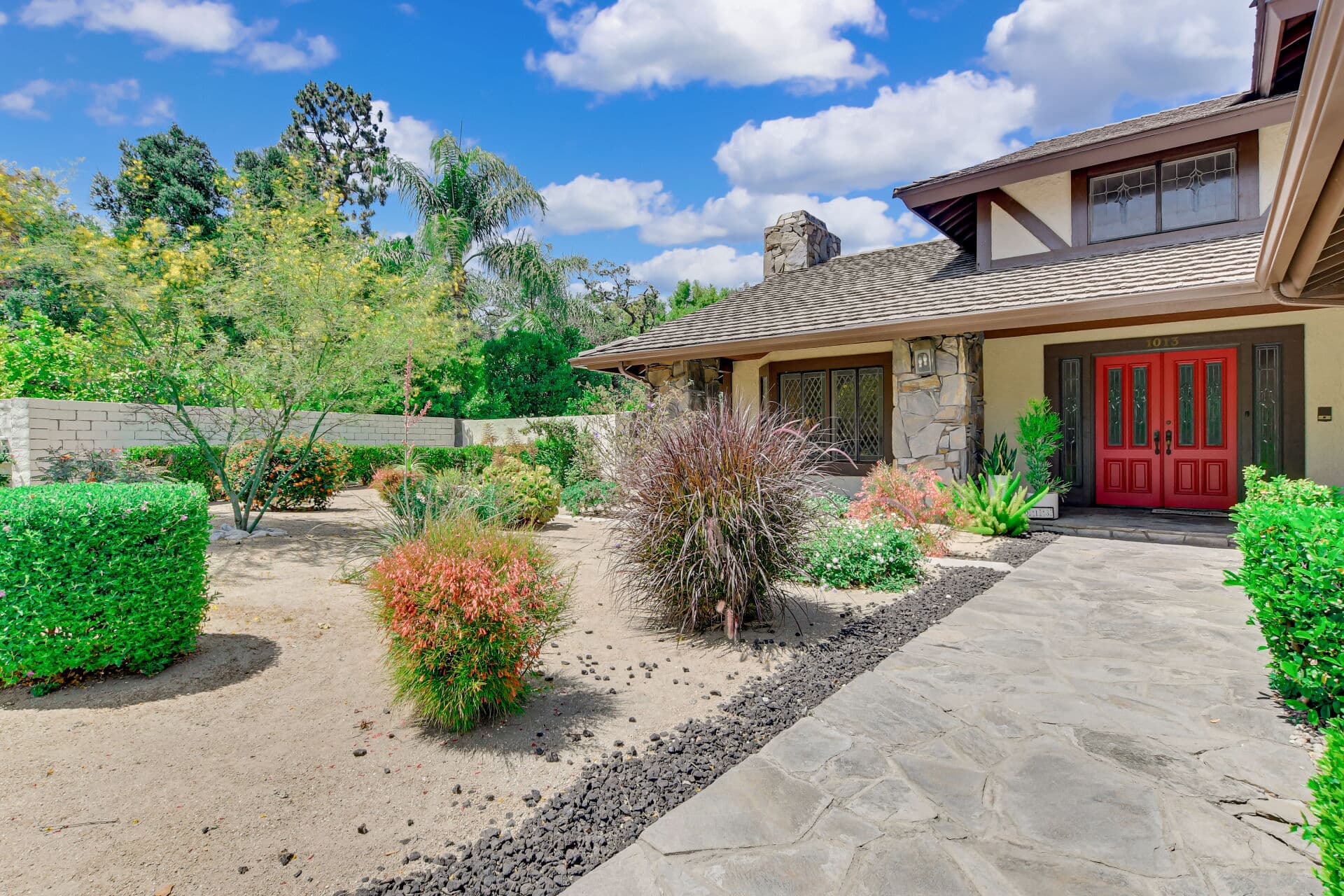
Read the street before you read the house. In a Claremont ranch pocket you are typically looking at a coherent set of homes: consistent setbacks, a shared architectural vocabulary, garages oriented the same way, and street trees of similar maturity because they went in together.
The ownership implications are practical. Comparable sales in a coherent pocket really are comparable, which makes pricing more legible for both buyers and sellers. Remodeling precedent is visible: walk the street and you will see which additions and which elevations the area supports. And systems age on a similar clock across the tract, so what the neighbors have already replaced is a reasonable forecast of what you will replace.
The other side of coherence is that the pocket is unlikely to hold a genuinely unusual house. If uniqueness is the point of your search, the custom tier along the foothills is where to spend your time; the North Claremont guide covers how that tier is arranged.
Street character and daily rhythm
Interior residential streets in this part of the city typically carry low through traffic, and that quiet is the quality residents mention first. It is also invisible in a listing, so measure it yourself: stand on the block at a weekday evening hour, then walk to the nearest arterial and time the distance. Convenience at the corner is noise in the bedroom, and the two are the same fact viewed from different rooms.
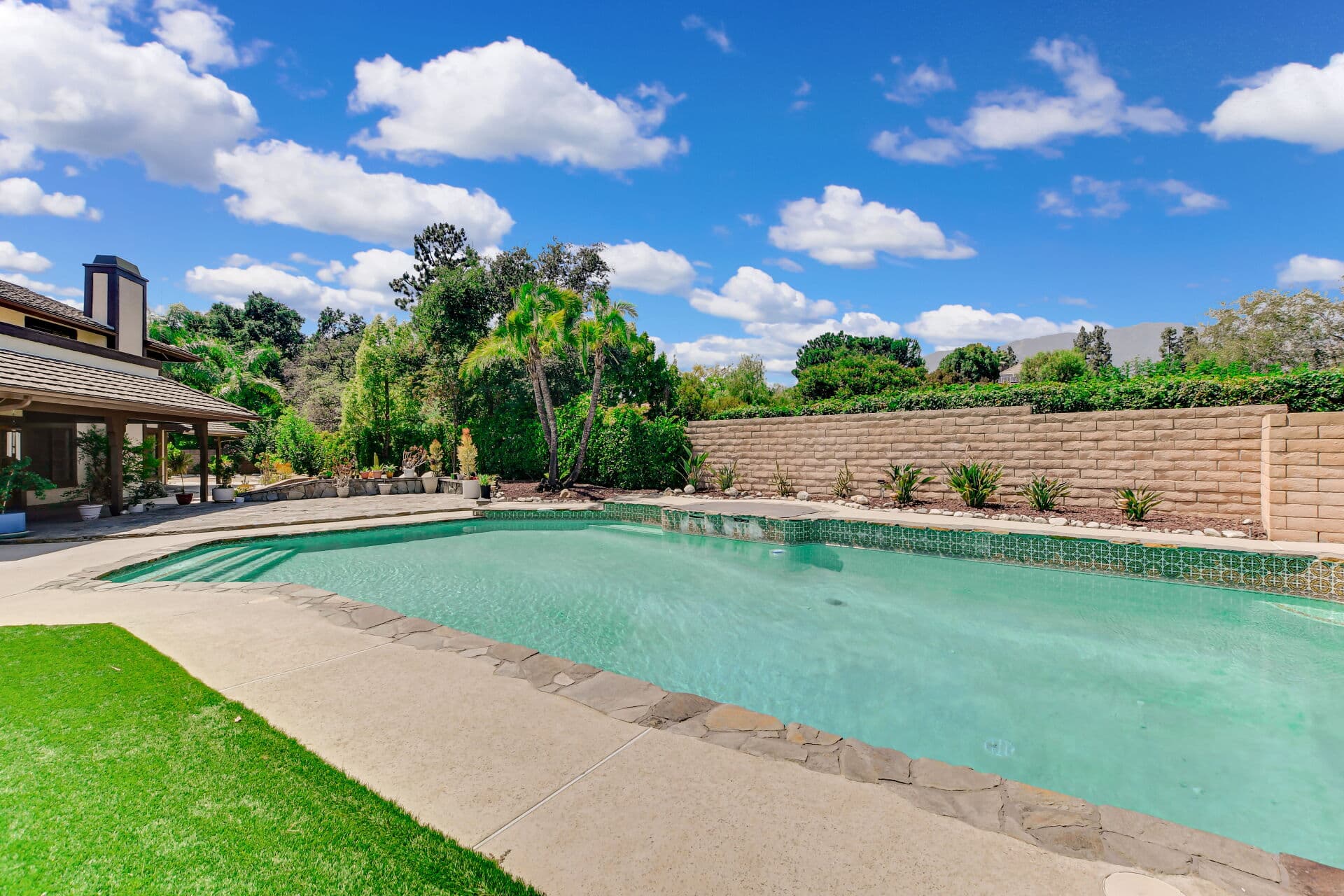
Yard orientation is the second daily variable. Which way the back yard faces determines whether it is usable on a warm afternoon, and that single fact separates two otherwise identical properties. Look also at lot depth, at whether the rear boundary abuts another yard or a road, and at how the property handles a heavy rain.
Errands are a short drive from most Claremont pockets outside the core, and that includes this one. The daily route to the Village, to the freeway, and to open space is worth timing before you narrow your search, using the one-day touring road map to structure the loop.
Before you write an offer
- Association documents, if one exists: what is maintained, what is restricted, the budget, and the reserves.
- Permits for any addition, conversion, patio structure, or pool. Anything newer than the original house deserves the question.
- Systems benchmark: roof, sewer lateral, panel capacity, HVAC, compared with what the street has already replaced.
- Drainage and grade, especially for a lot sitting low relative to its neighbors.
- School attendance, confirmed for the specific address with Claremont Unified in writing, because assignment follows district boundaries rather than neighborhood names and can change.
How to tour it
Drive the pocket end to end first. Coherent neighborhoods declare themselves quickly, and fifteen minutes will tell you whether the lot sizes, street pattern, and level of upkeep are what you want. Only then look at houses.
Come back on foot in the late afternoon and walk a full block rather than a frontage. Look at roofs, windows, paint, and landscaping across every property, not just your target, because the trajectory of the street is the thing you are buying into. Then drive your real commute from the doorstep at your real departure hour, in both directions.
Who it fits
It fits buyers who want a settled, coherent residential street with a usable lot and a predictable maintenance profile, and who value legibility over singularity. It fits less well for buyers who want to walk to the Village daily, who want a period house with original detail, or who want elevation and a view. Claremont offers all three; they are simply in other parts of town.
Where to go next
For the citywide map that places every pocket in context, read Claremont neighborhoods 101. The full index of area portraits, comparisons, and buyer questions lives on the Claremont neighborhood guides hub.
Anthony Grynchal has been licensed in California since November 2009.
Frequently asked questions
What is Blaisdell Ranch?
It is one of Claremont's named residential pockets. Ranch names in this city generally record the land use that preceded the houses and now describe a cluster of streets developed together, with a shared era and street pattern.
Are Claremont ranch pocket boundaries official?
No. They are informal and disputed at the edges. If membership in a pocket matters for your purchase, verify the recorded tract for the specific address rather than relying on a listing label.
How do I judge a street before buying?
Walk a full block in the late afternoon and read roofs, windows, paint, and landscaping across every property. Stand on the street at a weekday evening hour to gauge through traffic, and time the walk to the nearest arterial.
What maintenance should I plan for?
In a coherent tract, systems age on a similar clock. Ask what neighbors have recently replaced, roofs, sewer laterals, panels, water heaters, and assume the same schedule applies unless the seller can document otherwise.

Written by
Anthony Grynchal
Anthony Grynchal is a California real estate professional with eXp Realty, licensed since November 2009 (California DRE# 01873626), and the Designated Local Expert™ for Claremont — where he has lived for more than 33 years.
More about AnthonyPublished · Updated