
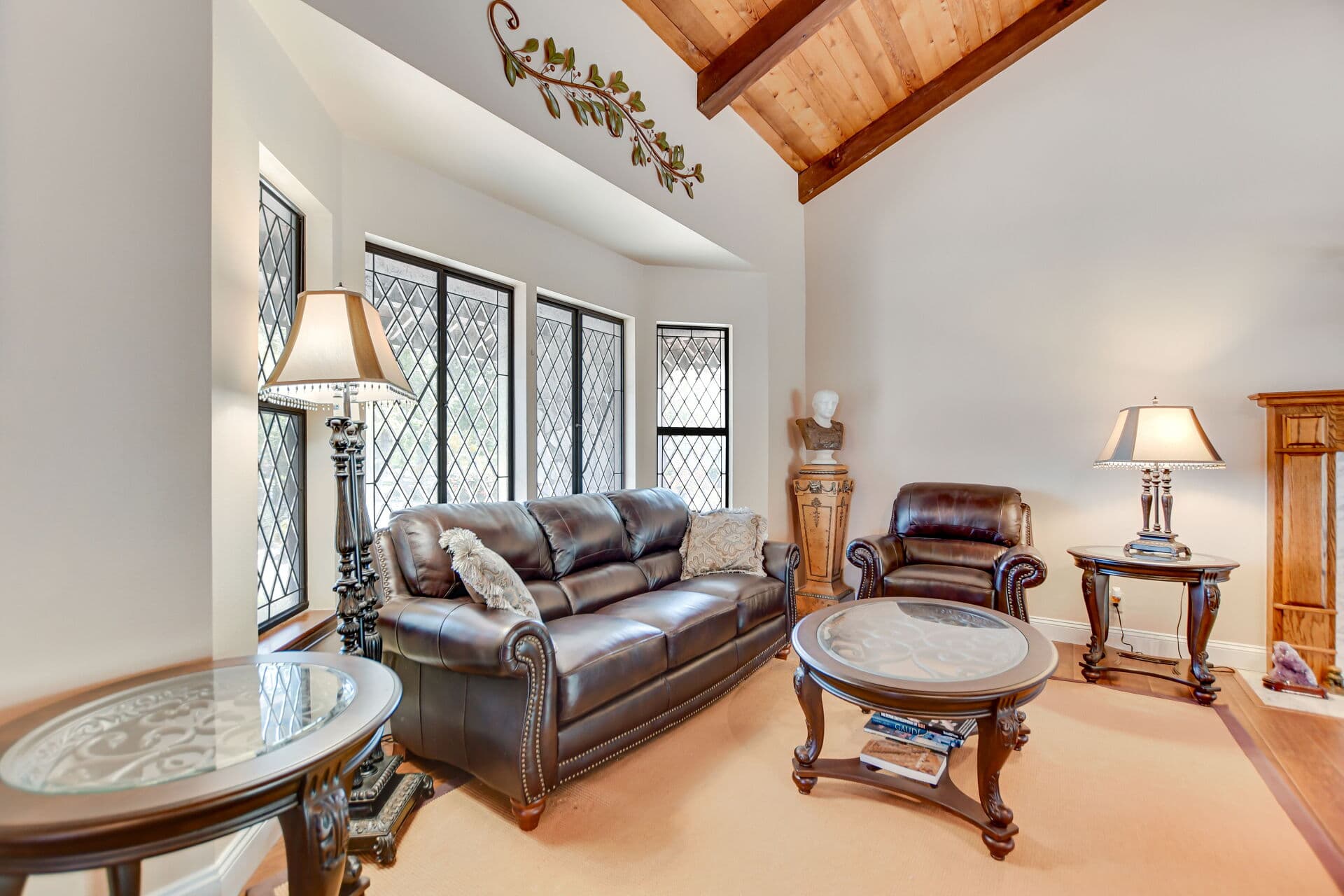
On weekend afternoons, Claremont performs a small ritual. Signs sprout at the corners, doors stand open behind them, and a procession moves through the town's living rooms: serious buyers with a route planned, couples a year from ready, neighbors who have wondered about that house for a decade, and somewhere among them, usually, me, either hosting or watching how a listing is being handled. The open house is one of real estate's oldest tools and one of its most misunderstood, oversold by some agents as the thing that sells the home, dismissed by others as theater, and rarely explained honestly to either side. This page is the whole subject from both chairs: how buyers can use the open-house circuit well, how sellers should think about opens, prepare for them, and protect themselves during them, and what an open actually measures, which is more interesting than most people suspect.
I am Anthony Grynchal, Mr. Claremont, licensed in California since November 2009, and I have spent more Sunday afternoons standing in other people's dining rooms than I could count. The view from behind the sign-in table is the view this page is written from.
The Sunday circuit: a Claremont tradition
Every town has open houses; Claremont has a circuit. The compactness of the town makes it possible to see a meaningful slice of the weekend's inventory in an afternoon, and a real culture has grown around that fact: buyers plan routes from the walkable core out to the foothills, families fold a tour or two into the farmers-market morning, and the same faces recur week after week, because in a market where good homes are scarce, the serious buyers stay in motion even when nothing listed is quite right. For a newcomer, the circuit is the fastest education this market offers, a few weekends of touring teaches what each neighborhood's prices actually buy better than any amount of scrolling. For sellers, the circuit means an open here reliably draws bodies. What the bodies mean, and what they are worth, is the subject of the rest of this page. Rain, for what it is worth, is no reason to skip a Sunday: thin-weather opens draw the serious, and both sides learn more from a quiet room than a crowded one.
For buyers: touring like a professional
The difference between browsing an open house and working one is intention. Go in knowing what the home is asking and what else nearby has asked recently, so your reaction has context. Then look past the staging, which exists to be looked at, toward what the afternoon actually lets you evaluate: how the light behaves at that hour, what you hear with the windows closed and the front door open, how the rooms connect when full of strangers, where the lot's privacy really comes from, what the street feels like on the walk from the car. Ask the hosting agent real questions, how long the home has been on the market, whether offers are in hand, what the sellers' timing looks like, and listen as much to how the answers come as to their content. Note what is conspicuously fresh, new paint or flooring in one room can be maintenance or can be concealment, and an inspection later will tell you which. The manners and moves of touring, what to do, ask, and never say inside someone's home, get their own full treatment in the Claremont open house etiquette guide, and the wider purchase process the tour feeds into is mapped in the Claremont buying guide.
Open houses as research, long before you are ready
Here is a permission slip some buyers seem to need: you are allowed to tour open houses before you are ready to buy, and you should. The circuit is the best neighborhood-research tool Claremont offers, a way to stand inside the difference between the historic core and the foothill tier, to calibrate what prices mean here, and to discover your own actual preferences, which survive contact with real kitchens about half the time. Buyers a year out from purchase who tour steadily arrive at their first offer already fluent, which shows in the quality of their decisions and the speed of their confidence. The deciding framework those tours feed, how to weigh Claremont's neighborhoods against your life, lives in the Claremont neighborhood decision guide, and first-timers building the whole skill set from zero should start with the first-time buyer's path. One courtesy while you learn: be straightforward that you are early in the process if asked. Hosting agents genuinely do not mind, early buyers are next year's clients, and honesty keeps the afternoon comfortable for everyone. Bring a notebook or use your phone between houses: three weekends in, the homes blur, and notes are what turn touring into knowledge.
For sellers: what an open is actually for
Now the seller's chair, and the honest version of a question agents tend to answer with folklore: do open houses sell homes? Directly, sometimes, occasionally the eventual buyer does first walk through on a Sunday. But holding an open expecting that outcome misunderstands the tool. What an open reliably does is concentrate exposure: it puts a week's worth of showings into an afternoon, lets buyers who would never book a private appointment experience the home, gets the neighbors talking, and, handled well, builds the sense of activity that supports a strong negotiating position. What it cannot do is repair a wrong price or a poor presentation, an open house amplifies whatever the listing already is. Preparation is the same discipline as preparing to list, compressed: the home clean and bright, personal clutter thinned, every light on, the entry sequence considered, because first impressions at an open are formed in the doorway. Whether to hold one at all is a strategy call, made listing by listing, some homes and some situations are better served by appointment-only showings, and at the top of the market invite-only formats exist for good reason, as covered in the Claremont luxury homes guide. The full listing strategy an open belongs to is mapped in the Claremont selling guide.
Formats vary more than most sellers realize, and the variations are tools. A broker's open, held for local agents rather than the public, puts the home in front of the people who each carry a pocketful of buyers. Twilight opens trade the Sunday crowd for golden-hour light, which flatters certain homes, west-facing yards and view lots especially, in ways midafternoon cannot. And the first open of a listing's life matters most: it lands while the market's attention is freshest, which is why the preparation should be finished before it, not perfected after it.
Security and privacy, on both sides of the door
An open house invites strangers into a home, and pretending that carries no risk serves nobody. Sellers: before the first visitor, remove or lock away the things that should never be browsable, jewelry, medications, financial documents, mail, spare keys, and anything with your family's names and schedules on it, and thin the personal photography, less because of risk than because buyers see the house better without you in it. A well-run open is actively hosted, not passively left open, visitors greeted, the flow watched, rooms never left to wander unattended, and that is a standard worth requiring of whoever holds yours. Buyers have a privacy question of their own: the sign-in sheet. Understand it honestly, sign-ins serve security, which is legitimate, and lead generation, which is commerce, and if you are already represented, saying so plainly on the sheet is both honest and effective. Courtesy runs both directions: a host who respects your time and a visitor who respects the home make the whole ritual work.
What an open actually measures
Here is the professional insight I wish more sellers were given: an open house is an instrument, and what it measures best is the market's honest reaction to the price. Reading one is pattern work. Strong traffic with long visits, repeat visitors, and questions about offer timing reads very differently from strong traffic with short polite loops and questions about why the sellers are moving; the first pattern says the price is in range, the second says buyers are curious about the house but not persuaded by the number. Silence, thin traffic on a well-marketed home in this town, is itself information. After every open I host, the sellers get the same debrief: who came, what they asked, how long they stayed, and what the pattern suggests, because two or three honest weekends of that signal, read against the logic in the Claremont home values guide, tell a seller more about their price than any argument in a listing appointment ever could. Used this way, the open is not theater at all; it is the market speaking, in person, politely, and it rewards the seller willing to listen.
If you are a buyer, I will see you on the circuit, come say hello. If you are a seller weighing how your home should meet the market, opens included or not, call me at (909) 731-5374 for a listing consult, and I will show you exactly how I run one and what you will learn from it.
Frequently asked questions
Do I need an appointment to visit a Claremont open house?
No, that is the point of the format: during posted open hours the home is open to walk-ins, no appointment or agent required. Simple courtesies apply, greet the hosting agent, follow any house rules like shoe coverings, keep children close, and never open closed doors or drawers beyond what is clearly being shown. If you are already working with an agent, mention it when asked. Touring before you are ready to buy is normal and genuinely useful, and hosting agents expect it.
Do open houses actually sell homes in Claremont?
Sometimes directly, the eventual buyer does occasionally walk in on a Sunday, but that is not what the tool reliably does. An open house concentrates a week of exposure into an afternoon, reaches buyers who would never book a private showing, and builds visible activity around a listing. Just as important, it measures the market's reaction to the price: traffic patterns and the questions visitors ask are honest pricing feedback. What an open cannot do is rescue a wrong price or a poor presentation.
How should I prepare my Claremont home for an open house?
Two tracks: presentation and security. Presentation is the listing discipline compressed, clean and bright throughout, personal clutter thinned, every light on, the entry welcoming, because impressions form in the doorway. Security means removing or locking away anything that should not be browsable: jewelry, medications, financial documents, mail, spare keys, and items showing your family's names and routines. Then require that the open be actively hosted, visitors greeted and the flow watched, rather than the house simply left open.
Do I have to sign in at an open house?
Practices vary by listing. Sign-in sheets serve two purposes: security, a record of who entered the home, which is legitimate and protects the seller, and lead generation for the hosting agent, which is commerce. If you are already represented by an agent, writing that on the sheet is the honest and effective answer, and it typically ends any follow-up marketing. If a listing requires sign-in for entry, treat it as the host's house rule; how much contact information you share beyond that is your call.

Written by
Anthony Grynchal
Anthony Grynchal is a California real estate professional with eXp Realty, licensed since November 2009 (California DRE# 01873626), and the Designated Local Expert™ for Claremont — where he has lived for more than 33 years.
More about AnthonyPublished · Updated