Every relocation guide that quotes a commute time is doing you a disservice, including the ones that sound authoritative. Travel times in this region depend on the day, the hour, the direction, the incident report, and the specific on-ramp, and a number written last year describes a road that no longer exists in that state. What an article CAN do is teach you how to measure your own, which is the only number that matters.
That is the subject here. It deepens the relocation guide and pairs with the remote neighbourhood guide, since commute testing is the part of remote house hunting that people skip and then regret.
The geography, without numbers
Some structural facts, all verifiable and none of them a duration.
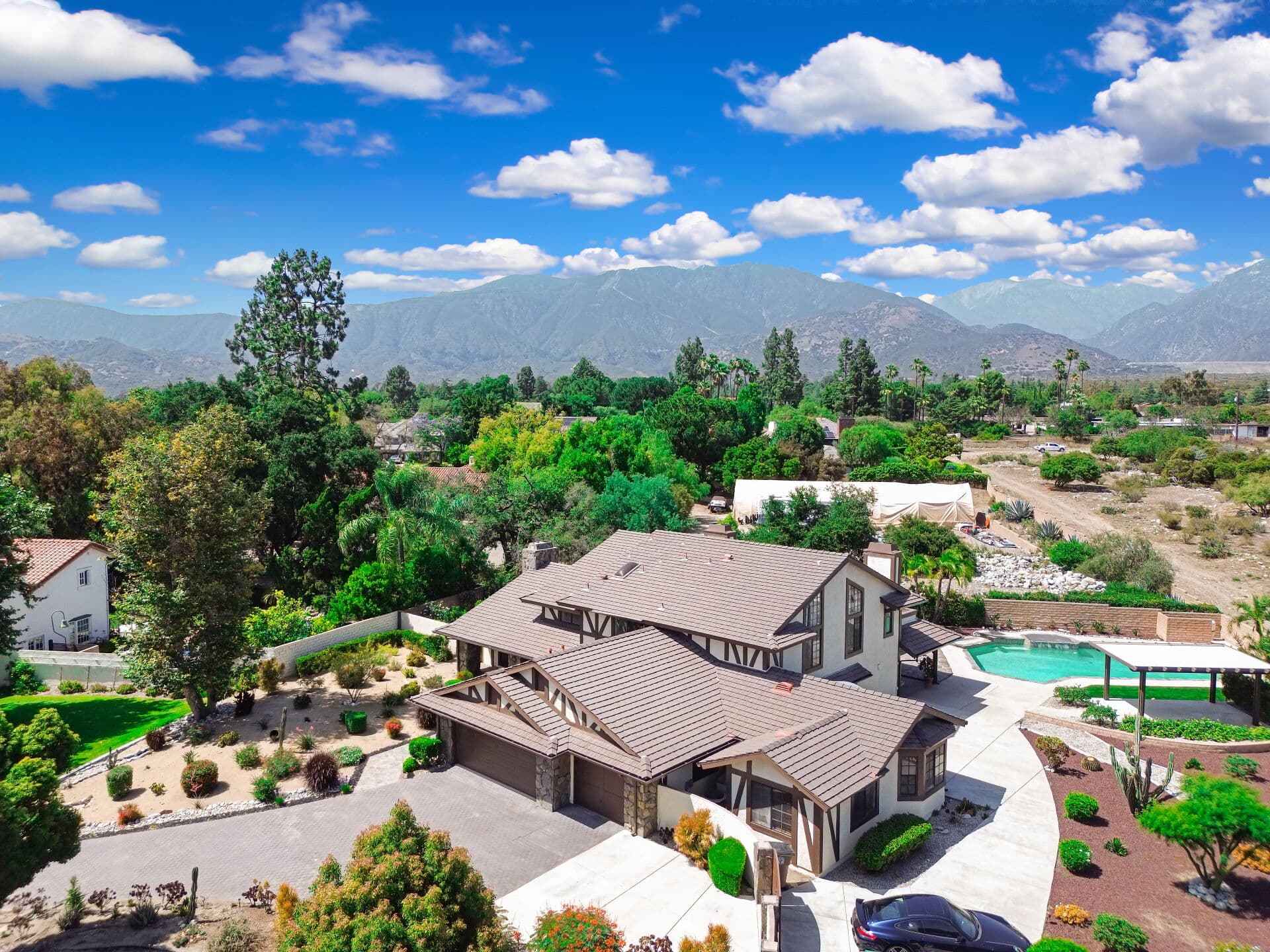
Claremont sits at the eastern end of the San Gabriel Valley, against the Los Angeles and San Bernardino county line, with the San Gabriel Mountains to the north. That position means the town is oriented between two regional systems: westward toward Los Angeles, eastward toward the Inland Empire.
The freeway access is east-west. The main corridors serving the town run in that axis, which is a genuinely important structural point: travel across the valley is well served, while travel north or south is a different proposition because the mountains close the north and the routes south are slower surface and connector journeys. If your workplace is due south, do not assume the drive resembles an equivalent distance east or west.
There is rail at the depot in the Village, with regional service running along the same east-west axis. Rail here is a scheduled service rather than a frequent one, so it suits a predictable weekday pattern and suits an irregular schedule far less. Check current timetables and fares with the operators directly.
And there is a genuine on-ramp effect. Which part of Claremont you live in changes how long it takes to REACH the freeway, and on a bad morning that first segment can be a meaningful share of the trip. Two houses ten minutes apart on foot can have noticeably different mornings.
The measurement method
Here is the protocol worth running before you commit to an address. It costs a few hours and it settles a question you otherwise carry for years.
1. Drive it at the real hour, in the real direction. Not at midday. Not on a Sunday. Leave at the time you would actually leave, from the actual address or its block, and go to the actual workplace. The reverse trip in the evening is a separate measurement, because congestion in this region is directional and the two legs frequently differ.
2. Do it more than once, and note the WORST case. An average commute is a fiction you never experience; you experience individual mornings. Two or three samples on different weekdays give you a range, and the top of the range is the number your life will actually be organised around.
3. Use live routing to sample the days you cannot drive. Mapping tools will estimate travel for a specified future departure time using historical patterns. Check several weekday departure times across a week from the specific address. It is not a substitute for driving it, but it is a good way to find out whether the day you drove was typical.
4. If rail is a candidate, do the whole journey. Not the train time. The whole journey: walk or drive to the depot, park or be dropped, wait, ride, and then complete the trip at the other end. That last segment is where rail commutes are won or lost, and it is the one people forget to test.
5. Test the second commute too. If two people in the household work, both trips constrain the address, and an address that suits one beautifully can be poor for the other. That is a housing decision as much as a career one, and it belongs in the second earner discussion.
6. Test the non-work trips. School drop-off, a regular medical appointment, the airport run. These recur, and they run at different hours than the commute does.
Weigh it honestly against how often you do it
The most common commute mistake is not misjudging the time; it is misjudging the FREQUENCY. A household that organises a purchase around a five-day drive and then settles into a two-day hybrid pattern has optimised for a trip they rarely make, usually by giving up something they use daily.
So ask the question directly: how many days a week will this actually happen, and is that likely to hold for the next several years? If the answer is two, then a longer commute is a much smaller cost than it looks, and other things, the street, the walk, the room count, deserve the weight instead. The remote work guide covers the situation where the answer is close to zero, and the second-year guide records how often this specific priority gets revised downward.
What to check on the specific block
- How long to the nearest on-ramp at the real morning hour, not the map distance.
- Which direction the traffic runs past the house in the morning, since a block used as a cut-through is a different property at eight than at eleven.
- Whether the freeway is audible with the windows open, which varies more than people expect and is a thing you cannot change.
- How the depot walk or drive actually feels, if rail is part of the plan.
- What the trip looks like on a bad day, because incidents on the regional corridors are not rare events.
The summary
Do not accept anyone's commute number, this article's included. Drive it at the real hour in both directions, more than once, note the worst case rather than the average, do the entire door-to-door journey if rail is involved, test both household commutes and the recurring non-work trips, and then weigh the result against the honest frequency. A commute measured properly is a solved problem; a commute assumed is the thing people are still complaining about in year three.
Verify all transit schedules, fares, and service patterns with the operators directly. This is general information; road conditions and your own testing govern.
Anthony Grynchal has been licensed in California since November 2009 and tells buyers the same thing every time: go drive it on a Tuesday at seven. Nothing else settles it.
Frequently asked questions
How long is the commute from Claremont to Los Angeles?
No honest article can tell you, because travel time in this region depends on the day, hour, direction, and incidents, and any number published quickly goes stale. Measure it yourself by driving the real route at the real departure hour in both directions on two or three different weekdays, and organise your decision around the worst case rather than the average.
Does Claremont have freeway and rail access?
Yes, and both run largely on an east-west axis, linking the town westward toward Los Angeles and eastward into the Inland Empire. Travel due south is a different proposition because the routes are slower surface and connector journeys, and the mountains close the north. Verify current rail schedules and fares with the operators.
Does it matter which part of Claremont I live in for commuting?
It does. How long it takes to reach an on-ramp varies across town, and on a congested morning that first segment can be a meaningful share of the trip. Two houses a short walk apart can have noticeably different mornings, which is why the test should start from the specific block.
How should a hybrid schedule change the commute calculation?
Substantially. Households commonly organise a purchase around a five-day drive and then settle into two days, having given up something they use daily for a trip they rarely make. Ask honestly how many days a week the commute will happen, and weight it accordingly against the street, the walk, and the floor plan.

Written by
Anthony Grynchal
Anthony Grynchal is a California real estate professional with eXp Realty, licensed since November 2009 (California DRE# 01873626), and the Designated Local Expert™ for Claremont — where he has lived for more than 33 years.
More about AnthonyPublished · Updated