Most relocation advice ends at the front door. The interesting part starts later. By month fourteen or so a household has stopped moving and started LIVING, and that is when the list of things that mattered during the search gets quietly rewritten. Some priorities turn out to have been decisive; others turn out to have been noise dressed up as criteria.
This article collects the pattern of what people revise, drawn from watching arrivals settle rather than from any survey. It deepens the relocation guide and is the sequel to the 90-day plan, which covers the phase that ends where this one begins.
What gets weighted UP in year two
The walk. Almost nobody prioritises walkability enough on paper and almost everybody notices it later. Claremont has a genuinely pedestrian core and a street grid with mature canopy, and the households that landed within walking distance of somewhere use that distance daily. The ones who are ten minutes further out talk about it. It is the single most common revision.
The street, not the house. Search-phase attention goes to kitchens. Living-phase attention goes to what the street does at seven in the morning, whether the block is a cut-through, how loud the nearest arterial is with the windows open in October, and whether the trees over the roadway are the ones people came here for. Almost none of that is visible in listing photographs.
Maintenance reality on older stock. A charming older house is charming and it is also a schedule. Year two is when the deferred items surface, and the households who read their inspection reports as a plan rather than a hurdle are the ones who are not surprised. The newcomer surprises guide flags several of these before they arrive.
Heat and shade. Newcomers underweight orientation and canopy, and then meet a late-summer stretch and discover that the west-facing room is a different room in September than it was in March. The weather guide is the honest year-round account; the thing people wish they had done is walk the property at four in the afternoon in the hottest month.
Community access. Year one is logistics and year two is people, and the households who feel settled are almost always the ones who joined something. In a small town the on-ramps are institutional rather than accidental, which is what the community guide maps.
What gets weighted DOWN
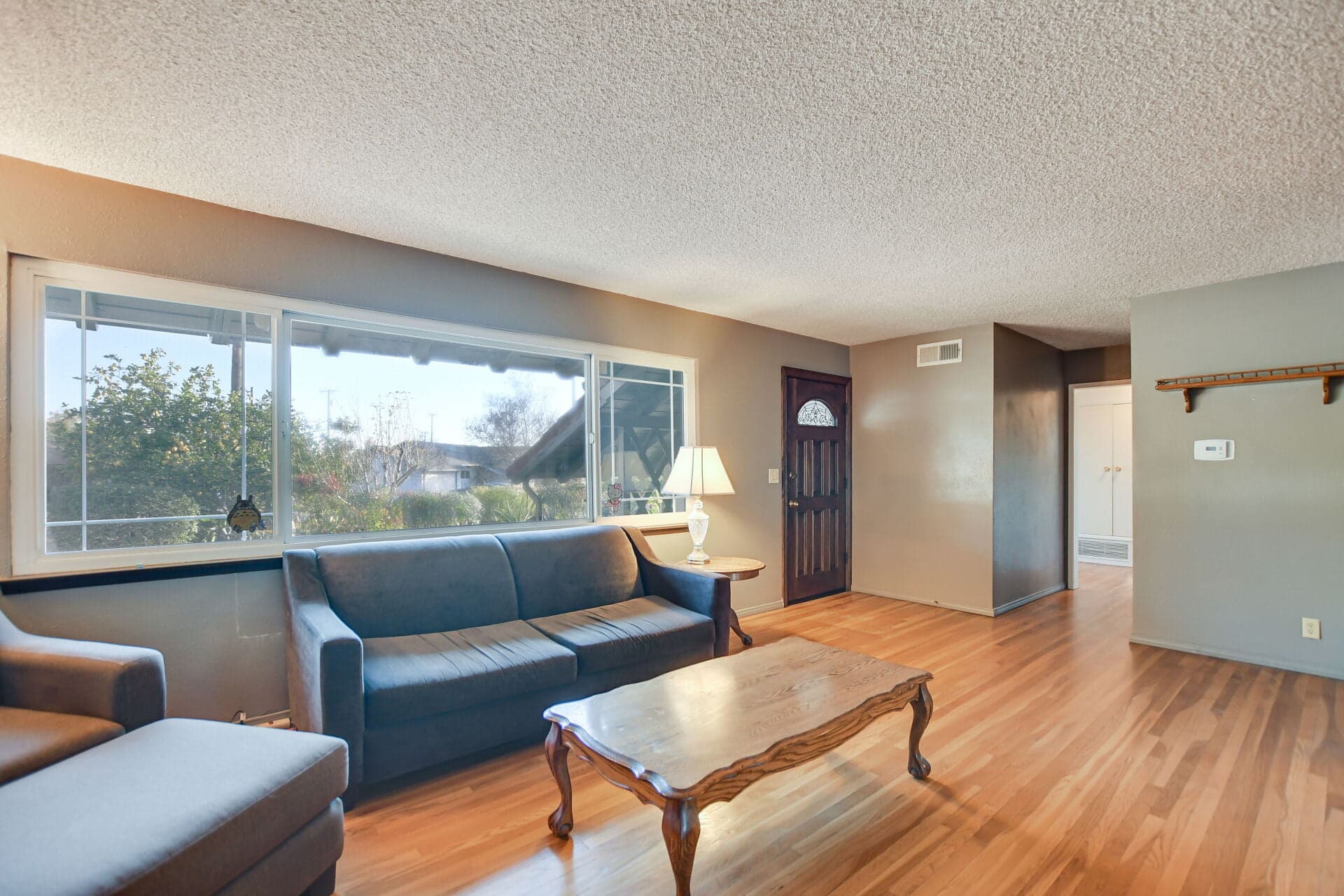
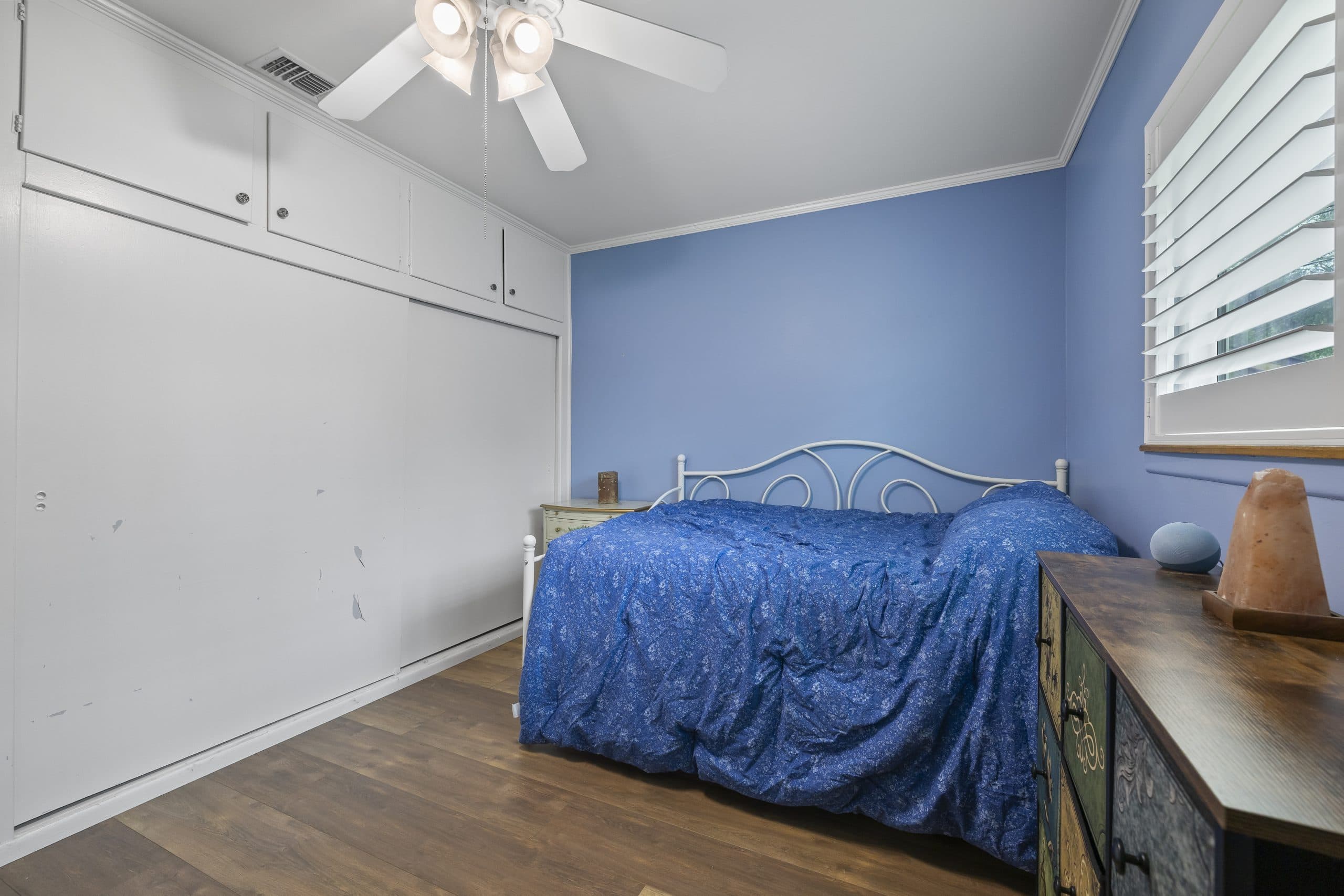
Square footage. The reliable revision. Households routinely report that the extra room they stretched for is the room nobody enters, while the enclosed, quiet, door-closing space they did not prioritise is the one two people fight over daily. Room COUNT and room USE beat total area more often than not.
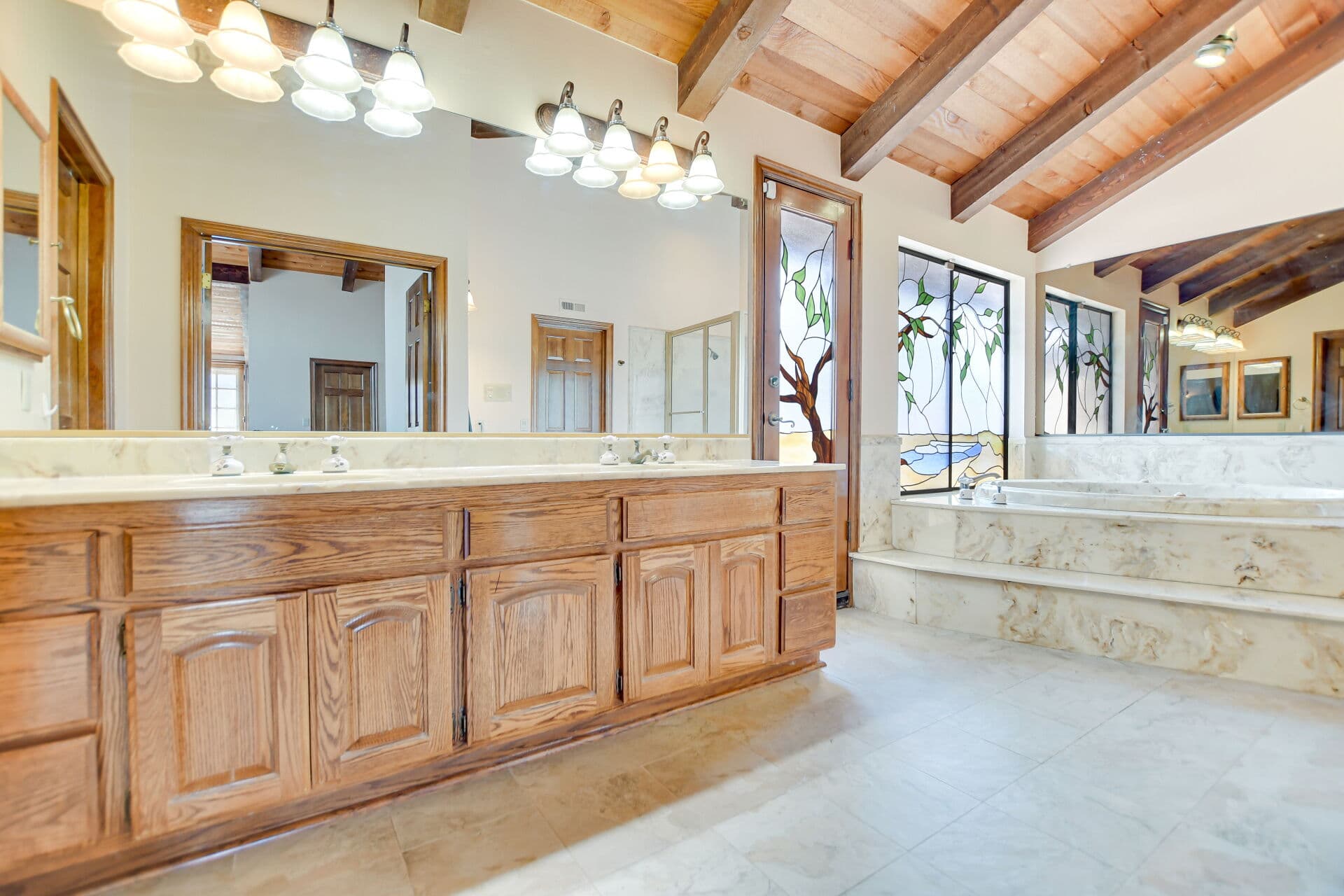
The dream kitchen. Not because kitchens do not matter, but because a kitchen can be changed and a lot cannot. Buyers who traded location for finish level are the most consistent group of second-year regretters, and the regret runs one direction: nobody says they wish they had bought a better kitchen on a worse street.
Newness for its own sake. Newer construction has real advantages and one systematic disadvantage in a town like this: the older parts of Claremont are where the canopy, the grid, and the walkable fabric are. That is a trade, not a ranking, and plenty of households make it deliberately and stay happy. The ones who revise are the ones who did not know they were making it.
The commute they never do. A surprising number of households organise a purchase around a drive that a hybrid schedule made twice-weekly within a year. The revision is not that the commute stopped mattering; it is that its weight fell relative to the daily geography of home. The remote work guide is what many of these households wish they had read first.
The structural things that never get revised
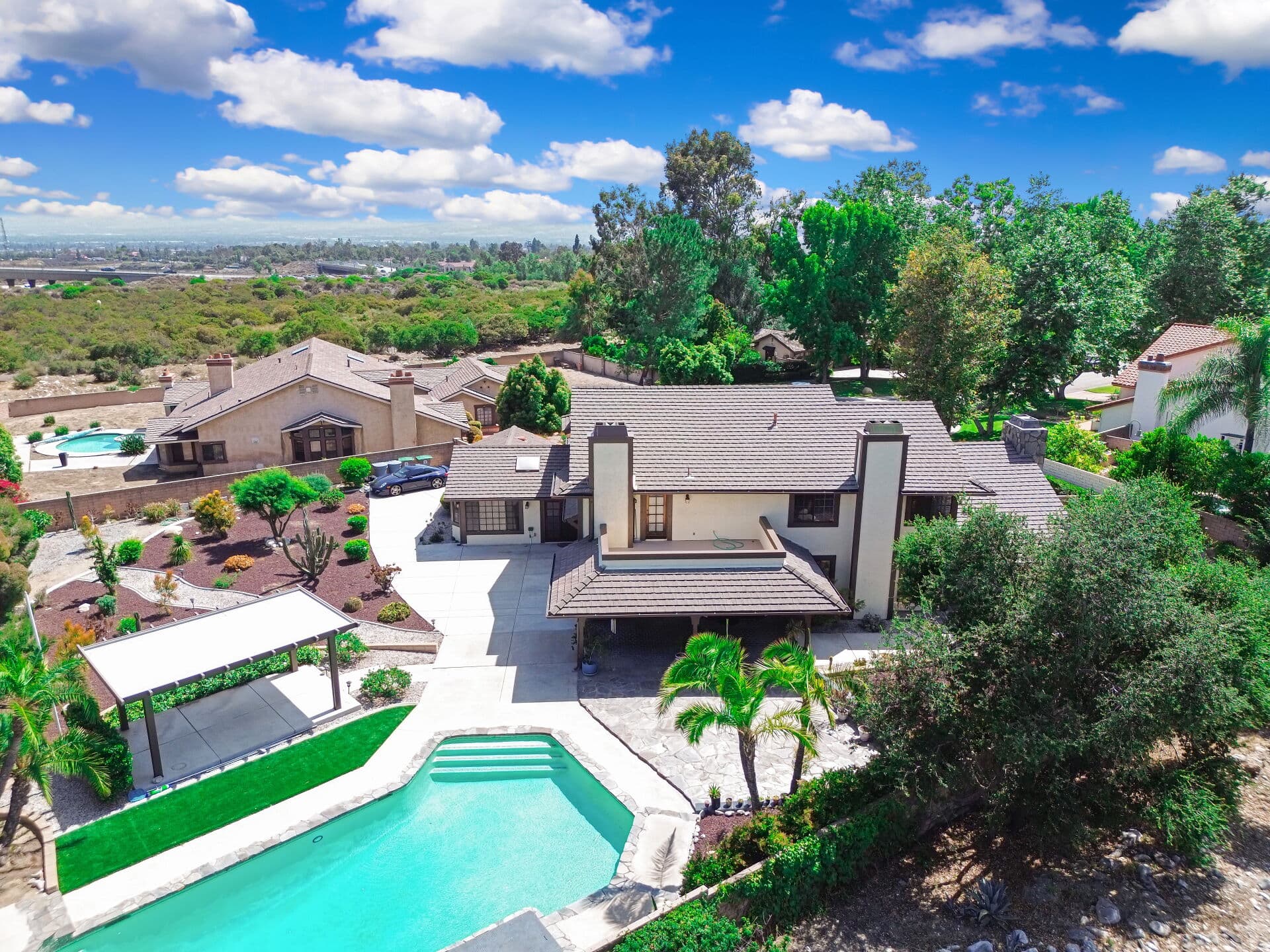
Worth naming, because they are the reason to be careful during the search rather than relaxed. Nobody revises their school attendance area at leisure, so verify it with Claremont Unified for the specific address rather than trusting a listing. Nobody revises whether their property is inside an association, so read the governing documents while you still have a contingency. Nobody revises the lot, the slope, the orientation, or the neighbours' setbacks. These are the ones to spend search-phase energy on precisely because year two cannot fix them.
What to do with this if you have not moved yet
- Buy the block. Spend as much of your decision energy on the street as on the house. Visit it on a weekday morning and a weekend evening.
- Count doors, not square feet. Ask where each person's quiet space goes on a normal Tuesday.
- Walk the property in the hottest part of the hottest month you can manage, or at least ask which rooms face west.
- Treat the inspection report as a maintenance calendar, not a negotiating document, and price the first two years of it.
- Plan the community on-ramp before you arrive, because year two loneliness is much harder to fix than year two paint.
And if you are already in year two
Some of these are fixable without moving. Walkability is partly a habit rather than a location. Room use can be redesigned. Shade can be planted, slowly. What is not fixable is the street and the lot, and if those are genuinely wrong, the honest answer is that a second move within the same town is a normal thing that happens here, and it is a far smaller undertaking than the first one was.
Verify school attendance, association, and permitting specifics with the district, the association, and the city. This is general information; your own property and circumstances govern.
Anthony Grynchal has been licensed in California since November 2009 and hears the year-two version of these conversations regularly. The pattern is remarkably consistent, which is the only reason it is worth writing down.
Frequently asked questions
What do people most often wish they had prioritised when buying in Claremont?
Walkability and the street itself. Households consistently report that proximity to somewhere worth walking to gets used daily, and that what a block does at seven in the morning matters more than the kitchen finish. Neither is visible in listing photographs, which is why both are underweighted during a search.
Is square footage overrated when buying here?
Frequently. The common second-year observation is that the extra room stretched for goes unused while an enclosed, quiet, door-closing space that was not prioritised becomes contested daily. Counting rooms and asking where each person works or retreats tends to predict satisfaction better than total area.
What cannot be fixed after moving in?
The street, the lot, the slope, the orientation, the school attendance area, and whether the property sits inside an association. Those deserve the search-phase energy precisely because no amount of later work changes them, so verify attendance areas with the district and read association documents during the contingency period.
Is it common to move twice within Claremont?
It happens, and it is a far smaller undertaking than the original relocation, because the household already knows the town and the second search is informed rather than speculative. If the street or the lot is genuinely wrong, a local move is a reasonable answer rather than an admission of failure.

Written by
Anthony Grynchal
Anthony Grynchal is a California real estate professional with eXp Realty, licensed since November 2009 (California DRE# 01873626), and the Designated Local Expert™ for Claremont — where he has lived for more than 33 years.
More about AnthonyPublished · Updated