When people plan a home for later life they think about grab bars and doorway widths. Those matter. But the changes that arrive first, and that shape daily life most, are sensory: eyes need considerably more light than they used to, they lose the ability to adapt quickly between bright and dim, glare becomes genuinely disabling, and hearing degrades in a pattern that makes speech in a noisy room the hardest thing of all.
The happy part is that this whole category is cheap. Most of what follows costs less than a weekend of a contractor's time, and several items cost nothing but attention.
Light: more of it, and evenly
The single most useful principle is that older eyes need substantially more light than younger ones to perform the same task, and they need it distributed rather than concentrated.
A room lit by one central fixture creates a bright middle and dim corners, and the eye keeps having to adapt as someone moves through it. That adaptation gets slower with age, which is why the walk from a bright kitchen into a dim hallway is a genuine hazard rather than an inconvenience.
Practical moves:
- Layer it. Ceiling light plus lamps plus task lighting where work happens. Three modest sources beat one bright one.
- Kill the dark transitions. Hallways, stair tops and bottoms, the step down into a den, the garage door landing. These are where the eye is least prepared.
- Task light the kitchen counter. Under-cabinet lighting is the highest-value single upgrade in most houses, because a counter lit only from a ceiling fixture behind you is shadowed by your own body.
- Night lighting on a path. Bed to bathroom, continuously, on motion sensors. Low level, warm, always on. This one change addresses a large share of household falls.
- Switches where the person is. Nobody should cross a dark room to turn on a light. Three-way switches at both ends of hallways and stairs, and a lamp reachable from the bed.
Glare: the part everyone forgets
More light helps only if it is not glaring. Aging eyes scatter light more, so a bare bulb or a sunlit window becomes a bright veil rather than a bright source.
Claremont has a specific version of this problem. The light here is strong and the low winter sun comes in hard through west and south windows in the late afternoon, at exactly the hour when many people are cooking. A polished floor or a glossy countertop turns that into a sheet of white.
Answers are unglamorous: shades that diffuse rather than block, shielded fixtures rather than bare bulbs, matte finishes on floors and counters when they are being replaced anyway, and lamps positioned so the bulb is not in the line of sight from where people sit.
Contrast: the cheapest safety upgrade there is
Contrast sensitivity declines with age, which means edges stop announcing themselves. A beige stair tread against a beige riser and a beige wall is a genuine hazard, not a design preference. A white toilet against a white floor in a white bathroom is hard to locate at night.
Where to introduce contrast:
- Stair nosings, marked clearly against the tread.
- The edge of any single step or level change — these cause more trouble than full staircases because nobody expects them.
- Countertop edges against the floor and against the counter surface.
- Grab bars and handrails in a color that is not the wall.
- Light switches and outlets against the wall.
- Plates against placemats, which sounds trivial and is not.
This costs almost nothing and is the highest return per dollar in the entire home-modification field. The room-by-room safety audit walks the whole house with this in mind.
Sound: the neglected half
Age-related hearing change typically affects high frequencies first, which are precisely the consonants that carry meaning. The result is the familiar and frustrating experience of hearing that someone is speaking without being able to make out what they said — and it gets dramatically worse with background noise and reverberation.
So the goal is not volume. It is reducing competition and echo.
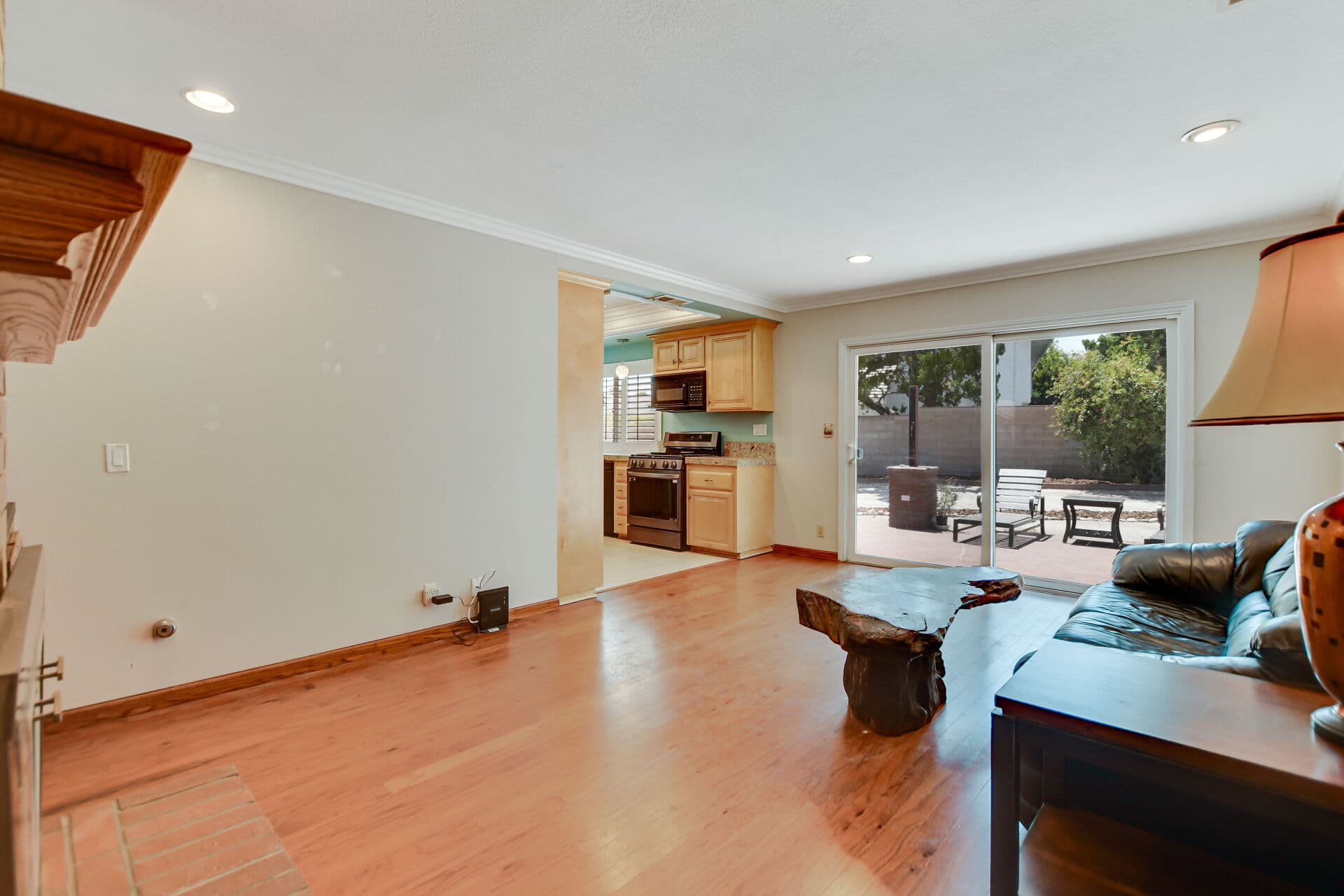
- Soft surfaces. Rugs, curtains, upholstered furniture, and books. A hard-surfaced open-plan room is an acoustic nightmare for someone with hearing loss, which is a real trade-off against the visual appeal of the style.
- A quiet conversation room. Every house should have one place where two people can talk without a television, a dishwasher, or an open kitchen behind them.
- Appliance noise. Range hoods, HVAC, and older refrigerators produce constant broadband noise that swallows speech. Worth noticing when anything is being replaced.
- Doorbells and alarms. High-pitched chimes may simply be inaudible. Lower-frequency or visual alerting solves it, and smoke and carbon monoxide alarms in particular should be verified as audible to the person actually living there.
- Seating arrangement. Chairs facing each other at conversational distance, with light on the speaker's face, because most people lip-read more than they realize.
Where Claremont's housing stock helps and hinders
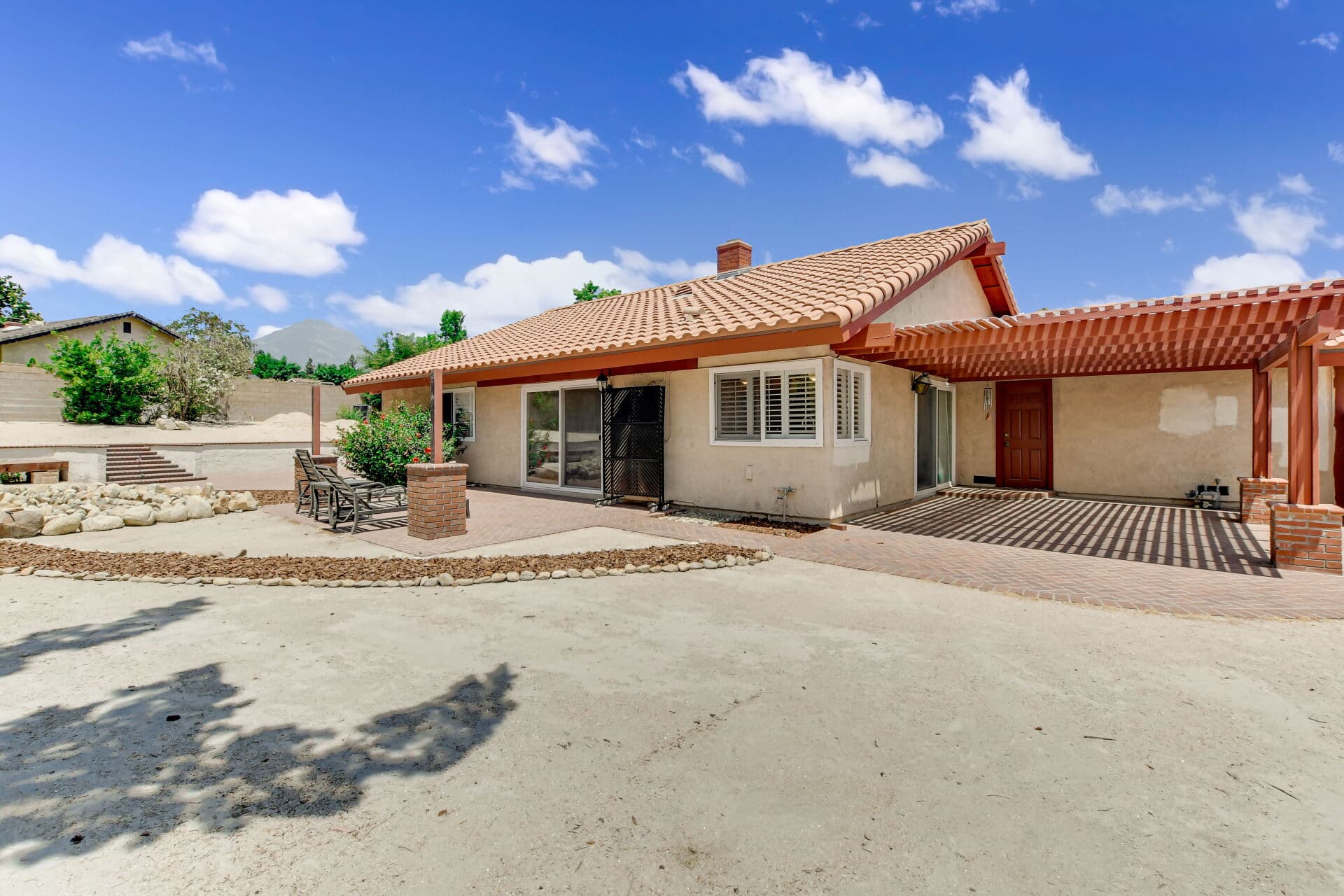
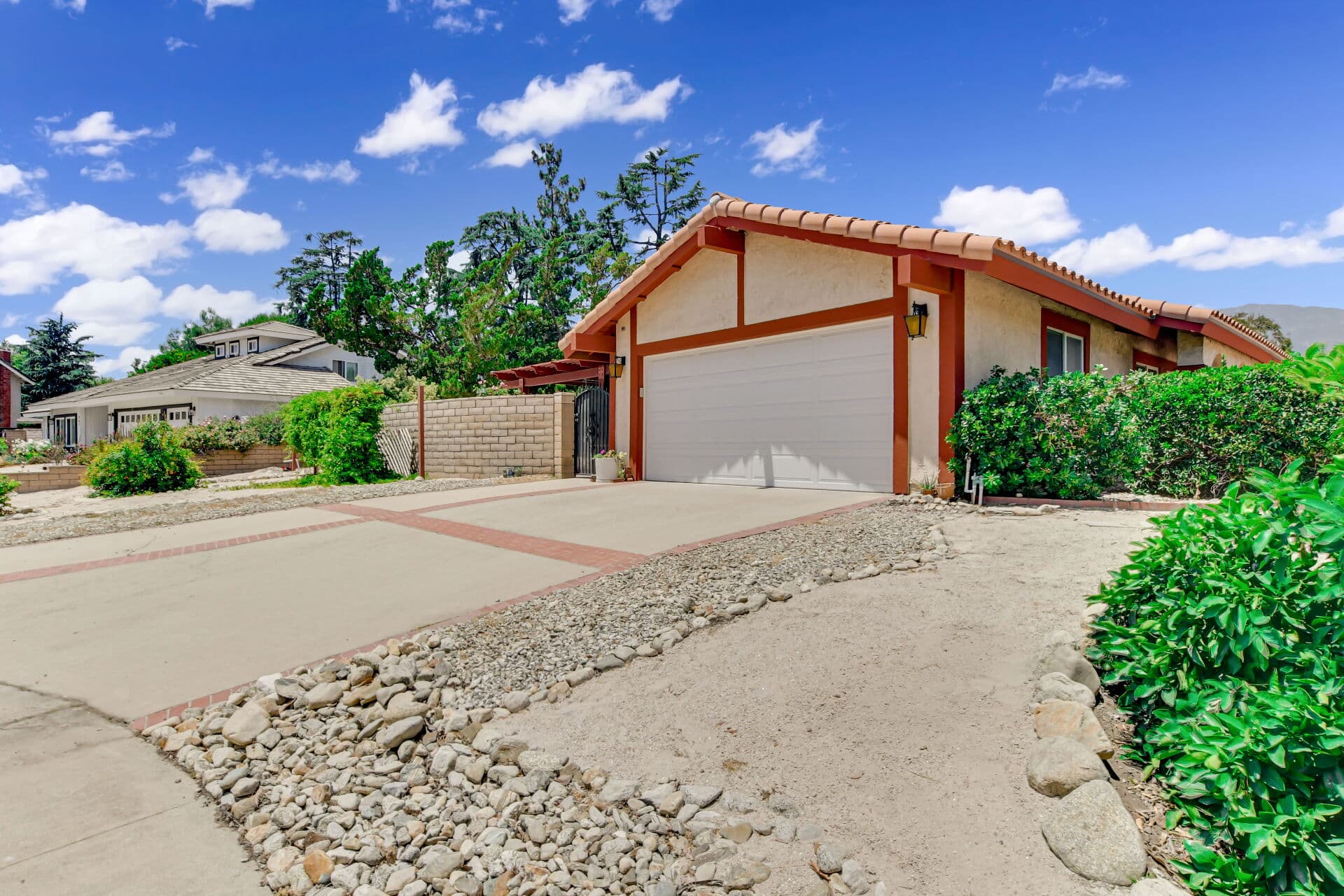
The postwar ranches that make up so much of the town tend to have good window area and modest room sizes, which is a favorable combination — daylight without the acoustic problems of a large open volume. The frequent shortfall is that original fixture counts were low by modern standards and hallways are often lit by a single ceiling fixture.
Homes with mature canopy — which is most of the older streets — get lovely light in summer and surprisingly dim interiors under heavy shade, so interior lighting matters more than the window count suggests. Meanwhile the newer open-plan renovations that have swept through parts of the town look wonderful and are considerably harder to hear in.
None of this argues for or against any particular house. It argues for looking at a house with these questions in mind, which most people never do.
A weekend's worth of changes
If you want a starting list that a household can complete quickly: put motion-sensor night lighting on the bed-to-bathroom path, add under-cabinet lighting in the kitchen, mark the stair nosings, replace any bare bulbs with shielded fixtures, put a lamp within reach of the bed, and test that the smoke alarms are actually audible from the bedroom with the door closed.
That list will do more for daily safety and comfort than most of the larger projects people consider first, and none of it changes how the house looks in any way anyone would object to. The article on what is genuinely worth doing to an older Claremont home puts these in context alongside the bigger decisions.
The senior living and housing guide maps the wider picture. If you would like a walk through a Claremont home with an eye on light, contrast and sound rather than on selling it, that conversation is available at no cost and with no agenda. Anthony Grynchal has been licensed in California since November 2009.
Frequently asked questions
Why does lighting matter more than people expect?
Older eyes need substantially more light for the same task and adapt more slowly between bright and dim areas, so the walk from a bright kitchen into a dim hallway becomes a genuine hazard. Layered light from several modest sources beats one bright central fixture.
What is the single best lighting change?
Motion-sensor night lighting along the bed-to-bathroom path, low level and warm, always on. It addresses a large share of household falls. Under-cabinet kitchen lighting is a close second, because a counter lit only from behind is shadowed by your own body.
Why does contrast matter?
Contrast sensitivity declines with age, so edges stop announcing themselves. A beige stair tread against a beige riser is a hazard rather than a design choice. Marking stair nosings, single steps, counter edges and grab bars costs almost nothing and returns more than any other modification.
How do you make a home easier for someone with hearing loss?
Reduce competition and echo rather than raising volume. Soft surfaces, one quiet room without a television or open kitchen behind it, attention to appliance noise, lower-frequency doorbells, and verifying that smoke and carbon monoxide alarms are audible from the bedroom with the door closed.
Do open-plan renovations create problems?
For hearing, yes. Large hard-surfaced open volumes are acoustically difficult for someone with age-related hearing loss, since background noise and reverberation are exactly what degrade speech understanding. It is a genuine trade-off against the visual appeal of the style.

Written by
Anthony Grynchal
Anthony Grynchal is a California real estate professional with eXp Realty, licensed since November 2009 (California DRE# 01873626), and the Designated Local Expert™ for Claremont — where he has lived for more than 33 years.
More about AnthonyPublished · Updated