There is a stage in many households where the plan stops being about the person alone and starts being about the person plus help. It might be a few hours a week. It might eventually be someone sleeping in the house. Either way, the building has to accommodate a second life, and most homes were not designed with that in mind.
This article is about the physical problem. The employment questions — how a caregiver is hired, what an agency handles versus what a family takes on directly, and the obligations that come with employing someone in your home — are real and consequential, and they belong with an employment attorney or a payroll service rather than with a real estate article. Nothing here names or recommends a provider.
Start by naming the level
The physical requirements differ enormously by arrangement, and families often plan for the wrong one.
Day help, a few hours. Needs very little. Somewhere to put a bag, a bathroom that is not the owner's own if possible, and a chair that is not in the middle of everything.
Daily help, full shifts. Needs a place to eat, a place to sit that is genuinely out of the way during quiet hours, and parking that does not create a daily negotiation with neighbors.
Live-in care. Needs a bedroom, real bathroom access, storage, and — the one most families underestimate — somewhere to be off duty. A caregiver with nowhere private to exist is a caregiver who does not stay.
Rotating or overnight-only. Needs a bed that does not have to be made up and stripped daily, and a way for someone to move around at night without waking the household.
Being honest about which level is likely over the next few years prevents both overbuilding and the more common error of assuming the guest room will simply work.
What the house actually has to provide
Four things, in rough order of how often they cause trouble.
Proximity without adjacency. The caregiver needs to be close enough to hear, far enough to be a separate person. In a typical Claremont ranch, that often means the bedroom across the hall rather than the one at the far end of the house, with the door arrangement doing the privacy work.
Bathroom logic. Sharing one bathroom between an older adult with mobility needs and a working caregiver is the most common friction point in these households. A second full bath, even a modest one, changes daily life more than almost any other change. Where that is not possible, sequencing and clear agreement do a surprising amount.
A door that closes on the day. Off-duty space is not a luxury for live-in arrangements. It is the difference between a sustainable placement and turnover.
Circulation. Hallways wide enough for two people, one of whom may be assisting the other. Turns that work. Thresholds that do not catch. The room-by-room safety audit covers this ground in detail, and everything in it applies double once two people are moving through the same spaces.
Claremont's housing stock, honestly assessed
The town's typical inventory handles this better than many places, with some specific quirks.
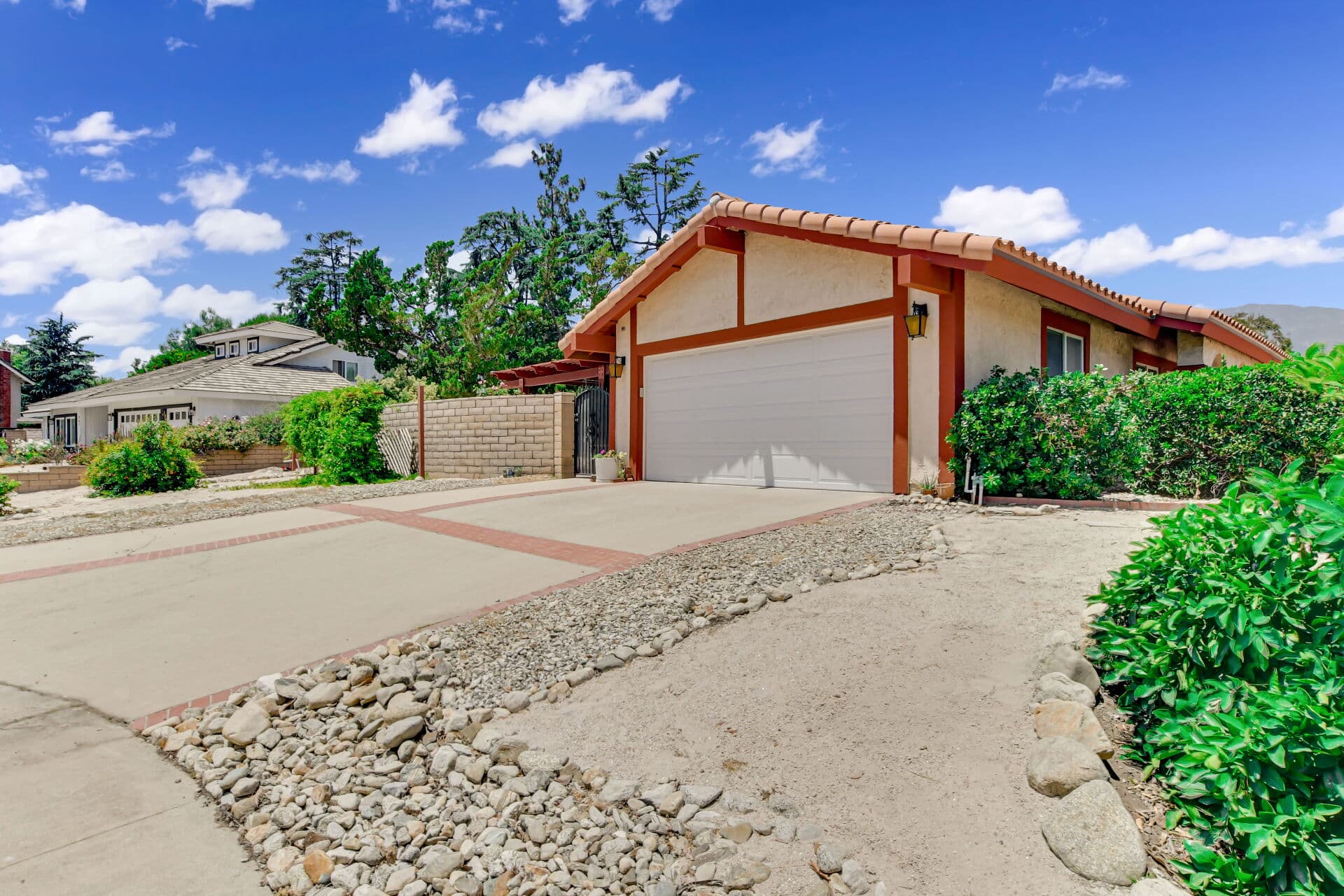
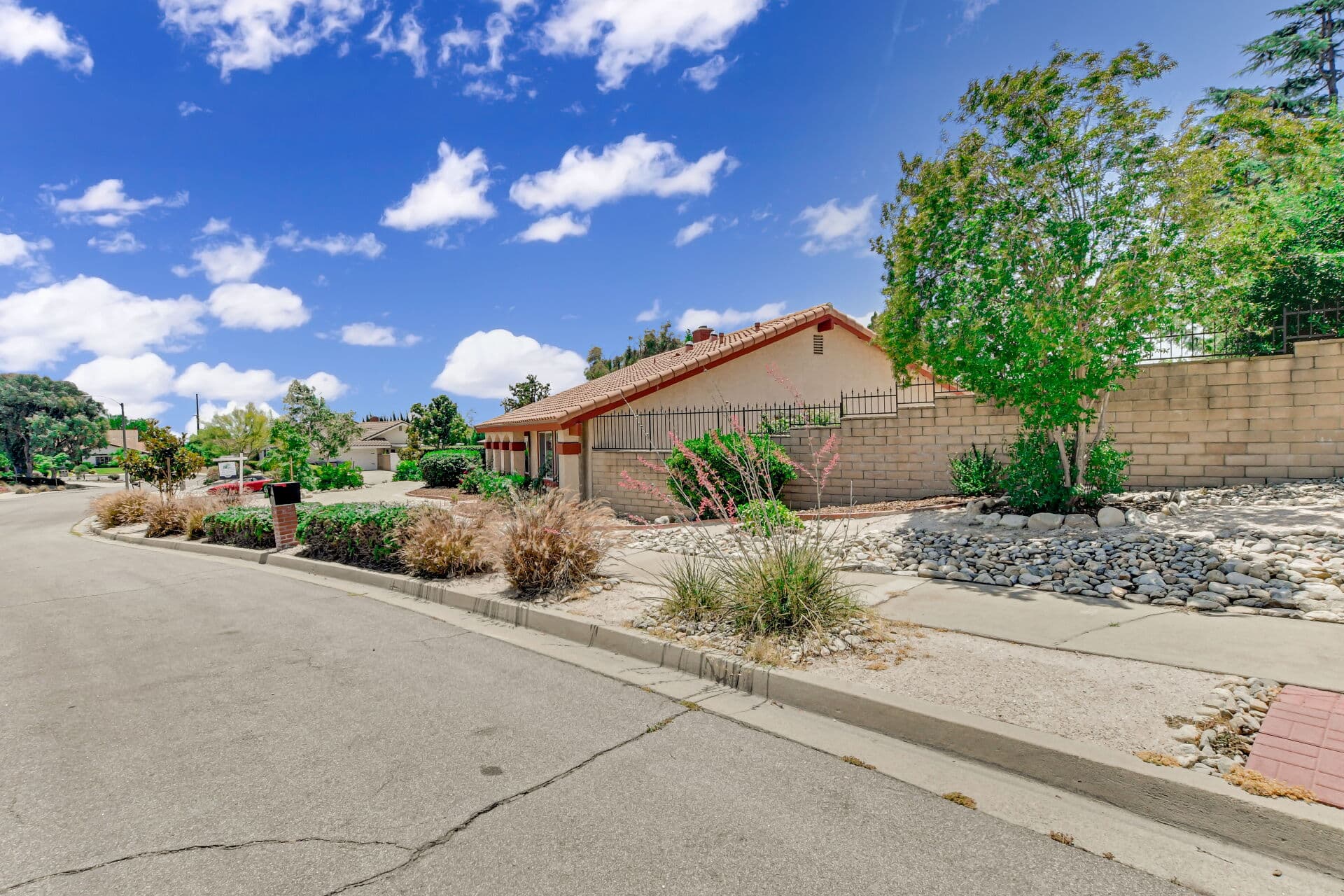
Single-story ranches from the postwar decades are the easiest starting point. Bedrooms tend to cluster, hallways are usually adequate, and there is no stair problem to solve. The frequent limitation is a single bathroom serving the bedroom wing.
Two-story homes complicate everything at once, because the caregiver either sleeps upstairs away from a downstairs bedroom or the household reorganizes around a ground-floor arrangement. That deserves its own thinking, and the piece on what to do when the stairs become the problem works through the options.
Older homes near the Village often have generous room counts and awkward bathroom placement, which is a good trade for this purpose since rooms are harder to add than plumbing is to extend.
Larger lots on the north side frequently have the outdoor space that makes a detached option viable, which brings us to the obvious question.
The ADU question
An accessory dwelling unit — a converted garage, a small detached building, or a legally separated portion of the house — is genuinely the strongest answer for long-term live-in arrangements. It gives complete privacy on both sides while keeping everyone on the same parcel.
Three honest caveats.
It is a construction project, with the permitting, timeline, and disruption that implies. California's rules in this area have been changing steadily, and the current requirements and the City of Claremont's own process are things to confirm directly with the city rather than from any article, including this one.
It is a long-horizon decision. An ADU built for a caregiver is a permanent change to the property, and it will still be there when the caregiving arrangement ends. Many families consider that a feature.
And it is not the only option. A well-planned interior reconfiguration is faster, cheaper, and sufficient for a great many households.
The changes that punch above their weight
If a full project is not on the table, these do a lot for very little.
- A second bathroom of any size, even a three-quarter bath carved from a closet and a corner.
- A door where there is currently an opening, to make an off-duty space actually private.
- A dedicated place for a caregiver's belongings, so nobody's things are living in a car.
- Better lighting on hallways and stair edges, which serves everyone. The article on designing for aging senses gets specific about this.
- A parking arrangement agreed in advance with the household and, where relevant, with the neighbors.
- Sound separation — a solid-core door, a rug, a white noise machine — because two people keeping different hours in one house is a real problem with cheap solutions.
The part that is not about the building
Households that make this work tend to share a few habits. They set expectations explicitly rather than letting them emerge. They give the caregiver genuine territory rather than borrowed corners. They keep the older person in charge of decisions about their own home, which is both right and practical. And they keep other people coming and going, which matters for everyone's wellbeing and, as the article on protecting an older owner's decisions explains, is a meaningful safeguard as well.
It is also worth saying that bringing help into the house is a way of STAYING. Families sometimes treat it as a step toward leaving. Very often it is the opposite: the arrangement that makes another decade at home entirely realistic.
The senior living and housing guide maps the wider set of options, and the aging-in-place guide covers the rest of what a long stay asks of a house. If you want a candid read on whether a particular Claremont home can absorb live-in help without a major project, that conversation is available with no agenda and no cost. Anthony Grynchal has been licensed in California since November 2009.
Frequently asked questions
What does a live-in caregiver actually need from a house?
A bedroom, real bathroom access, storage for their belongings, and somewhere to be genuinely off duty behind a closed door. The last is the one families most often underestimate, and it is usually the difference between a placement that lasts and one that turns over.
Is a second bathroom worth it?
It is the single change that most improves daily life in these households. Sharing one bathroom between an older adult with mobility needs and a working caregiver is the most common friction point, and even a modest three-quarter bath carved from a closet and a corner resolves it.
Is an ADU the right answer for caregiver housing?
It is the strongest option for long-term live-in arrangements because it gives both sides complete privacy on one parcel. It is also a construction project with real timelines, and California and City of Claremont requirements change, so confirm current rules with the city directly.
Do Claremont homes generally adapt well to this?
Single-story postwar ranches are the easiest starting point, with clustered bedrooms and no stairs, though often only one bathroom in the bedroom wing. Two-story homes complicate the arrangement most. Larger north-side lots most often have room for a detached option.
Does bringing in help mean a move is coming?
Frequently the opposite. Help in the house is often the specific arrangement that makes another decade at home realistic, and it is best understood as a way of staying rather than as a step toward leaving.

Written by
Anthony Grynchal
Anthony Grynchal is a California real estate professional with eXp Realty, licensed since November 2009 (California DRE# 01873626), and the Designated Local Expert™ for Claremont — where he has lived for more than 33 years.
More about AnthonyPublished · Updated