Towns are not equally easy to grow old in, and the differences are mostly structural rather than atmospheric. Whether the ground is flat. Whether a pharmacy is reachable on foot. Whether the houses have stairs. Whether anything happens that a person over seventy would want to attend.
Claremont scores unusually well on most of these, largely by accident of when and how it was built. It is worth setting out why, along with where it genuinely falls short, because an honest assessment is more useful than a brochure.
The terrain
Start with the most basic thing, because it decides more than people expect.
Much of the older grid — the Village and the blocks around it — is flat or very nearly so. Walking there is a matter of distance rather than effort, which is precisely what matters when stamina rather than mobility is the constraint.
The gradient rises toward the north as the land climbs toward the foothills, and the difference between a flat block and a persistent slope is substantial for someone using a cane or a walker. It is a real distinction between neighborhoods and it is one of the few that cannot be renovated away. The guide to Claremont's easiest blocks gets specific.
Sidewalks exist across most of the older town, and the mature canopy makes summer walking genuinely possible rather than theoretically possible, which in this climate is not a small point.
The housing stock
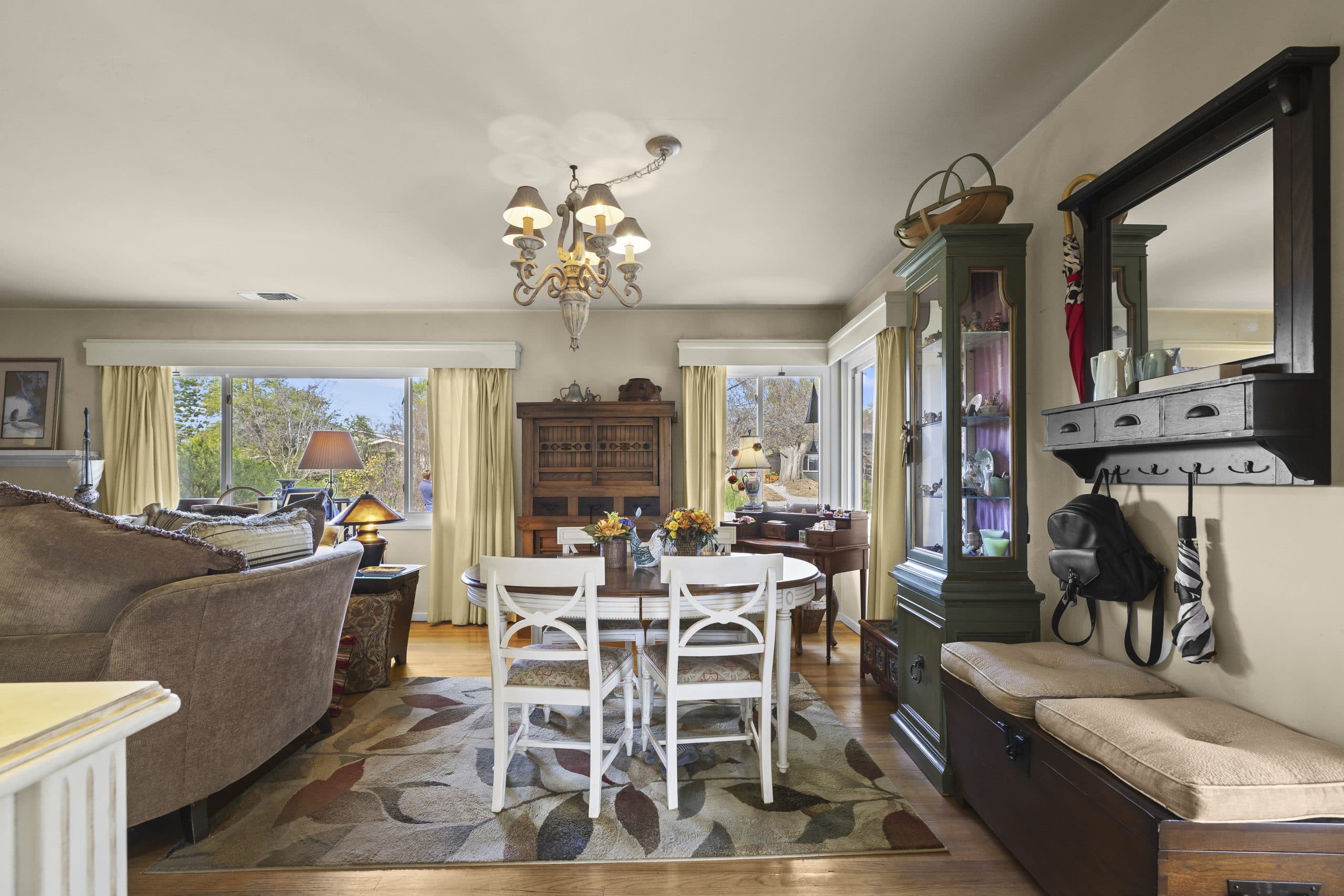
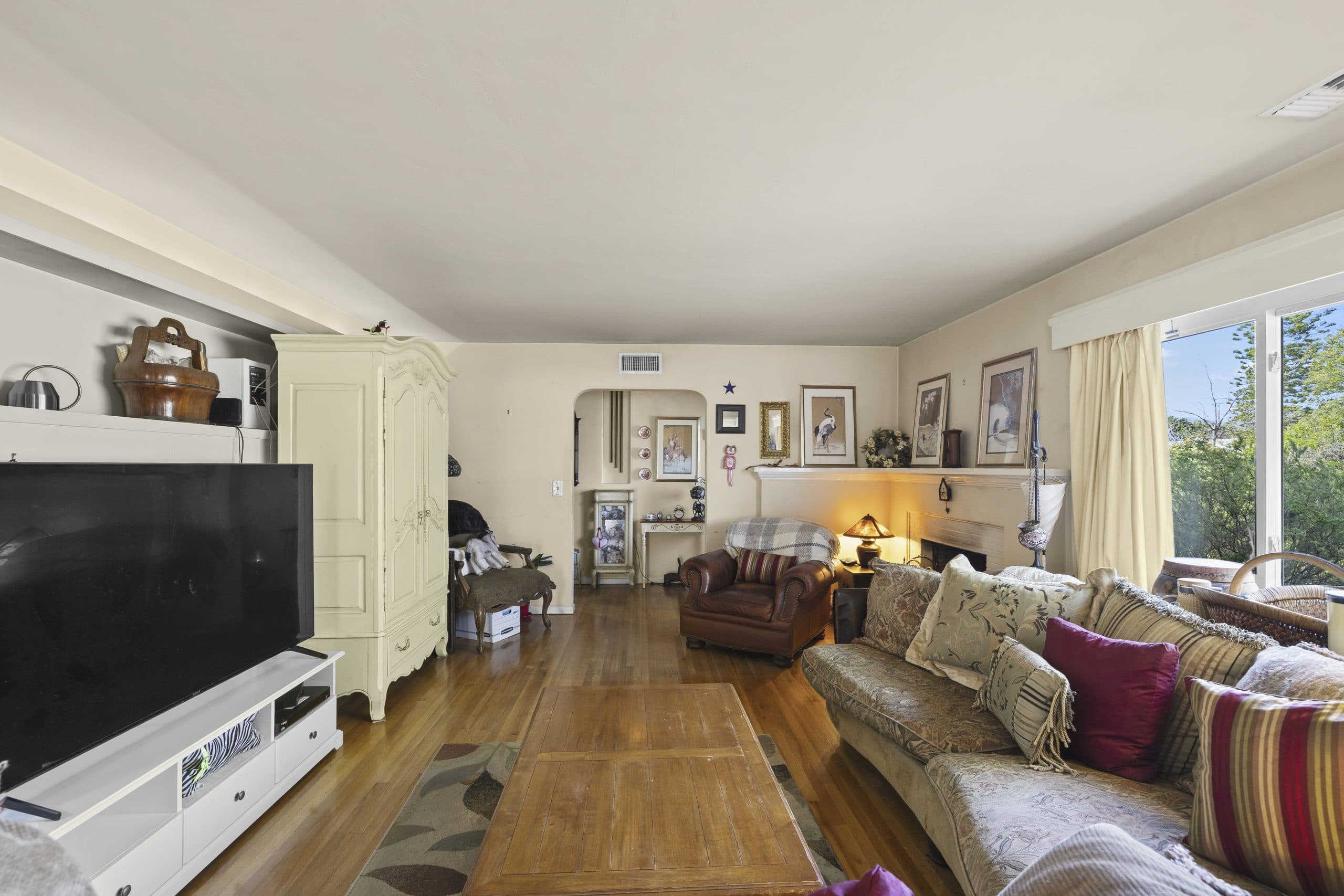
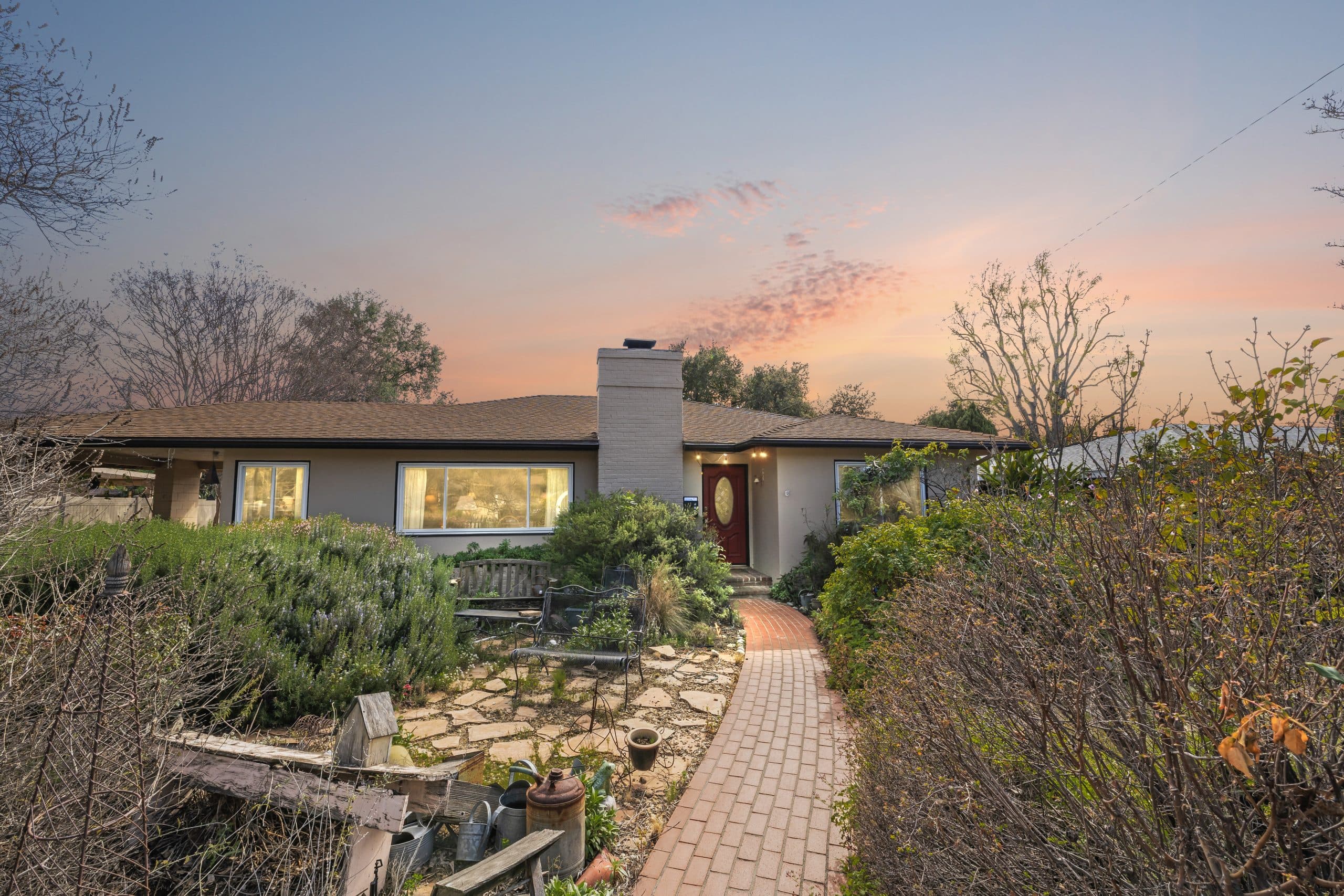
A great deal of Claremont's inventory is single-story, built in the decades when ranch houses were the default. That is the most consequential fact in this whole article.
A single-story house with a bedroom and bathroom on the ground floor is already most of the way to being workable for a long stay. What remains — bathroom modifications, lighting, thresholds, door hardware — is a matter of modest projects rather than structural reinvention. The aging-in-place guide covers that list.
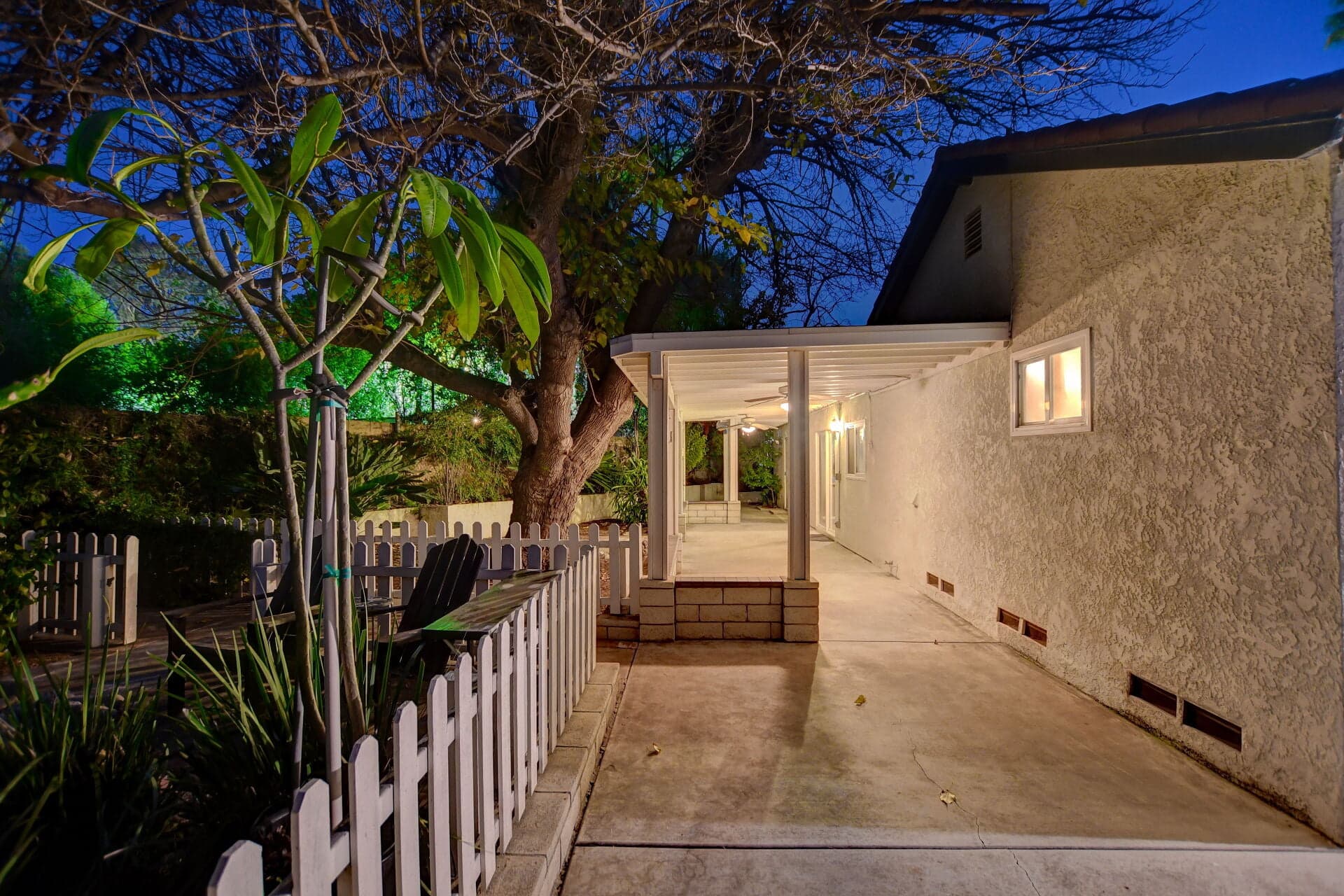
Lot sizes are generous by regional standards, which cuts both ways. Space for a detached unit if help is ever needed, and more yard to maintain than a smaller property would demand. The article on reducing yard maintenance addresses the second half of that trade.
The older homes nearer the Village vary. Some are charming and awkward, with narrow doorways, level changes, and bathrooms in inconvenient places. Charm and accessibility are not correlated, and a house should be assessed on its own terms rather than by its neighborhood's reputation.
Errands within reach
The Village is the town's real advantage, and its value is specific: a compact, walkable center where a genuine spread of daily needs sit within a few blocks of each other, rather than spread along an arterial road.
For a household whose driving is diminishing, that is not a lifestyle preference. It is the difference between independence and dependence, and it is the single thing that most determines whether not driving is survivable.
Distance from that center is therefore a meaningful variable when comparing addresses — more meaningful than square footage, and much more than it seems while everyone is still driving comfortably.
Transit and the alternatives to driving
Claremont has a rail connection at the depot, bus service through the region, and the ride-hailing and paratransit options common to Los Angeles County. Together they form a workable set of layers rather than one solution, and the specifics change, so current routes, schedules and eligibility should be confirmed with the operators directly rather than from any article.
The article on getting around Claremont without driving works through the layers properly. The point for this article is simply that the alternatives exist here, which is not true of every suburb in the region.
The civic and social side
This is where Claremont differs most from a comparable suburb, and it is easy to undervalue.
The Colleges generate a continuous calendar of lectures, concerts, exhibitions, and public events, most of it accessible and much of it free or inexpensive. The town has an unusual density of congregations, volunteer organizations, and long-running clubs. The city maintains senior services and programming, and what it offers changes, so the city is the right place to ask.
The practical effect is that an older resident does not have to organize their own social life from scratch, which is exactly the task that becomes hardest at the point when it matters most.
Add to that the long tenure on many streets. Neighbors who have known each other for decades produce the informal watching-out described in the piece on a block's informal safety net, and that layer is not purchasable at any price.
Where it falls short
An honest account has to include these.
The town is expensive relative to much of the region, which constrains options and is simply a fact rather than something to argue with.
Summer heat is a genuine consideration for older adults, more than the pleasant reputation suggests. Cooling that works reliably is not optional.
North-side slopes are real, and some of the most desirable streets are the least flat.
Wildfire risk in the foothill areas is a factor in insurance and in emergency planning, and it deserves specific attention rather than a general assumption.
And the older housing stock, charming as it is, frequently needs work — original bathrooms, original wiring, original everything. That is manageable, and it is not free.
What this adds up to
Not an argument that anyone should move here, and certainly not that anyone should move at all. Most of the people this article is written for already live in Claremont and are wondering whether staying is realistic.
For a large share of them, the honest answer is yes, and by a wider margin than they assume. A flat block, a single-story house, a walkable center, a full calendar, and neighbors who notice constitute a genuinely strong foundation. The work that remains is usually modest and specific: a bathroom, some lighting, an irrigation system, a handrail, a few phone numbers written down.
Where a house cannot be made to work, other options exist and are worth understanding without any pressure attached. But that conclusion should be reached after the adaptations have been considered, not before, and by the person who lives there.
The senior living and housing guide is the map for all of it. If you would like an unhurried, no-agenda read on how well a particular Claremont home and street would support a long stay, that conversation costs nothing and carries no expectation. Anthony Grynchal has been licensed in California since November 2009.
Frequently asked questions
What makes Claremont workable for a long stay?
Flat terrain across much of the older grid, a large stock of single-story ranch houses, a compact walkable Village where daily errands cluster, real alternatives to driving, and an unusually dense civic and social calendar generated by the Colleges and local organizations.
Does the neighborhood really matter that much?
Yes, mainly for two reasons that cannot be renovated away: gradient and distance from the walkable center. The land rises toward the foothills, and a persistent slope is substantial for someone using a cane or walker. Distance from the Village matters more once driving diminishes.
Are older Village-area homes good for aging in place?
They vary. Charm and accessibility are not correlated, and older homes often have narrow doorways, level changes and awkwardly placed bathrooms alongside their appeal. Each house deserves assessment on its own terms rather than by its neighborhood's reputation.
What are Claremont's genuine drawbacks?
Cost relative to much of the region, summer heat that matters more for older adults than the pleasant reputation suggests, real slopes on parts of the north side, wildfire risk in the foothill areas affecting insurance and emergency planning, and older housing stock that frequently needs work.
Does this mean staying put is usually realistic?
For a large share of Claremont households, yes, and by a wider margin than people assume. The remaining work is often modest and specific: a bathroom, better lighting, irrigation, a handrail, some phone numbers written down. That conclusion belongs to the person who lives there.

Written by
Anthony Grynchal
Anthony Grynchal is a California real estate professional with eXp Realty, licensed since November 2009 (California DRE# 01873626), and the Designated Local Expert™ for Claremont — where he has lived for more than 33 years.
More about AnthonyPublished · Updated