Households combining grandparents, parents, and children were the norm for most of history, became unusual for a few decades in the middle of the last century, and are now steadily returning. In a town with the Colleges, long-tenure family homes and generous lots, Claremont sees more of it than the average suburb.
When it works, it works exceptionally well: company, shared costs, grandchildren who actually know their grandparents, and help available without an agency. When it fails, it usually fails for reasons that were foreseeable — not affection, but privacy, expectations, and money.
This article covers both halves: what the building needs, and what the arrangement needs.
Start with the honest version of the plan
Before any floor plan, a family should be able to answer these out loud.
Is this permanent or a stage? Both are fine; ambiguity is not.
Who owns what, and what happens if circumstances change? An older parent contributing money to a renovation on a house they do not own is a situation that deserves an attorney's attention before, not after.
What is the older adult's role, and what is it not? Grandparents are frequently drafted into childcare by drift rather than agreement, and the assumption that a resident grandparent is available is one of the most common sources of resentment. It should be asked, not assumed, and it should be revisitable.
What happens if care needs increase? A household that has never discussed this ends up improvising at the worst moment.
None of these are romantic questions. Asking them is what makes the affection survive the arrangement.
What the house has to provide
The single organizing idea is SEPARATION WITHOUT ISOLATION. Everyone needs somewhere to be alone, and everyone needs to be able to join in without an invitation.
A private bedroom, non-negotiable. Not a converted corner of a family room. A door.
Bathroom arrangements that work. A shared bathroom between a grandparent with slower mornings and teenagers is the friction point families most reliably underestimate. A second bathroom changes the household more than square footage does.
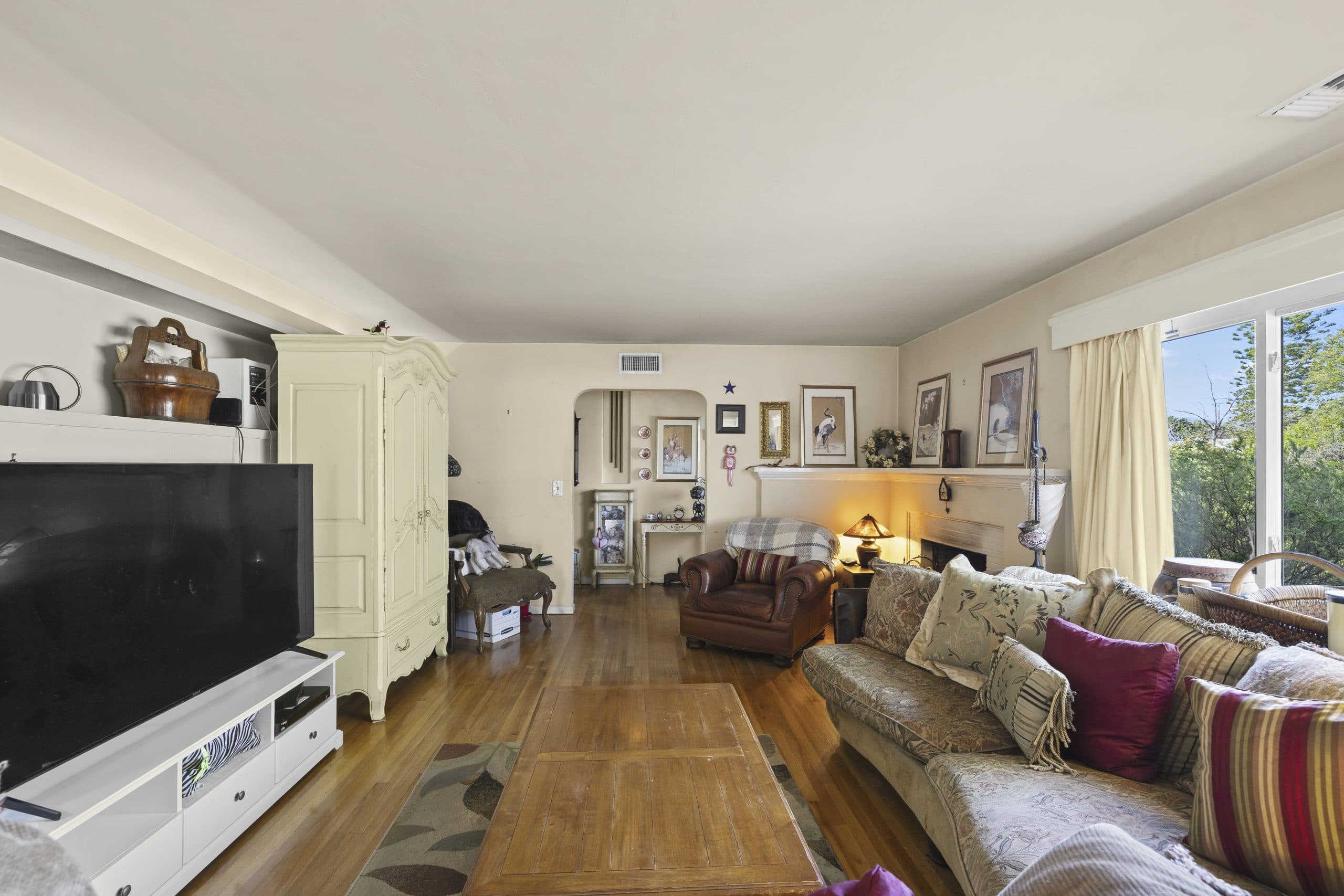
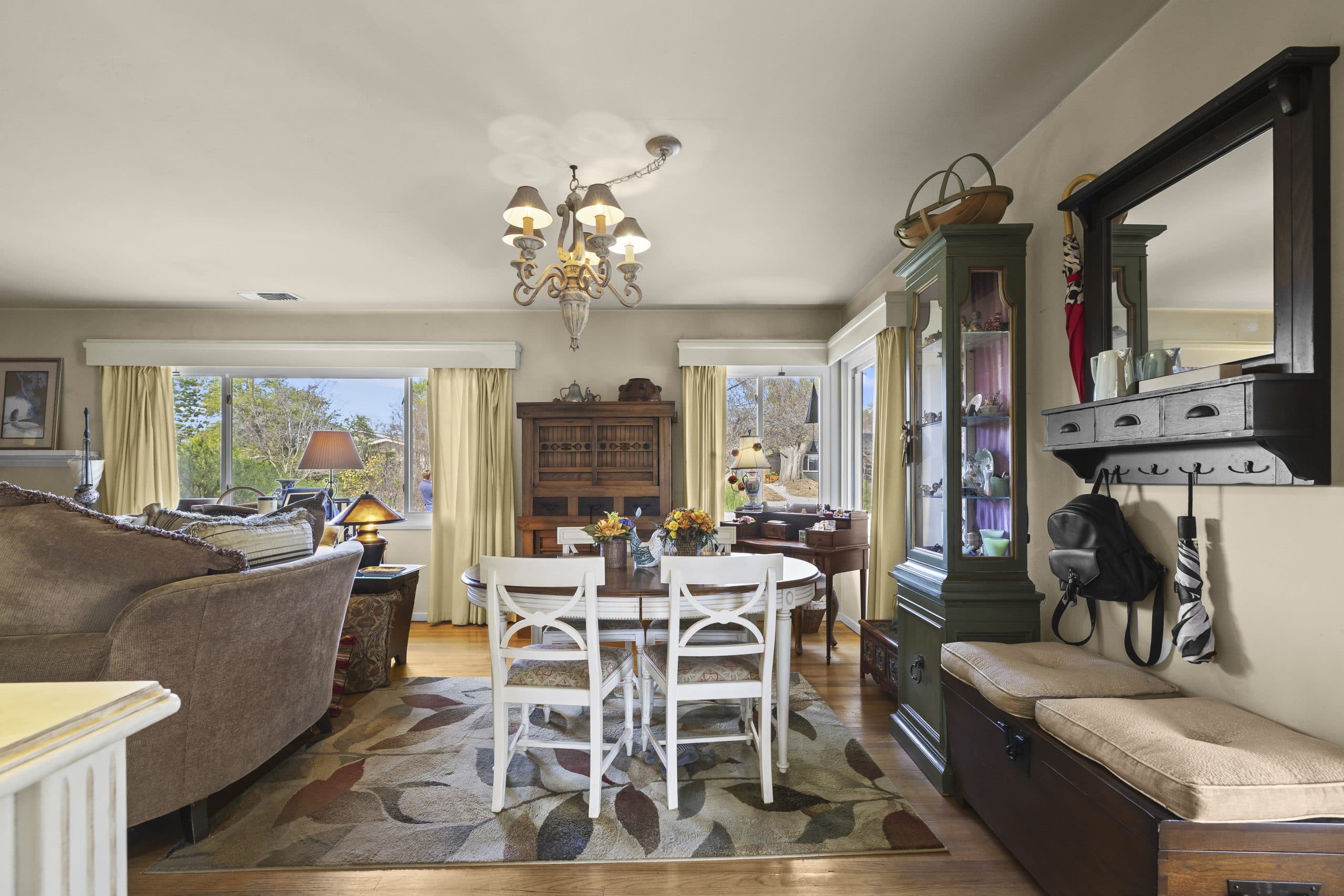
A second place to sit. One living room means one television and one noise level. A den, a converted bedroom, or even a well-arranged corner gives everyone somewhere to go, and it prevents the pattern where the older adult retreats to a bedroom because the shared space is not theirs.
Ground-floor living for the older adult where possible. This is the most consequential planning decision, because it determines whether the arrangement still works in ten years. The article on stairs in a two-story home covers the options where it is not already available.
Some kitchen autonomy. Even a kettle, a small refrigerator, and a shelf that belongs to one person prevents a great deal of low-grade friction about food and schedules.
Sound separation. Different generations keep different hours. A solid-core door, rugs, and attention to which rooms share a wall solve most of it cheaply. The article on light, contrast and sound covers the acoustic side in more detail.
Claremont's stock, assessed for this
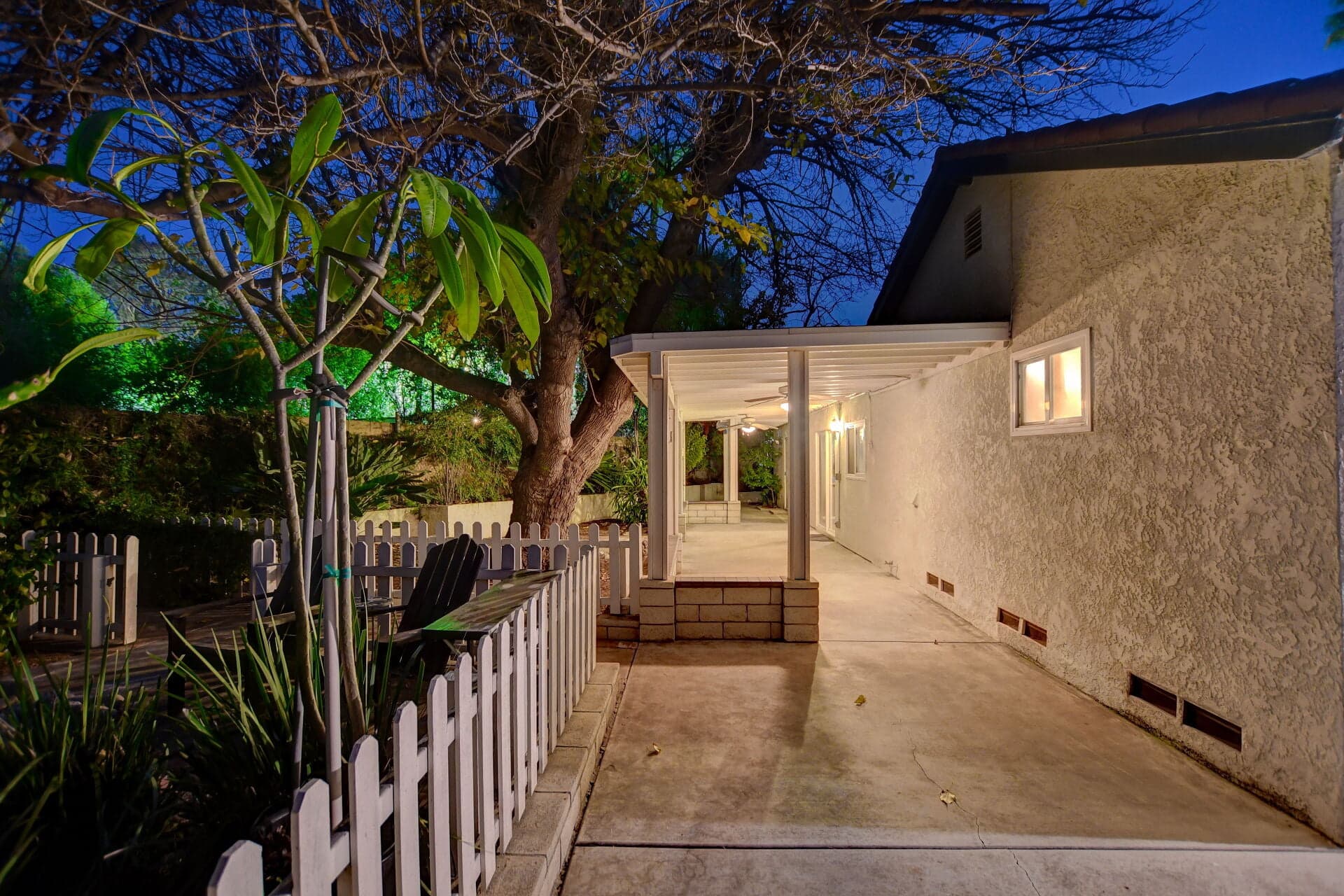
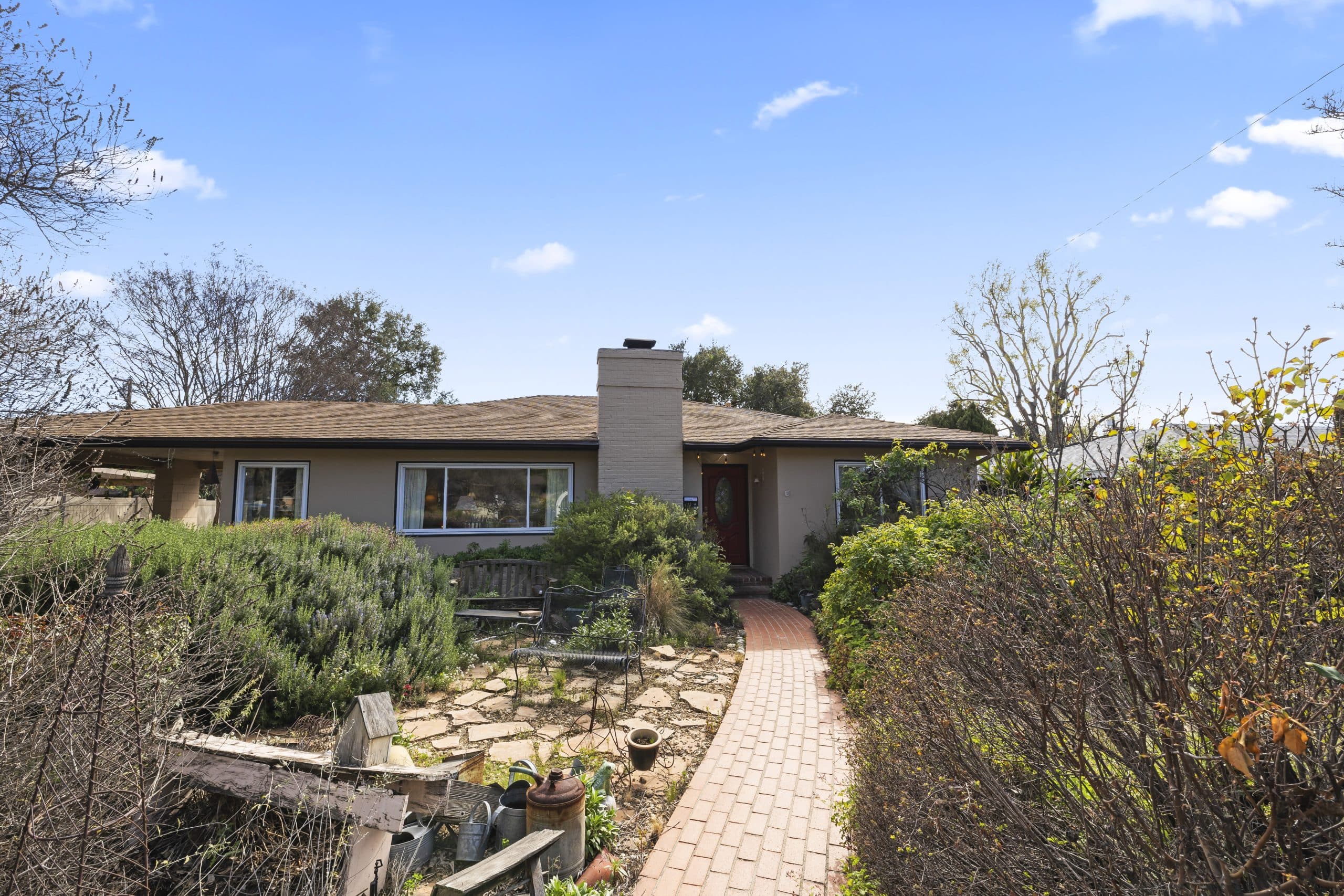
The postwar single-story ranches that dominate much of the town are a reasonable fit: bedrooms cluster, there are no stairs to solve, and lots are often generous. The common shortfall is a single bathroom in the bedroom wing and only one living space.
Larger north-side properties frequently have both the square footage and the yard for a detached solution.
Older homes near the Village vary enormously — some have excellent room counts and awkward circulation, which is workable, and some are simply small.
Newer construction in the town often includes a downstairs bedroom and bath as standard, which is the single most useful feature for this purpose.
The ADU question
An accessory dwelling unit is the strongest structural answer for multigenerational living, because it gives genuine independence — a separate entrance, a separate kitchen, and no negotiation about the television — while keeping everyone on one parcel.
Two honest caveats. It is a real construction project with permits, timeline, and disruption. And California's rules in this area have been changing steadily, so the current state requirements and the City of Claremont's own process should be confirmed with the city directly rather than taken from any article.
It is worth adding that an ADU built for a parent remains an asset afterward, which many families consider a point in its favor. But it is not the only route, and a well-planned interior conversion serves a great many households perfectly well.
Money, said out loud
Uncomfortable and necessary.
Write down who contributes what to the mortgage or rent, utilities, groceries, and maintenance. Decide what happens to any contribution an older parent makes toward a renovation — whether it is a gift, a loan, or an interest in the property — and get that in writing with counsel involved. Consider how the arrangement interacts with an estate plan, since one child housing a parent while others do not is a classic source of later dispute, and it is far better resolved in the open now.
Any question about property tax consequences of a title change belongs with the Los Angeles County Assessor and a CPA, not with a family conversation, and certainly not with an article.
Above all: an older adult contributing money should have their own independent advice. Not the family's attorney — their own. The article on protecting an older owner's decisions explains why that safeguard protects an honest family as much as it protects the parent.
What makes it last
Households that thrive at this tend to share a few habits. They set expectations explicitly and revisit them. They protect each person's autonomy, including the grandparent's right to have their own plans and to decline. They keep outside lives going, which matters enormously — a resident grandparent who has stopped seeing their own friends is not thriving, whatever the house looks like. And they treat the arrangement as reviewable rather than as a permanent verdict.
They also keep the older adult connected outside the household, which the support-network playbook and the piece on a block's informal safety net both address. Family is not a substitute for a wider world.
A fair summary
Multigenerational living is neither a compromise nor a failure of planning. For many families it is the best available answer, and Claremont's housing and its walkable center suit it better than most places.
It just rewards being designed rather than drifted into. An honest conversation, a second bathroom, a door that closes, and a written understanding about money will carry a household further than any amount of goodwill on its own.
The senior living and housing guide maps the full set of options. If a family is weighing whether a particular Claremont home can absorb another generation, that conversation is available with no agenda and no cost. Anthony Grynchal has been licensed in California since November 2009.
Frequently asked questions
What should a family settle before combining households?
Whether it is permanent or a stage, who owns what and what happens if circumstances change, what the older adult's role is and is not, particularly around childcare, and what the plan is if care needs increase. Ambiguity on any of these is what later causes trouble.
What does the house most need to provide?
Separation without isolation. A private bedroom with a real door, bathroom arrangements that do not force a grandparent and teenagers to share, a second place to sit so nobody retreats to a bedroom, ground-floor living where possible, some kitchen autonomy and basic sound separation.
Is an ADU the best structural answer?
It is the strongest, since a separate entrance and kitchen give genuine independence while keeping everyone on one parcel, and it remains an asset afterward. It is also a real construction project, and current California and City of Claremont requirements should be confirmed with the city directly.
How should the money side be handled?
In writing. Record who contributes to mortgage, utilities, groceries and maintenance, and define whether a parent's contribution to a renovation is a gift, a loan or an interest in the property. Property tax consequences of any title change belong with the County Assessor and a CPA.
What makes these households last?
Explicit expectations that get revisited, real respect for each person's autonomy including the grandparent's right to decline, outside lives and friendships kept going rather than absorbed into the family, and treating the arrangement as reviewable rather than as a permanent verdict.

Written by
Anthony Grynchal
Anthony Grynchal is a California real estate professional with eXp Realty, licensed since November 2009 (California DRE# 01873626), and the Designated Local Expert™ for Claremont — where he has lived for more than 33 years.
More about AnthonyPublished · Updated