Every household has at least one activity that takes up space, makes noise, or both. Bikes. A woodshop. A piano. Climbing gear, a sewing table, a telescope, a kiln.
Houses are bought on bedrooms and sold on kitchens, and then the hobby has to go somewhere. In an older Claremont house with few closets and a garage already doing three jobs, that question decides more about daily satisfaction than the number of bathrooms does.
Sort the hobby first
Before looking at a house, sort what you do into three buckets, because each one wants something different.
- BULKY BUT QUIET. Bikes, camping equipment, sports gear, a bulk of materials. Needs volume and easy access to the outside. Does not need isolation.
- NOISY OR MESSY. Woodworking, metalwork, anything with a compressor, anything that throws dust. Needs a separate building or a very tolerant block, plus ventilation and power.
- QUIET BUT PERMANENT. A piano, a loom, a large desk, a model railway. Needs a fixed footprint inside the conditioned house that nothing else competes for.
Most disappointment comes from assuming a house can hold the second category because it held the first.
Bulky and quiet: the access question
For gear, the constraint is not floor area. It is the ROUTE. A bike that lives in the garage is used; a bike that lives behind two other bikes at the back of a garage that must be entered through the house is not.
Look at the side gate width, the garage side door if there is one, and whether there is any hard surface between where the gear lives and where it goes. The bike case in particular is worth being honest about, since the whole point of the town is that short trips are genuinely rideable, which the bike guide lays out. A bike that takes four minutes to extract will lose to the car every time.
The competing claim, as always, is storage. Once seasonal boxes and the overflow from a closet-poor house are in the garage, the gear ends up stacked, and stacked gear is unused gear. That chain is the subject of the storage guide.
Noisy and messy: the detached building
Here the honest answer is that an attached room in an older house is usually the wrong home for it, and a detached structure at the rear of the lot is usually the right one.
Three things to check before assuming a rear building will serve. What POWER reaches it, since a lot of older garages carry a single lightly loaded circuit and a serious tool wants more. What VENTILATION exists, since dust and fumes in a closed building are a health problem before they are a nuisance. And what the structure is permitted for, which is a question for the City of Claremont rather than for a listing description or a previous owner's assurances.
Then the neighbors. On a quiet block with close lots, a machine running for two hours is heard by five households. This is not a reason not to do it; it is a reason to do it in the middle of the day and to say so in advance. The working version of this whole problem is covered in the studio-space guide.
Quiet but permanent: finding a wall
A piano, a large loom, or a serious desk needs something older houses are short on: an uninterrupted WALL, away from a doorway, out of direct sun, in a room that is not a corridor.
Older plans are full of rooms with four doorways and three windows, which leaves almost no continuous wall. Walk a candidate house looking specifically for the longest unbroken run in each room. That single measurement tells you whether the instrument fits and where.
Two more constraints for anything with strings or a finished surface. Direct sun and a west window will do real damage over years. And an exterior wall in an older uninsulated house swings further in temperature and humidity than an interior one. The best spot is usually an interior wall in a room with indirect light, which is also, inconveniently, the best spot for a desk. The competition between those two is the whole subject of the desk-placement guide.
The hobby that lives outside
A long outdoor season means some activities can simply live in the yard, which is the cheapest square footage available. Growing things, working on a bike, drying or curing something, and anything that benefits from being hosed down afterward.
What that needs is modest and specific: a hard level surface, shade over it, a hose bib, an outlet, and somewhere the equipment can be locked when it is not in use. Gardeners already know this arithmetic, and the gardening guide covers what a Claremont lot supports.
What to check at a showing
- Longest unbroken interior wall in each room, in feet.
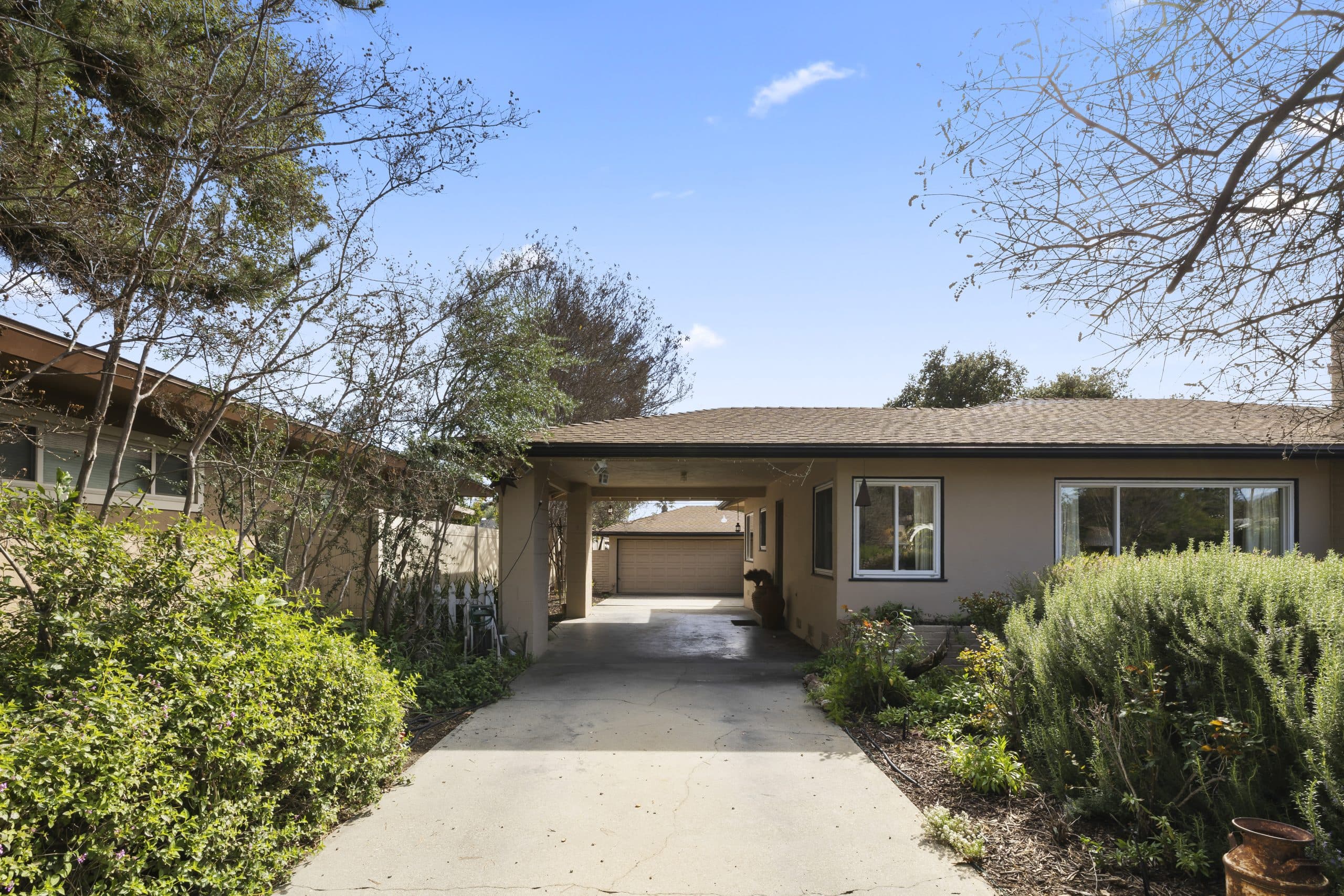
- Side gate width and whether the route to it is level.
- Electrical panel location and what reaches the garage.
- Whether any room can be closed off from the rest of the house.
- Whether the rear building has heat, light, and a floor you can work on.
- How close the nearest neighbor's bedroom window is to where you would make noise.
Where to go next
The cluster index is the lifestyle guide, and the closest neighbor here is the parking-capacity guide, because a hobby and a car usually end up bidding for the same building. For whether a particular house can hold what you actually do, walk it with the equipment in mind. Anthony Grynchal has been licensed in California since November 2009.
Frequently asked questions
What determines whether a hobby fits in an older Claremont house?
Sorting it correctly first. Bulky quiet gear needs volume and a clear route outside. Noisy or messy work needs a detached building with power and ventilation. Quiet permanent items like a piano need an uninterrupted interior wall out of direct sun. Assuming a house that handles the first can handle the second is the usual mistake.
What should I check before planning a workshop in a rear building?
What electrical service reaches it, since many older garages carry a single lightly loaded circuit; what ventilation exists, since dust and fumes are a health issue before they are a nuisance; and what the structure is actually permitted for, which is a question for the City of Claremont rather than for a seller.
Where should a piano go in an older house?
Against the longest unbroken interior wall, away from doorways, out of direct sun, and preferably not on an exterior wall. Uninsulated exterior walls swing further in temperature and humidity, and a west window will do real damage to a finish over years.
Why do bikes end up unused in a garage?
Because of the route rather than the space. If a bike sits behind other items in a garage that must be entered through the house, extracting it takes minutes and the car wins. Check side gate width, a garage side door, and whether the path to the street is level and hard-surfaced.

Written by
Anthony Grynchal
Anthony Grynchal is a California real estate professional with eXp Realty, licensed since November 2009 (California DRE# 01873626), and the Designated Local Expert™ for Claremont — where he has lived for more than 33 years.
More about AnthonyPublished · Updated