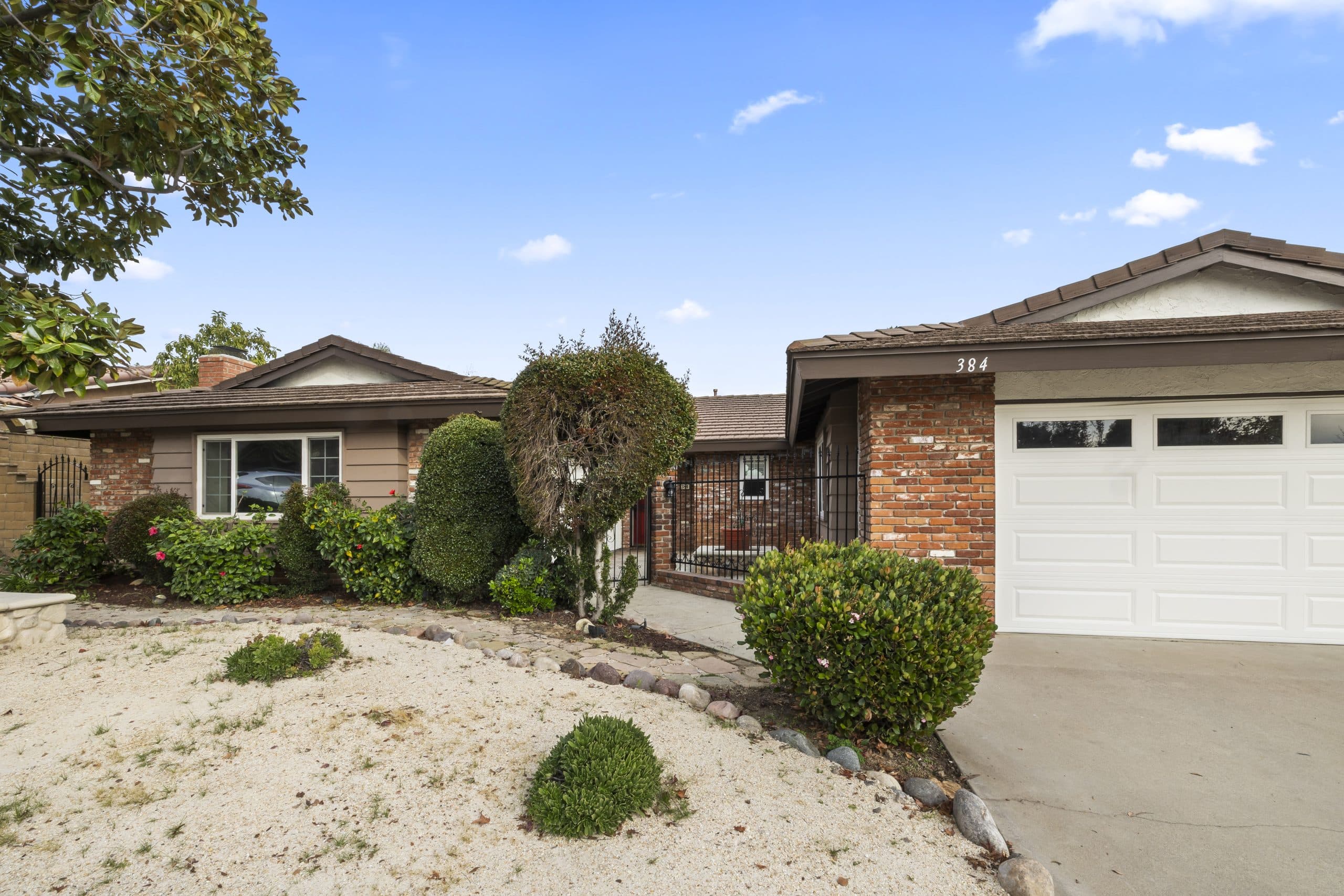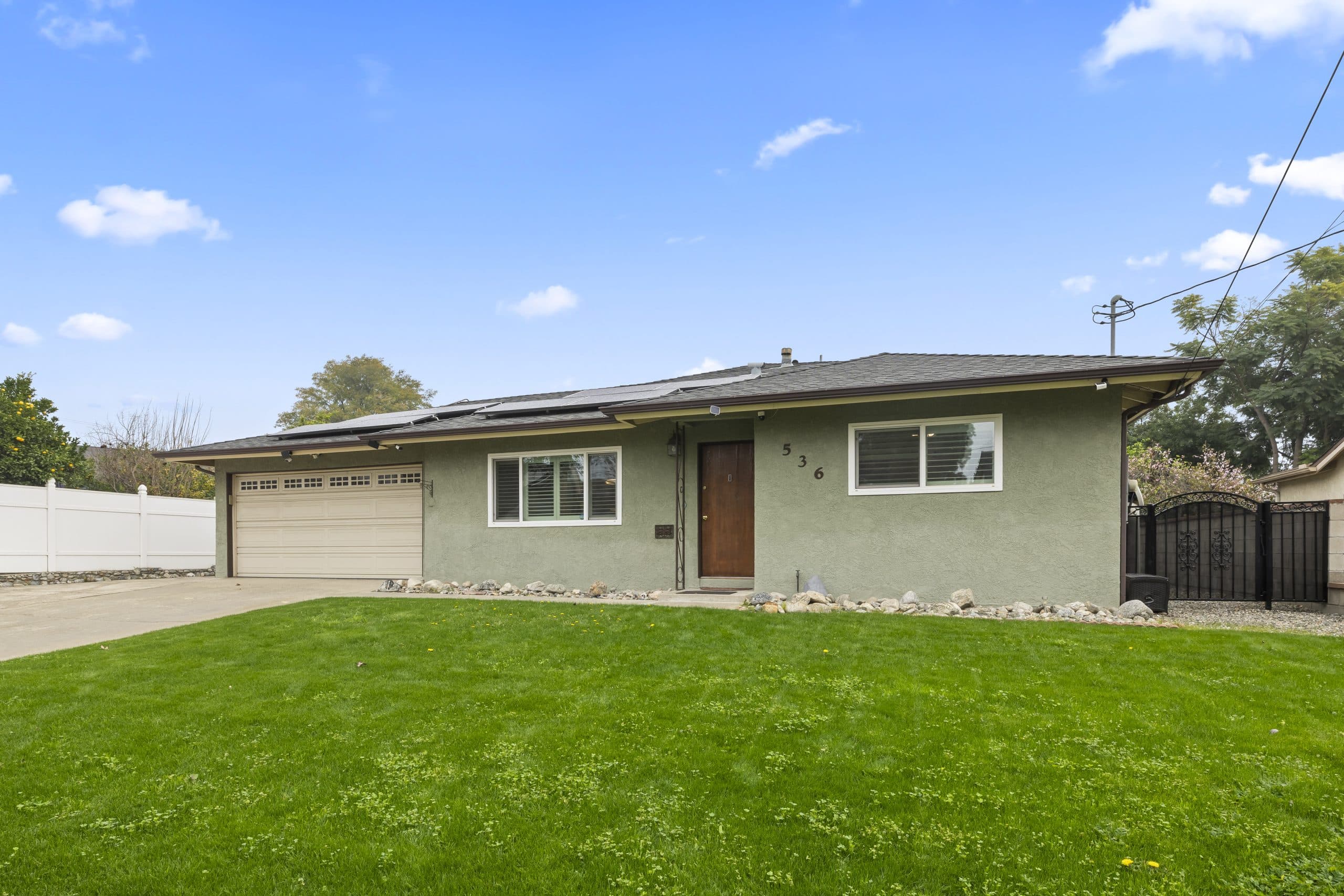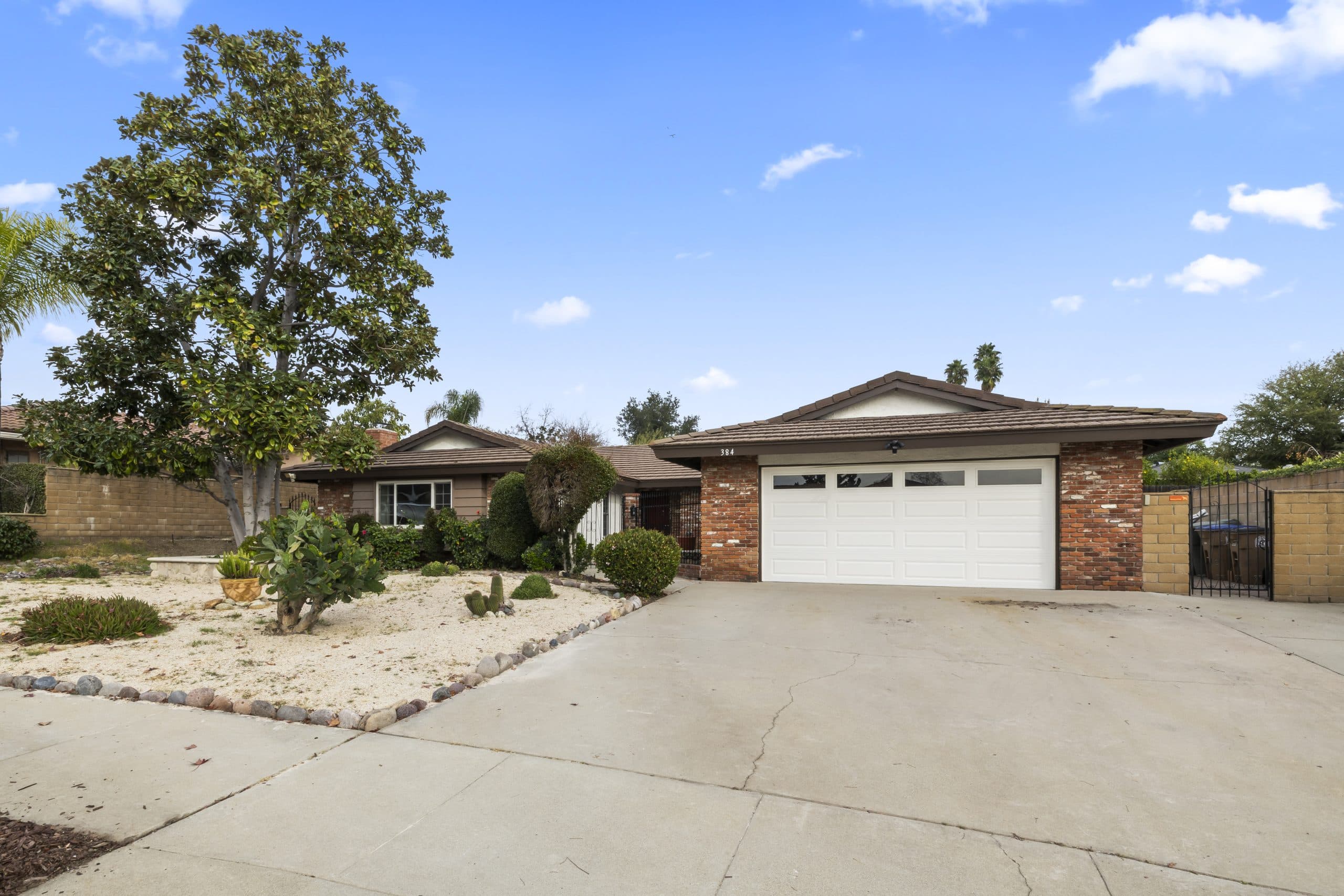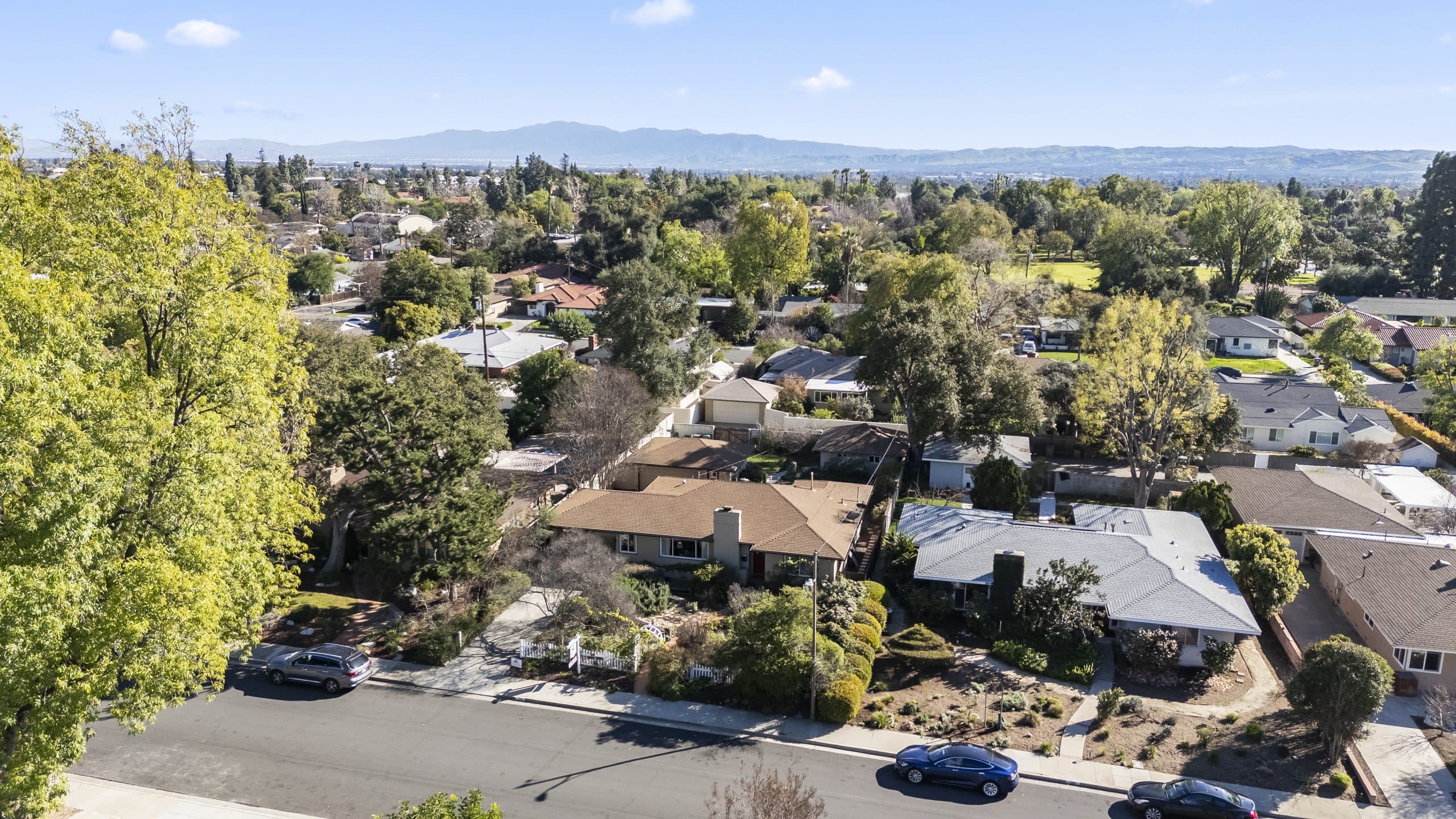
Here is a household function that did not exist in any meaningful way when most of Claremont's older houses were designed, and now runs several times a week: things arrive.
Groceries, medication, parts, furniture, the ordinary river of boxes. Every one of them lands at a front door that was built for a visitor and a letter carrier, and how well that goes is a property-specific question with surprisingly concrete answers. It is also almost never discussed at a showing, which is why it belongs in a guide.
What the older housing stock gets right
More than you would expect, actually.
THE PORCH. A deep covered porch is the single best delivery infrastructure ever built, and Claremont has a great many of them. It keeps a package dry, keeps it out of direct sun, and — because it sits above the sidewalk and behind a rail — keeps it less visible from the street than a box left on a flat step.
THE SETBACK. Older lots here typically place the house back from the road behind planting, which means the front door is not on public display. That is a modest but genuine deterrent.
THE MAIL SLOT. Some period houses have one in the door, which is a small and very civilized thing: paper mail goes inside the house rather than sitting in a box at the curb.
THE NEIGHBORS. This matters more than any hardware. On blocks where people are outdoors and know each other — the pattern the front-porch guide describes — packages get noticed, moved into shade, and mentioned. That is a real security layer and it is one of the practical dividends of the town's face-to-face habits.
What it gets wrong
Three recurring problems.
THE LONG DRIVEWAY. Deep lots with the house set well back, or a detached garage at the rear, create a genuine ambiguity about where a driver leaves things. Packages end up at the gate, at the garage, or wherever the driver decided, and the answer changes with the driver.
THE UNCLEAR ENTRY. Some older houses have a front door that is not obviously the front door — a side entry that gets used daily while the formal one faces the street and is never opened. Drivers guess, and they guess differently each time.
HEAT. This is the local one, and it is specific. An afternoon on a west-facing step in the warm months is genuinely hard on anything perishable or medical. A shaded or east-facing drop point is not a nicety here; for some households it decides whether a delivery service is usable at all. This is the same orientation logic that runs through the night-shift guide for different reasons.
Theft, honestly
Package theft happens in most places, including quiet ones, and the sensible posture is neither alarm nor denial.
What actually reduces it is boring: a drop point that is not visible from the street, a habit of retrieving things the same day, a neighbor who will move a box, and a delivery preference set to hold-and-collect for anything valuable. Hardware helps at the margins — a lockable box, a camera — but visibility and timing do more.
What matters for a house hunt is the geometry. Stand at the sidewalk and look at where a box would sit. If you can see it clearly from a moving car, that is worth knowing. If it would sit behind a rail, a hedge, or a porch column, that is worth knowing too.
The things that do not fit through the door
Furniture, appliances, and building materials are their own category, and older houses complicate them.
Check the width of the front door and the turning space in the entry. Check whether there is a second, wider way in — a back door onto the drive, a set of French doors, a garage that connects. Check the path from the street: steps, gates, narrow side yards, and low branches all constrain what can physically reach the house. And note where a truck would stop, because on a street with narrow frontage and parked cars, that is not always in front of your house.
Households that stock up by vehicle rather than by delivery have a related but different set of requirements, worked through in the driving guide.
A walkthrough checklist
Where is the obvious front door, and is it the one the household will use? Is the drop point covered, and which way does it face in the afternoon? Can you see it from the street? How far is it from the curb, and what is in the way? Is there a mail slot or a box, and where is it? Is there a wider second entry for large items? And where does a delivery van actually stop on this block?
None of this decides a purchase on its own. All of it is easier to notice before you own the house than after the third melted delivery.
One habit worth adopting early, and it costs nothing. Once you know where drivers actually leave things at your address — which takes about two weeks of observation, not guesswork — set that spot up properly and give the same instruction to every service you use. A consistent, named drop point does more than any single piece of hardware, because the variability is the problem: five drivers making five different decisions is what produces the box in the sun, the box at the gate, and the box that was never found. Consistency also makes it obvious to a neighbor when something is where it should not be.
Where to go next
The lifestyle guide holds the rest of these small daily mechanics that add up. The natural companion is the market-day guide, since between deliveries and a weekly haul, the path from the curb to the kitchen is one of the most-used routes in any house. Anthony Grynchal has been licensed in California since November 2009.
Frequently asked questions
Are older Claremont homes good for package deliveries?
Better than expected. Deep covered porches keep parcels shaded and out of sight, generous setbacks keep the front door off public display, and some period houses have a mail slot in the door. The weak points are long driveways, ambiguous entries, and west-facing steps in warm weather.
What is the biggest delivery problem in Claremont's climate?
Heat on an exposed drop point. An afternoon on a west-facing step in the warm months is genuinely hard on anything perishable or medical, so a shaded or east-facing landing spot matters more here than in milder places. For some households it decides whether a delivery service is usable at all.
How do I reduce package theft at a Claremont house?
Geometry and timing do most of the work: a drop point that is not visible from a passing car, same-day retrieval, and neighbors who will move a box. Lockable boxes and cameras help at the margins. Set valuable shipments to hold-and-collect rather than relying on the doorstep.
What should I check about deliveries before buying a house?
Which door drivers will actually use, whether the drop point is covered and which way it faces in the afternoon, whether it is visible from the street, and whether there is a wider second entry for furniture and appliances. Also note where a delivery truck can physically stop on the block.

Written by
Anthony Grynchal
Anthony Grynchal is a California real estate professional with eXp Realty, licensed since November 2009 (California DRE# 01873626), and the Designated Local Expert™ for Claremont — where he has lived for more than 33 years.
More about AnthonyPublished · Updated