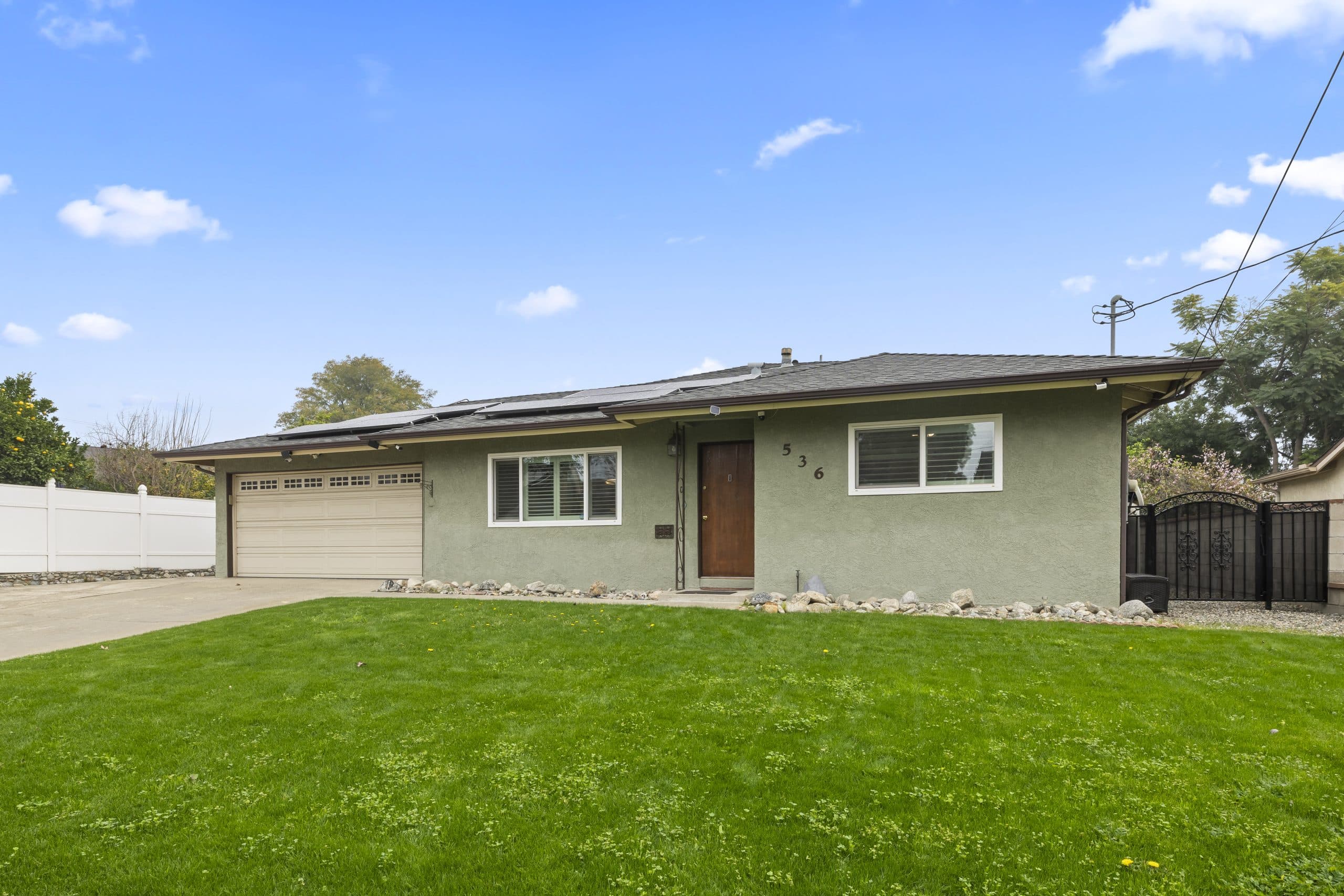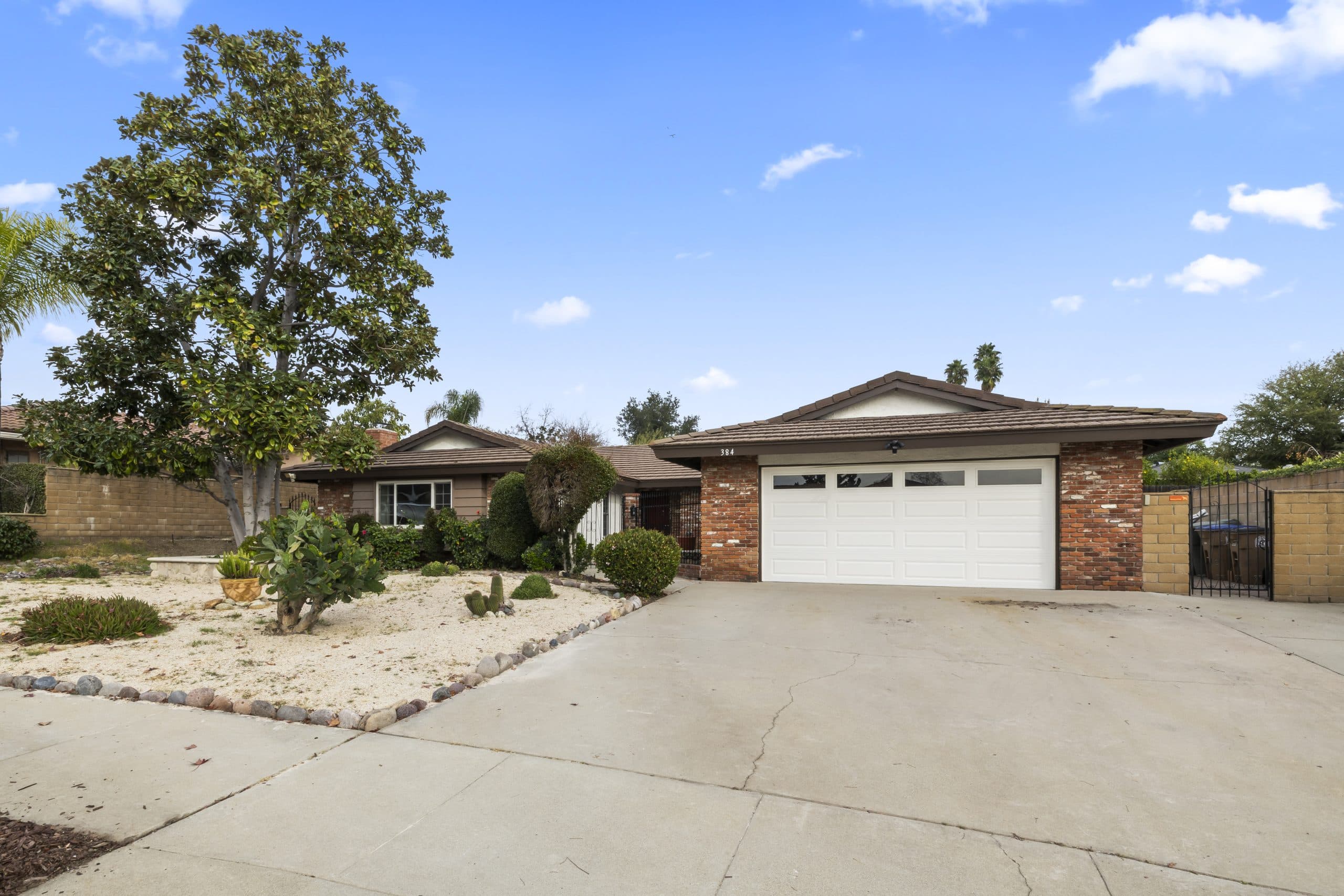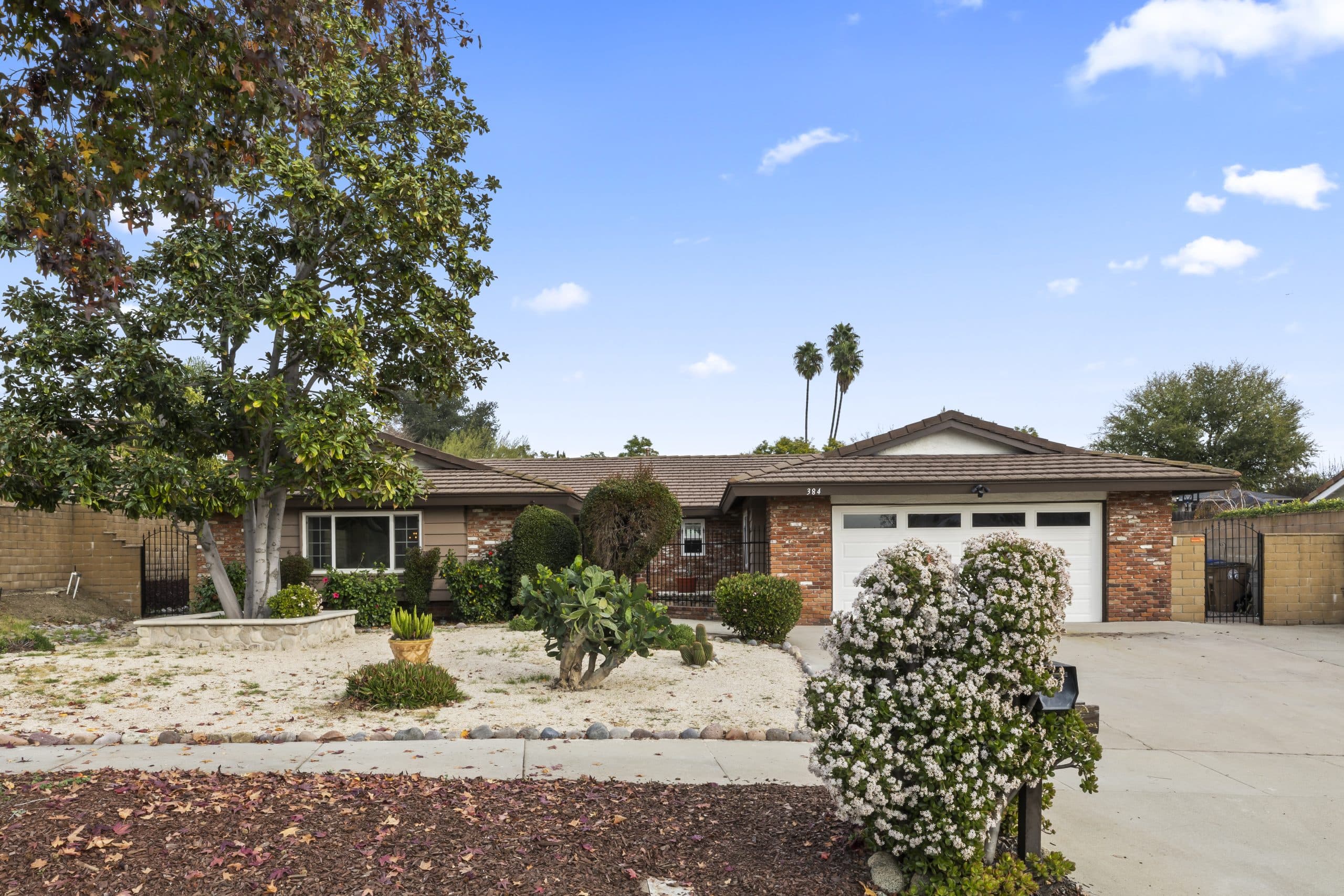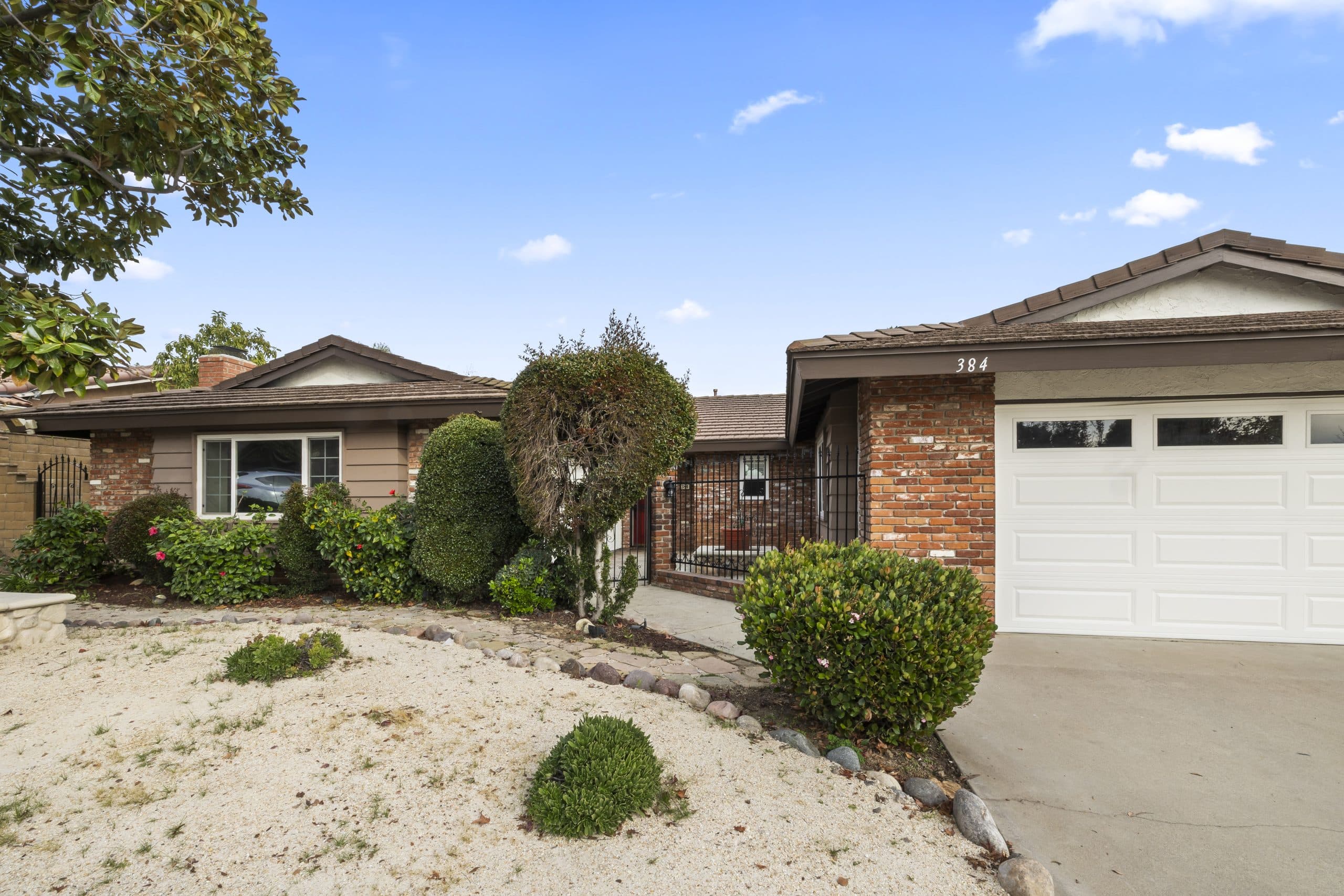
Drive a well-established Claremont street and you will notice something that takes a while to name: very little of it is trying to impress you.
Front elevations are modest. Entries are human-sized. Gates are low or absent. The trees are larger than the houses. Even substantial properties tend to sit back behind planting rather than presenting themselves to the road. This is not an accident of era, and it is not universal — but it is consistent enough that a household arriving from somewhere with different conventions should understand it before they buy, improve, or sell here.
Where the restraint comes from
Several forces pushing the same direction over a long period.
THE ERA OF THE HOUSING STOCK. A large share of the older neighborhoods was built in periods whose domestic architecture was deliberately unshowy, where craft appeared in proportion, materials, and detail rather than in scale. Those buildings set the tone for everything built between and around them.
THE CANOPY. When the street trees are the dominant visual element, a house that competes with them loses. The canopy imposes a kind of modesty on the streetscape simply by being bigger and older than anything under it — a point the town-identity guide takes up at length.
THE INSTITUTIONS. A town organized around colleges tends to value what is inside a thing over what it looks like from outside, and that disposition leaks into the domestic architecture and into the neighborhood conversation about it.
THE REGULATORY LAYER. Claremont takes design, trees, and historic character seriously, and the rules and review processes that flow from that shape what gets built and remodeled. These change over time and vary by property, so treat them as something to CONFIRM with the city for a specific address rather than as folklore.
What understated does not mean
Two clarifications, because the aesthetic is easy to misread.
It does not mean cheap. Restraint on the street frequently sits in front of considerable investment behind it — a rebuilt kitchen, a deep back garden, a fully reworked interior. Reading a Claremont block by front elevations alone will mislead you badly about what is inside the houses.
It does not mean uniform. There is genuine architectural range here across eras and streets, and some blocks are much more expressive than others. The commonality is not style, it is the absence of a competition for attention.
What it means when you improve a house
This is where the aesthetic becomes practical, and where newcomers most often mis-step.
The improvements that land well here are the ones that read as CARE rather than as ANNOUNCEMENT. Restored windows, a repaired porch, correct materials, a garden that is obviously tended, paint that suits the era of the building. The improvements that land poorly are the ones that break the street's scale or its rhythm: an elevation raised well above its neighbors, a hard wall or tall gate where the block runs open, or a front yard converted into parking.
There is a resale dimension to this and it is worth being blunt about. In a market where the neighborhood's character is a large part of what people are buying, work that fights the neighborhood tends to narrow the pool of buyers who want the house. Work that fits the neighborhood tends to widen it. You do not have to like that dynamic to plan around it.
And the front yard specifically is a public-facing surface here in a way it is not everywhere, which is one more reason the planting and the entry get the attention they do — the garden guide covers how seriously that is taken locally.
What it means when you are buying
Three practical consequences.
FIRST, do not skip a listing on its exterior. The understated convention means the photograph of the front is a poor predictor of the house, and some of the best interiors in town sit behind the least assertive elevations.
SECOND, budget attention rather than money for the front. On a street that reads as maintained, an unmaintained front is conspicuous in a way it would not be elsewhere, and the fix is usually planting and repair rather than a renovation.
THIRD, calibrate your expectations about what a house will SIGNAL. If part of what you want from a home is that it announces something to the street, this is an unusual town to try that in, and you will spend your ownership slightly out of step with the block. That is not a moral failing, it is a fit question, and it is exactly the kind of thing the fit guide exists to surface before a purchase rather than after one.
The quiet version of luxury
What replaces display here is durability and detail: good materials, mature planting, proportions that were right to begin with, and evidence that someone has looked after the thing for a long time. It is a slower aesthetic and it rewards ownership rather than acquisition, which is one reason turnover on the best blocks tends to be low.
If that appeals to you, the town will feel like a relief. If it reads as timid, that is genuinely useful information to have before you commit to a street.
Where to go next
The lifestyle guide covers the rest of these fit-and-form questions. Read the front-porch guide next if you want the social explanation for why the fronts of these houses stay open rather than walled. Anthony Grynchal has been licensed in California since November 2009.
Frequently asked questions
Why do Claremont houses look so modest from the street?
Several forces pushed the same way: an older housing stock from deliberately unshowy periods, a street canopy that dominates anything built under it, an institutional culture that values substance over display, and a regulatory layer that treats design, trees, and historic character seriously.
Does an understated exterior mean the house is modest inside?
Frequently not. Restraint at the street often sits in front of considerable investment behind it, from rebuilt kitchens to fully reworked interiors and deep gardens. Judging a Claremont block by its front elevations will mislead you about what the houses actually contain.
What kinds of improvements fit a Claremont street?
Work that reads as care rather than announcement: restored windows, a repaired porch, era-appropriate materials, tended planting. Work that breaks the block's scale or rhythm tends to land poorly, and in a market where neighborhood character is part of the purchase, that narrows the pool of buyers.
Do I need approval to change the front of a Claremont house?
It depends on the property and the work. The city takes design, trees, and historic character seriously, and the applicable rules and review processes vary by address and change over time. Confirm the current requirements for your specific property with the city before planning anything.

Written by
Anthony Grynchal
Anthony Grynchal is a California real estate professional with eXp Realty, licensed since November 2009 (California DRE# 01873626), and the Designated Local Expert™ for Claremont — where he has lived for more than 33 years.
More about AnthonyPublished · Updated