Moving into a town where people already know each other is a specific experience, and Claremont is emphatically that kind of town. The good news is that it is unusually easy to plug into. The catch is that it happens through recurring commitments rather than through introductions, and that takes a while to figure out from the outside.
This guide is about the mechanics of that, and about the small ways an address and a house make it easier or harder — which is the part nobody puts in a relocation checklist.
Why the recurring commitment is the mechanism
In a place this size, connection is a function of repetition. You meet the same people at the same time in the same place until you know them. One-off events introduce you to nobody; a standing weekly thing introduces you to everybody who also does it.
That is why the households who settle fastest are the ones who commit to something with a SCHEDULE early, almost regardless of what it is. A regular volunteer shift, a standing class, a league, a choir, a board, a monthly work party. The specific activity matters much less than the repetition, and newcomers who wait to find the perfect fit tend to still be waiting a year later.
The second mechanism is proximity. The town's face-to-face habits, which the town-character guide traces to street layout and civic decisions, mean that a household within walking distance of where things happen simply bumps into more people. That is a real and slightly unfair advantage of the walkable radius.
The categories, without naming names
Specific organizations, meeting times, and programs change faster than any article can track, so this covers the SHAPES rather than the names. Current listings live with the city, the library, the colleges' public calendars, and the organizations themselves.
CIVIC. Commissions, committees, and advisory bodies. Slow, formal, and the most direct route to understanding how decisions actually get made in this town.
STEWARDSHIP. Trails, trees, gardens, and public spaces. Outdoors, physical, seasonal, and typically the easiest to try once without committing.
CULTURAL. The exhibitions, performances, and lecture programs that a college town generates in unusual quantity — much of it public, much of it free, and much of it needing hands.
SERVICE. Food, tutoring, and support organizations, generally the most schedule-hungry and the most immediately useful.
RECREATIONAL. Leagues, clubs, walking groups, riding groups. The lowest barrier of all, and often the fastest to produce actual friends.
What each of these has in common is a calendar. Pick by which calendar you can actually keep.
Where the house comes into it
Three connections, and they are more real than they sound.
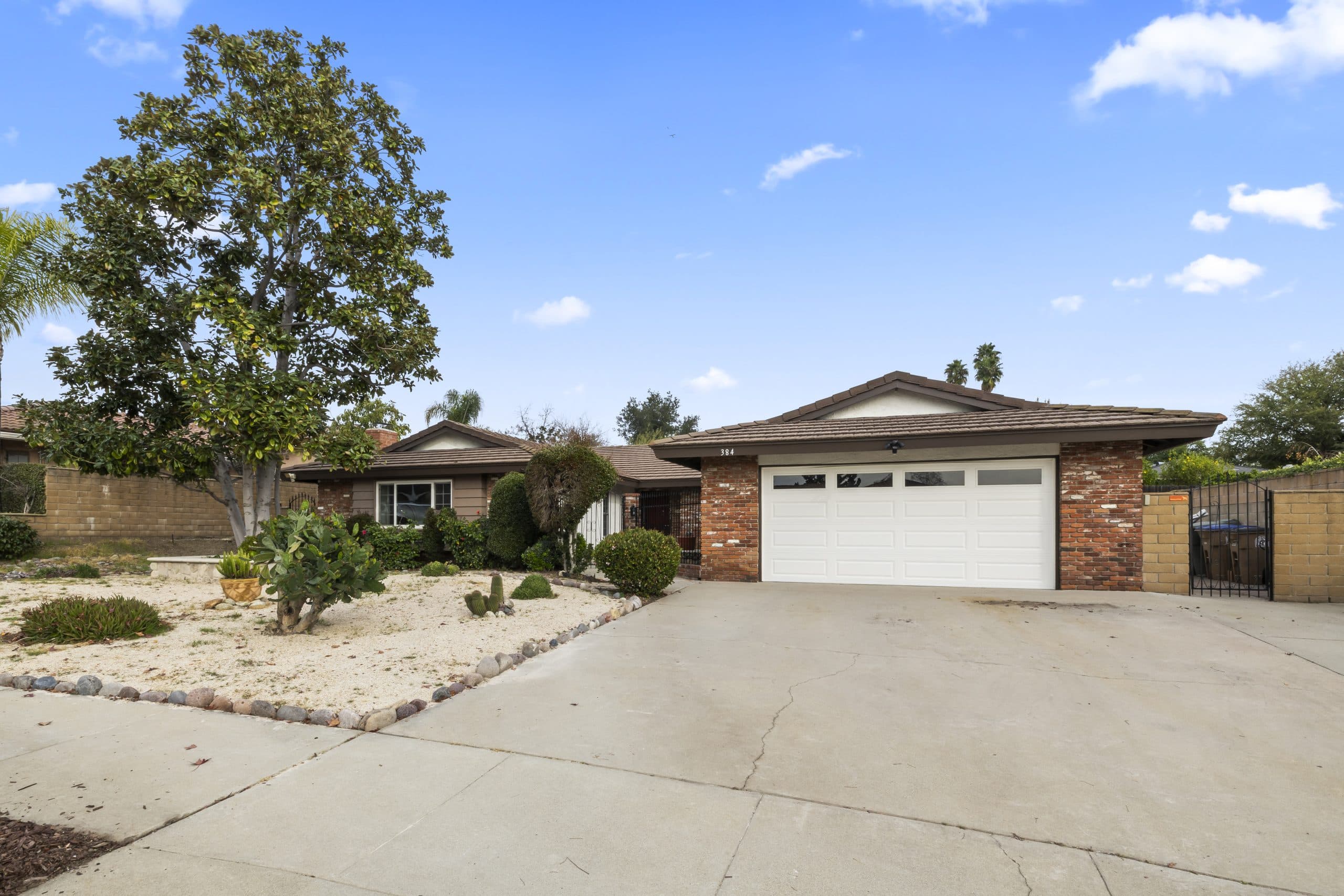
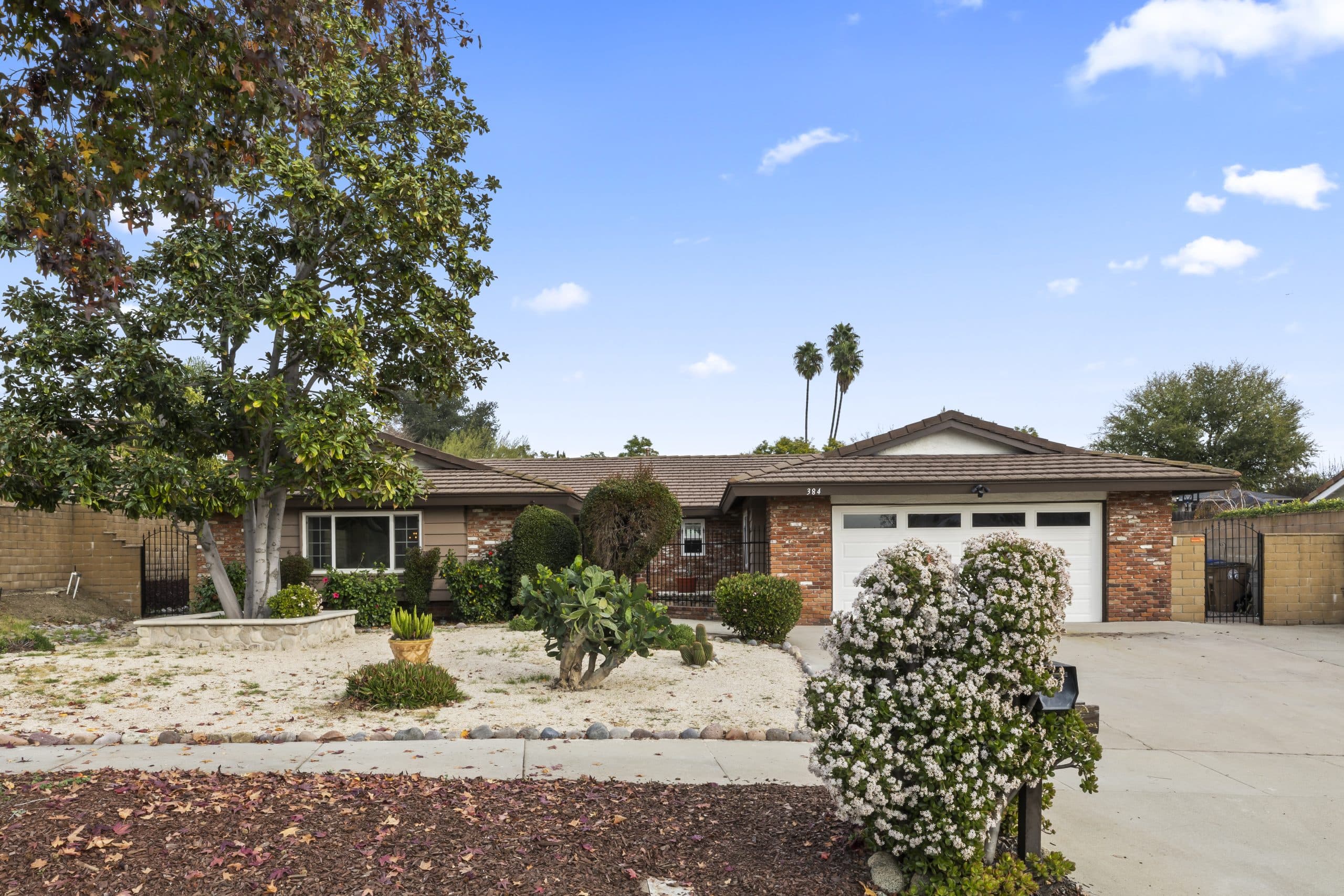
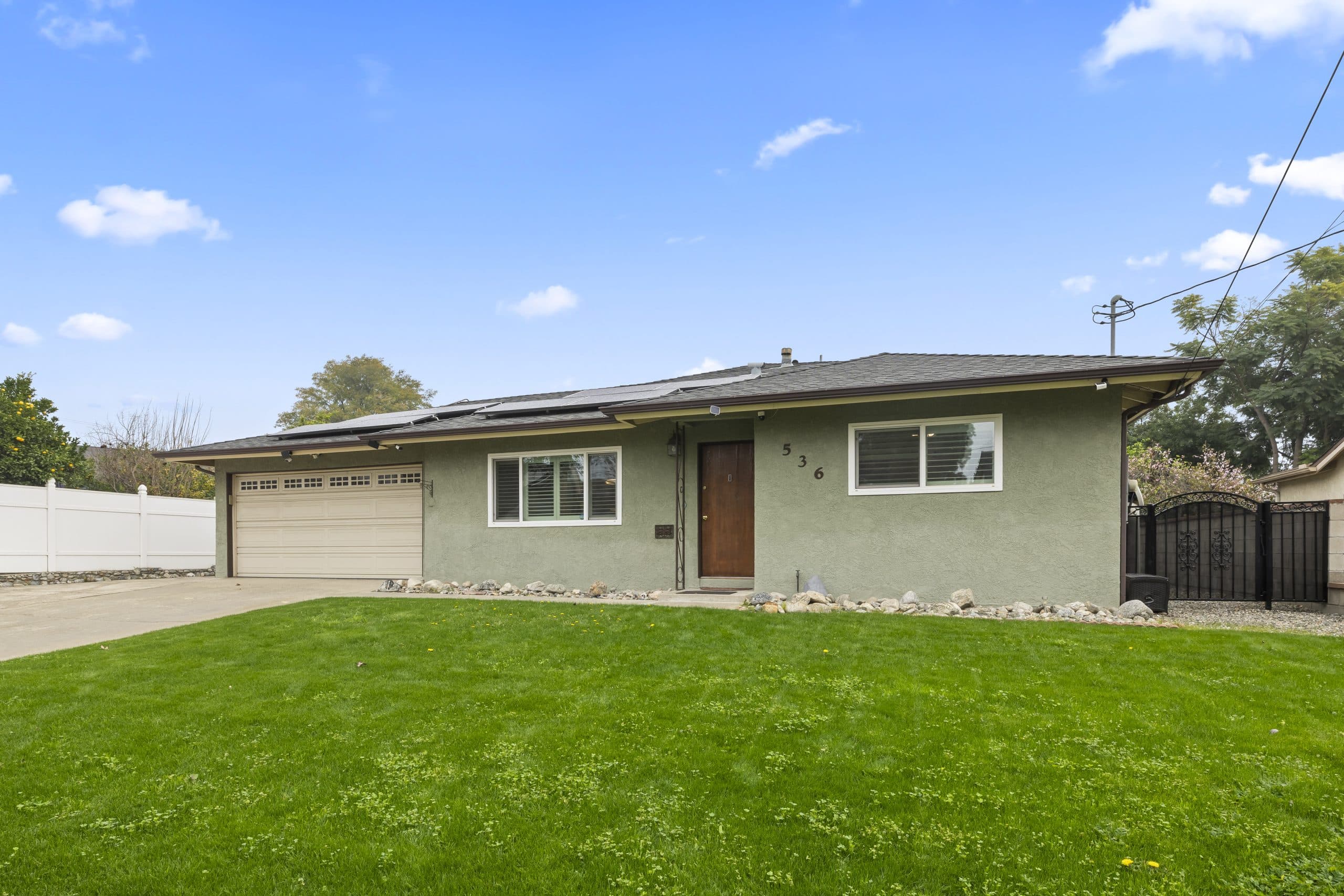
THE FRONT OF THE HOUSE. A porch, a stoop, a bench, or a front garden you actually work in puts you in casual contact with the block. A house whose front is a garage door and a driveway does not, and the households in those houses have to be more deliberate. The front-porch guide is the long version of this.
THE ABILITY TO HOST SOMETHING SMALL. You do not need a large house. You need somewhere that eight people can sit, because at some point the reciprocity turns and the thing meets at your place. A household with nowhere to put eight people stays a guest indefinitely.
THE WALK. If the meeting, the shift, or the class is a walk rather than a drive, attendance survives a bad week. If it is a drive, it does not. That is the practical version of the location premium discussed in the third-place guide, and it applies to commitments as much as to errands.
The honest timeline
Do not expect this to be quick. Recognition takes months and genuine familiarity takes longer, and that is true of any established place. What accelerates it is showing up repeatedly, being useful before being interesting, and asking people what they do rather than telling them what you did.
It also helps to accept that a town with strong existing networks can feel closed before it feels open, and that the feeling is usually about tenure rather than about you. Households that arrive and immediately try to change something tend to have a harder first year than households that arrive and immediately help with something.
There is also a seasonal shape to all of this that newcomers rarely anticipate. A college town runs on an academic calendar, and a great deal of the public programming, the volunteer demand, and the general social density follows it — busier in some months, noticeably thinner in others. A household that arrives during a quiet stretch can conclude, wrongly, that there is not much happening. Give it a full cycle before drawing conclusions, and use the slower months to find the year-round commitments, which are usually the stewardship and service categories rather than the cultural ones.
One last practical note. If your working hours are unusual, most of the recurring commitments above will be unavailable to you, and you will have to build the foothold on days off instead. That constraint is worked through in the night-shift guide.
Where to go next
The lifestyle guide collects the rest of the daily-life questions that decide whether a place fits. If you are still choosing between addresses, read the walkability guide with this one in mind, because the same radius that shortens errands also shortens the distance to everything on your calendar. Anthony Grynchal has been licensed in California since November 2009.
Frequently asked questions
What is the fastest way to get involved in Claremont as a newcomer?
Commit to something with a recurring schedule early, almost regardless of what it is. Connection in a town this size runs on repetition rather than introductions, so a standing weekly or monthly commitment does far more than any number of one-off events.
Where do I find current Claremont clubs and volunteer opportunities?
The city, the public library, the colleges' public calendars, and the organizations themselves. Specific programs, meeting times, and contacts change often enough that any published list goes stale, so go to the source rather than to a summary.
Does where I live in Claremont affect how easily I meet people?
Somewhat, in two ways. A house with a usable front — a porch, stoop, or front garden — puts you in casual contact with the block, and a walkable distance to your commitments means attendance survives a bad week. Neither is decisive, but both tilt the odds.
How long does it take to feel settled in Claremont?
Longer than most people expect, because it depends on repetition rather than effort. Recognition takes months and real familiarity takes longer, which is true of most established places. Showing up regularly and helping with existing efforts moves it along faster than trying to start something new.

Written by
Anthony Grynchal
Anthony Grynchal is a California real estate professional with eXp Realty, licensed since November 2009 (California DRE# 01873626), and the Designated Local Expert™ for Claremont — where he has lived for more than 33 years.
More about AnthonyPublished · Updated