Ask people why Claremont streets feel different and most of them describe the houses. They are half right. The other half is overhead, and it is doing more design work than any single building on the block.
The mature street canopy is not landscaping. It is ARCHITECTURE - a ceiling over the public room of the street, built slowly, held in common, and impossible to reproduce on demand. This article treats it as such, and it deepens the architecture guide.
The canopy as a room
A street is a space, and spaces need proportion. A wide roadway with low houses either side and nothing above reads as a leftover gap. Put a continuous canopy over the same street and the proportions resolve: you get a floor, two walls of facades, and a ceiling. The eye finally has a room.
That is why a treed block feels enclosed and comfortable while an identical block without trees feels exposed. The buildings did not change. The ceiling did.
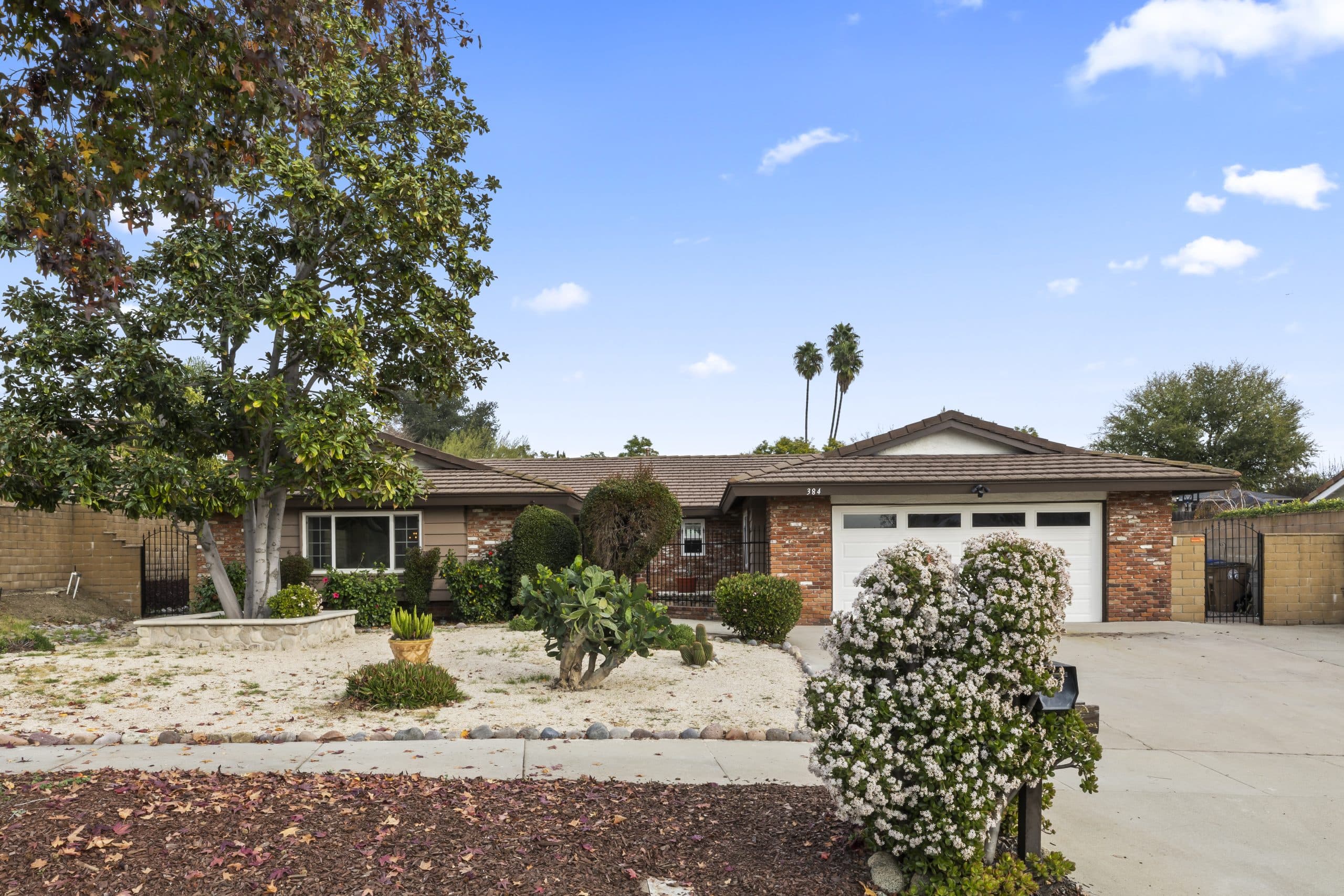
Scale works the same way. A tall canopy makes a single-story house look settled rather than small - one reason the postwar blocks the ranch guide describes read so well here. The low horizontal line and the high green ceiling are a genuinely good pairing, and neither works as well alone.
What the canopy does to the house
LIGHT. Filtered light is different light. Rooms under a canopy get softer, cooler, greener illumination through the day, which flatters period interiors and changes what window treatments a house needs. It also means a north-facing room on a heavily shaded lot can be genuinely dim, which is worth noticing at a showing rather than after. The windows and light guide covers what each era's glazing was trying to achieve.
TEMPERATURE. Shade over a roof and over the pavement in front of it changes how hard the house has to work through a hot afternoon. Older houses in particular were designed around exactly this - deep eaves plus tree shade, before mechanical cooling was assumed.
THE APPROACH. The canopy is the first thing you walk under, and it sets the tone before the front walk even begins - the outermost stage of the entry sequence.
What the canopy does to the property
Trees are not free. The ownership realities are practical and worth knowing before purchase rather than after.
ROOTS AND HARDSCAPE. Mature roots lift sidewalks, driveways, and patios over time, and they find sewer laterals and old irrigation. That is a maintenance chapter on a treed lot, not a defect.
DEBRIS AND DRAINAGE. Leaf load fills gutters and valley flashings, and a roof that drains poorly under a heavy canopy is a roof that ages faster. Gutters on a treed lot are a scheduled item.
LIMBS AND STRUCTURES. Overhanging limbs above a roof or an outbuilding are an insurance conversation as much as an arborist one.
None of this argues against trees. It argues for going in informed, and for asking during an inspection who has been maintaining what.
Who owns which tree
This is the question that surprises new owners most, and it does not have a single answer. Street trees in the public parkway, trees on private property, and trees subject to any local protection are governed differently, and the rules on pruning, removal, replacement, and permits are set by the City of Claremont. Before anybody touches a substantial tree - including one that looks like it is in your own front yard - the correct move is to confirm the status and the requirements with the City directly.
Assuming a tree is yours because it is on your side of the sidewalk is one of the more expensive assumptions available.
Why the canopy is irreplaceable
A canopy is a long-duration asset. It was planted by people who would not live to sit under it, and a block that loses its trees does not get them back in a decade or two. That asymmetry - slow to build, quick to lose - is exactly why the town's shaded blocks are as prized as they are, and why the trees show up in how buyers describe streets long before they mention architectural style.
It also means the canopy is a genuine part of what a buyer is purchasing on a treed street, and a genuine part of what an owner is stewarding. Neither shows up on a floor plan.
Reading the canopy on a walk
Tree size tracks development era closely enough to be a dating tell. Cathedral-scale canopy over a block usually means the block is old; thin saplings and gaps mean newer subdivision or recent replanting. Walk a long street and watch the ceiling change height along with the rooflines beneath it - the two histories are the same history.
That is the skill reading a Claremont streetscape teaches, applied upward. This is general information; tree status, protection, and maintenance obligations for any specific property belong to the City of Claremont and to the property's own records.
Anthony Grynchal has been licensed in California since November 2009.
Frequently asked questions
Why does Claremont's tree canopy matter architecturally?
It functions as a ceiling over the street. With a floor, two walls of facades, and a canopy overhead, a street reads as an enclosed room rather than a leftover gap, and a tall canopy makes single-story houses read as settled rather than small.
How does a heavy tree canopy affect the house beneath it?
It filters light to something softer and greener, which flatters period interiors but can leave a north-facing room genuinely dim. It shades the roof and pavement, reducing cooling load. It also increases leaf load in gutters and roof valleys.
Who is responsible for street trees in Claremont?
It depends on where the tree stands and whether any local protection applies. Street trees in the public parkway, private-property trees, and protected trees are governed differently. Confirm status and any permit requirements with the City of Claremont before pruning or removal.
What tree-related issues should a buyer check?
Root lifting of sidewalks, driveways, and patios; root intrusion into sewer laterals and old irrigation; gutter and roof-valley debris load; and limbs overhanging the roof or outbuildings, which is an insurance question as much as an arborist one.

Written by
Anthony Grynchal
Anthony Grynchal is a California real estate professional with eXp Realty, licensed since November 2009 (California DRE# 01873626), and the Designated Local Expert™ for Claremont — where he has lived for more than 33 years.
More about AnthonyPublished · Updated