People describe Claremont streets as pleasant and rarely get further than that. The pleasantness is not vague, though. It is produced by a specific set of design conditions, most of which were set down long before anybody used the word walkable.
Naming those conditions is useful. Once you can see them, you can evaluate any street anywhere - including the one you are considering buying on. This deepens the architecture guide.
Enclosure: the first and biggest factor
Comfortable outdoor space is ENCLOSED space. The eye wants a defined room, and a street becomes one when the vertical elements either side and the canopy overhead are in reasonable proportion to the width of the roadway.
Too little enclosure - wide pavement, distant buildings, no trees - and the street reads as exposed, which people experience as unpleasant without knowing why. Claremont gets its enclosure mostly from the canopy, which is why the canopy guide treats the trees as architecture rather than decoration.
Block length and the reward of turning
Short blocks with frequent intersections give a walker choices and keep the view ahead changing. Long uninterrupted blocks do the opposite: the destination stays the same distance away for too long and the walk feels like effort.
Interconnected street grids also mean multiple routes to the same place, so walking becomes a decision rather than a single obligatory corridor. Towns laid out before the cul-de-sac era generally inherited this and later ones frequently did not.
The setback rhythm
Houses set back a consistent distance produce a rhythm the eye follows easily, and consistency at the STREET WALL matters more than uniformity of style. A block of wildly different architecture with a common setback still reads as coherent; a block of matching houses at random depths does not.
Claremont's setbacks shift by era - closer and more vertical near the older core, relaxing outward as lots widened - and that gradual change is itself pleasant, because it gives each area a distinct feel. The shift is one of the primary dating tells in reading a Claremont streetscape.
Eyes and edges
Streets feel safe when buildings face them. Front doors, porches, and windows toward the street mean occupied frontage and a sense that somebody would notice.
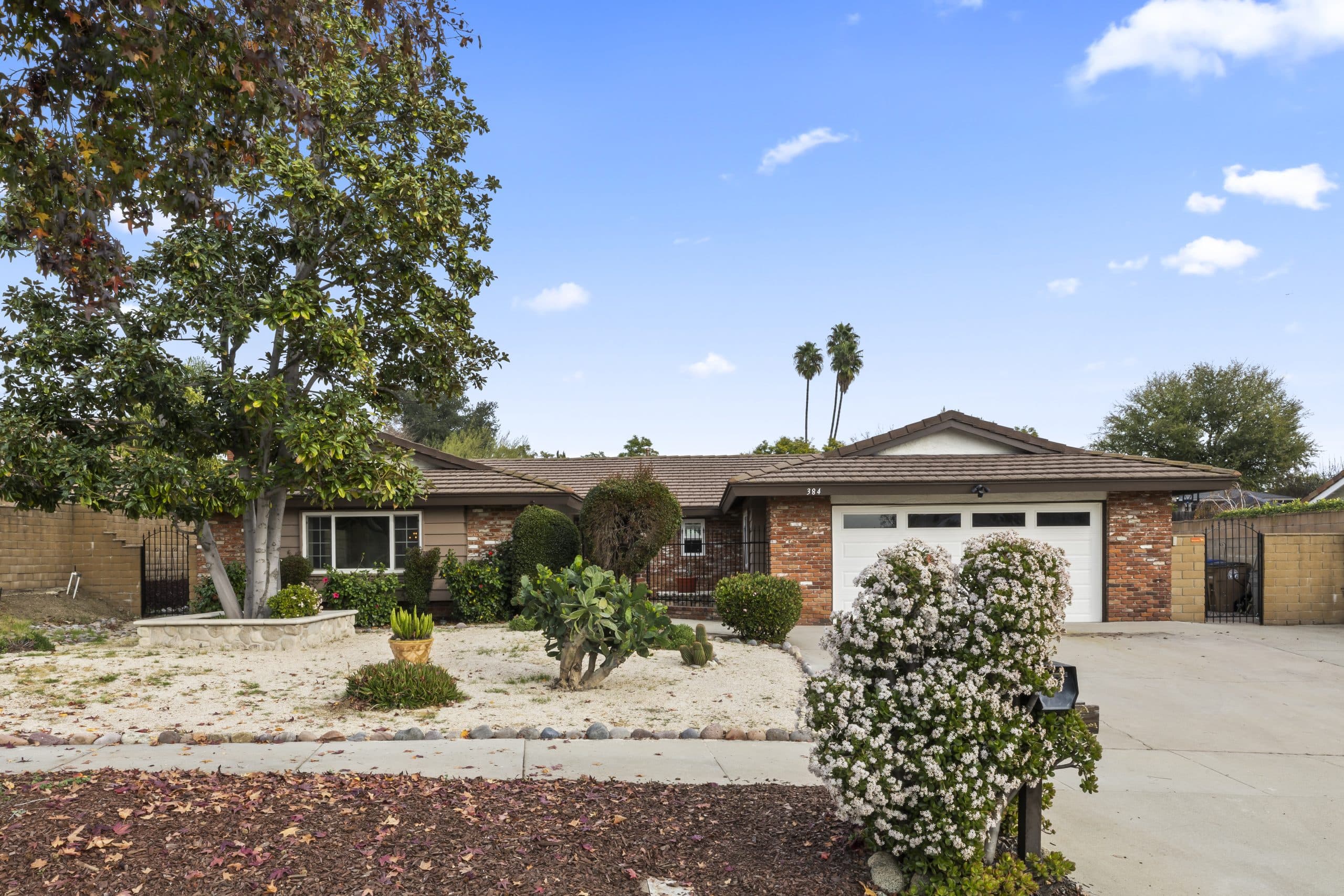
The opposite condition is a street faced by garage doors and blank walls, which is exactly why the migration of the garage from behind the house to the front - traced in the garage guide - changed the character of newer blocks. A deep porch is not just an era's ornament; it is active frontage, which the porch guide reads in detail.
The small stuff that does heavy lifting
SHADE, obviously, in this climate. A shaded sidewalk is usable through the afternoon and an unshaded one is not, and that single variable decides whether a street gets walked at all in August.
THE PARKWAY STRIP between sidewalk and curb, which puts distance and planting between a walker and moving traffic. Its presence or absence changes comfort more than its width suggests.
SURFACE CONTINUITY: sidewalks that continue rather than stopping and starting, curb cuts that do not force detours, and pavement kept reasonably level under mature roots.
DESTINATIONS. A street is more walkable when there is somewhere to walk to. Proximity to the Village, to campus edges, and to parks converts a pleasant street into a used one.
Where the town falls short of its own standard
Honesty helps here. Not every Claremont street performs. Some of the wider later roads carry too much pavement for the buildings beside them, so the enclosure never arrives. Some newer blocks present garage doors in sequence with the front doors hidden behind them. And a few stretches lost their canopy to age or disease and have not yet grown it back, which changes the summer experience completely.
Those streets are not bad places. They simply lean harder on the house to supply the appeal, because the street is contributing less of it than a shaded, enclosed, porch-fronted block does.
Using this as a buyer
Walk the block at two different times of day before you decide anything. Morning tells you about light and quiet; late afternoon tells you about shade, heat, traffic, and how the street actually behaves when people come home.
Then ask the enclosure question, the frontage question, and the shade question. A street that answers all three well tends to stay desirable, because the qualities are structural rather than fashionable and they are extremely difficult to retrofit.
That durability is the practical point. Interiors get renovated and styles rotate, but a street with good bones stays good - which is the neighborhood-scale version of the argument in buying for the bones. This is general information; specific street conditions, public improvements, and any planned changes belong to the City of Claremont.
Anthony Grynchal has been licensed in California since November 2009.
Frequently asked questions
What makes a street feel comfortable to walk?
Enclosure above all: the buildings either side and the canopy overhead in reasonable proportion to the roadway width, so the street reads as a room. Then short blocks with frequent turns, a consistent setback rhythm, active frontage facing the street, and shade.
Why do older Claremont blocks feel more walkable than newer ones?
They were laid out before garages moved to the front and before long uninterrupted blocks became normal. Front doors and porches face the street, the grid is interconnected so routes are a choice, and the canopy has had decades to mature.
Does architectural style matter for walkability?
Less than the setback rhythm. A block of varied architecture at a consistent street wall reads as coherent, while matching houses at random depths do not. Consistency of frontage position matters more than uniformity of style.
What should a buyer check about a street before making an offer?
Walk it twice, morning and late afternoon. Morning shows light and quiet; late afternoon shows shade, heat, traffic, and how the street behaves when people return home. Then assess enclosure, whether buildings face the street, and whether the sidewalk is shaded.

Written by
Anthony Grynchal
Anthony Grynchal is a California real estate professional with eXp Realty, licensed since November 2009 (California DRE# 01873626), and the Designated Local Expert™ for Claremont — where he has lived for more than 33 years.
More about AnthonyPublished · Updated