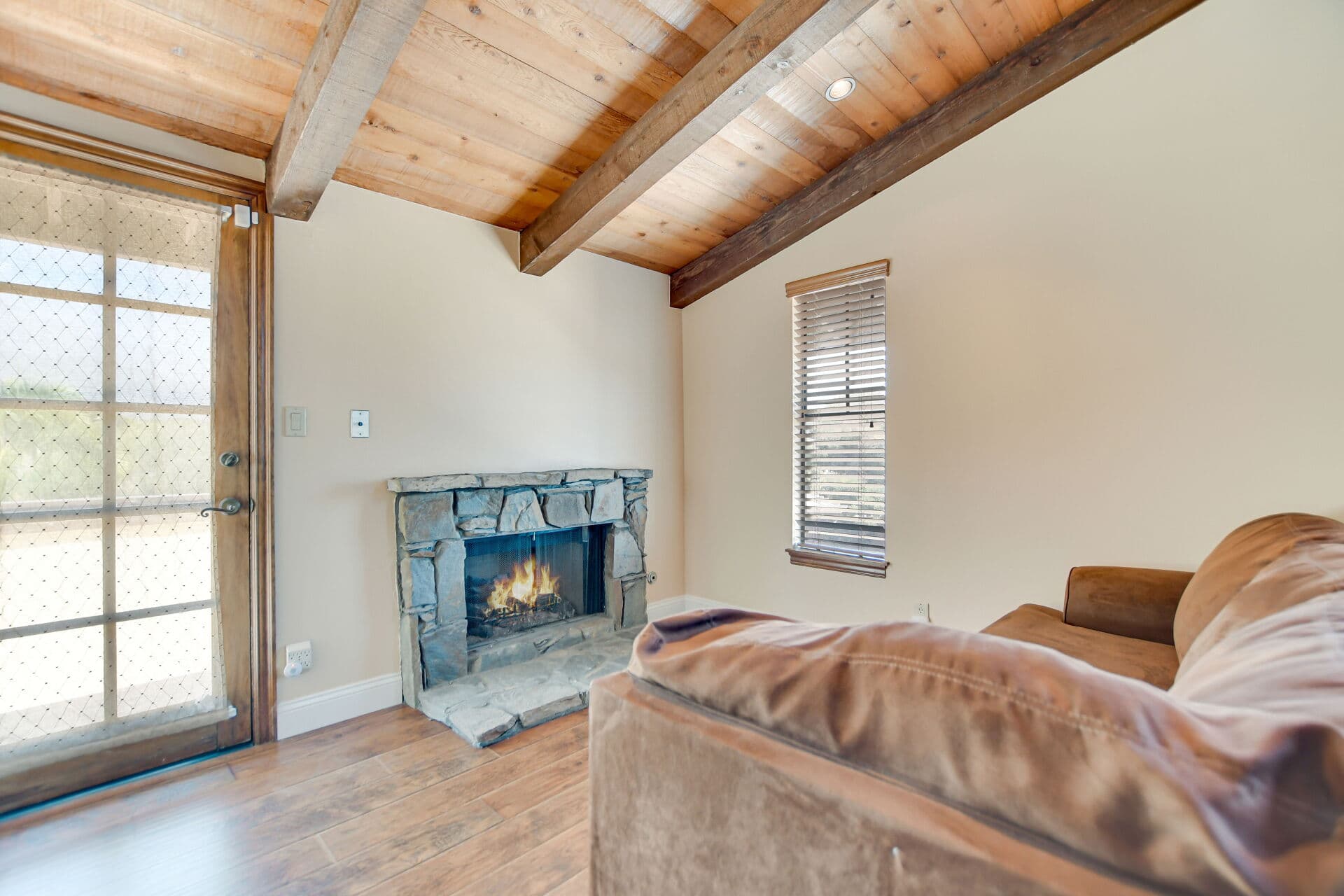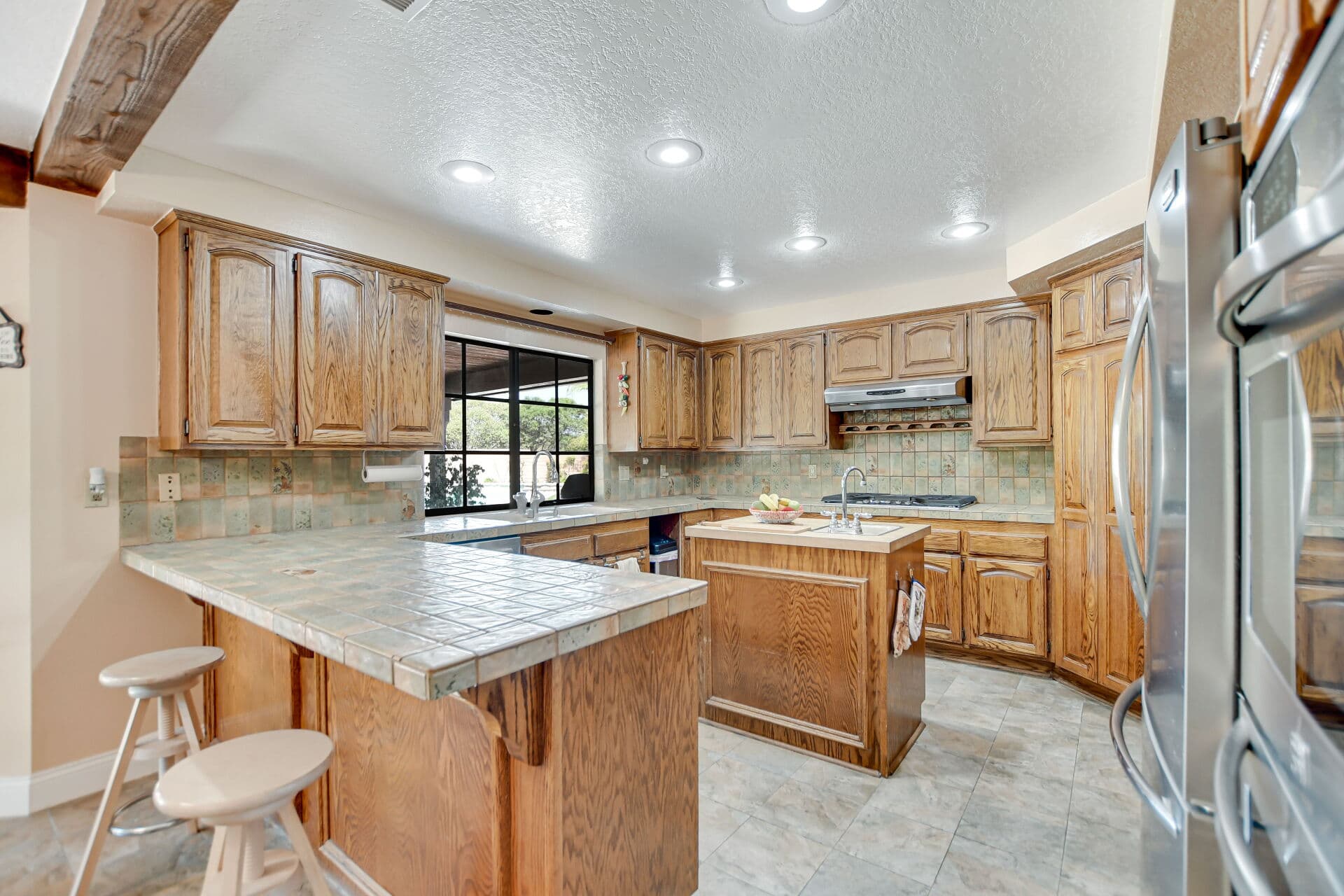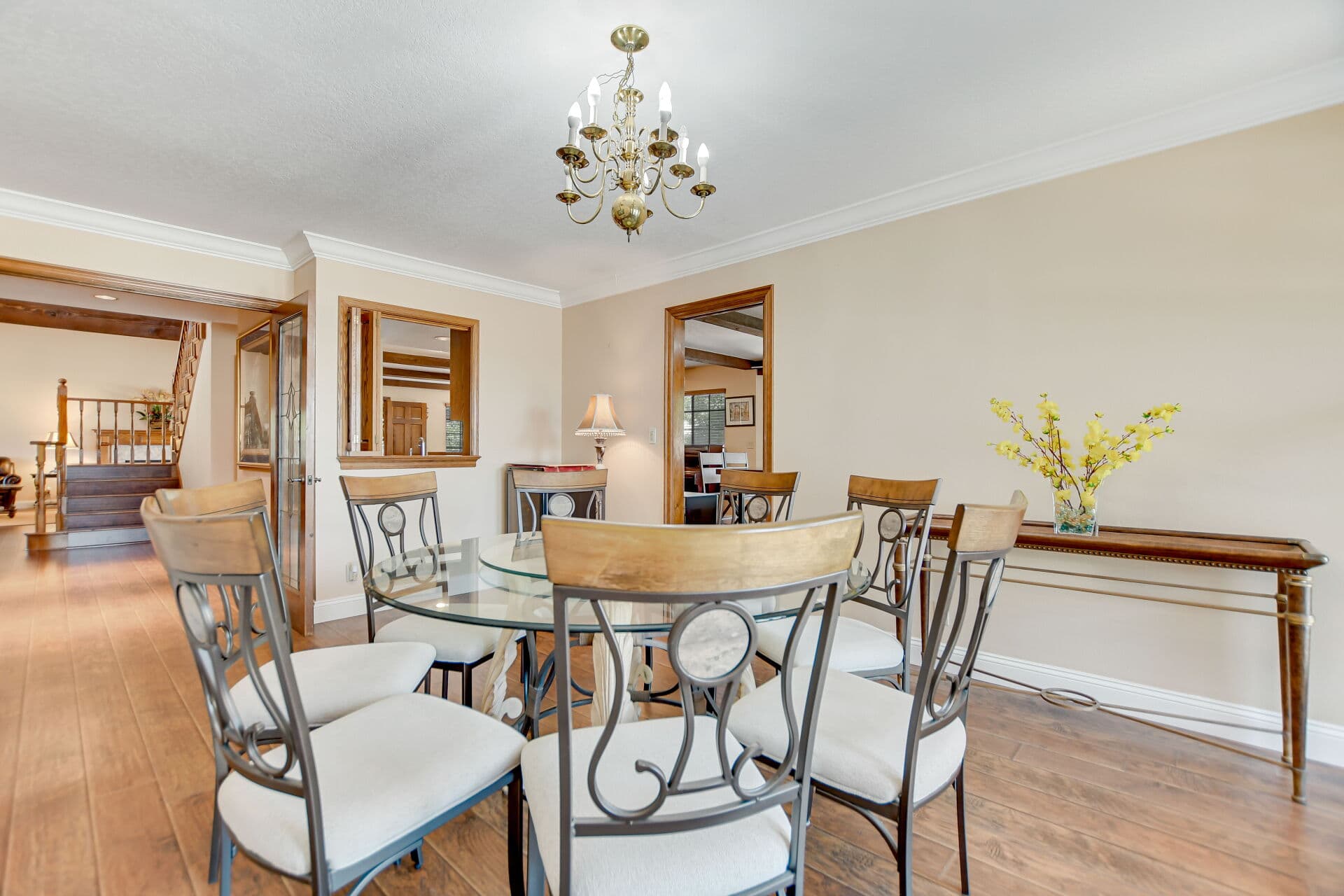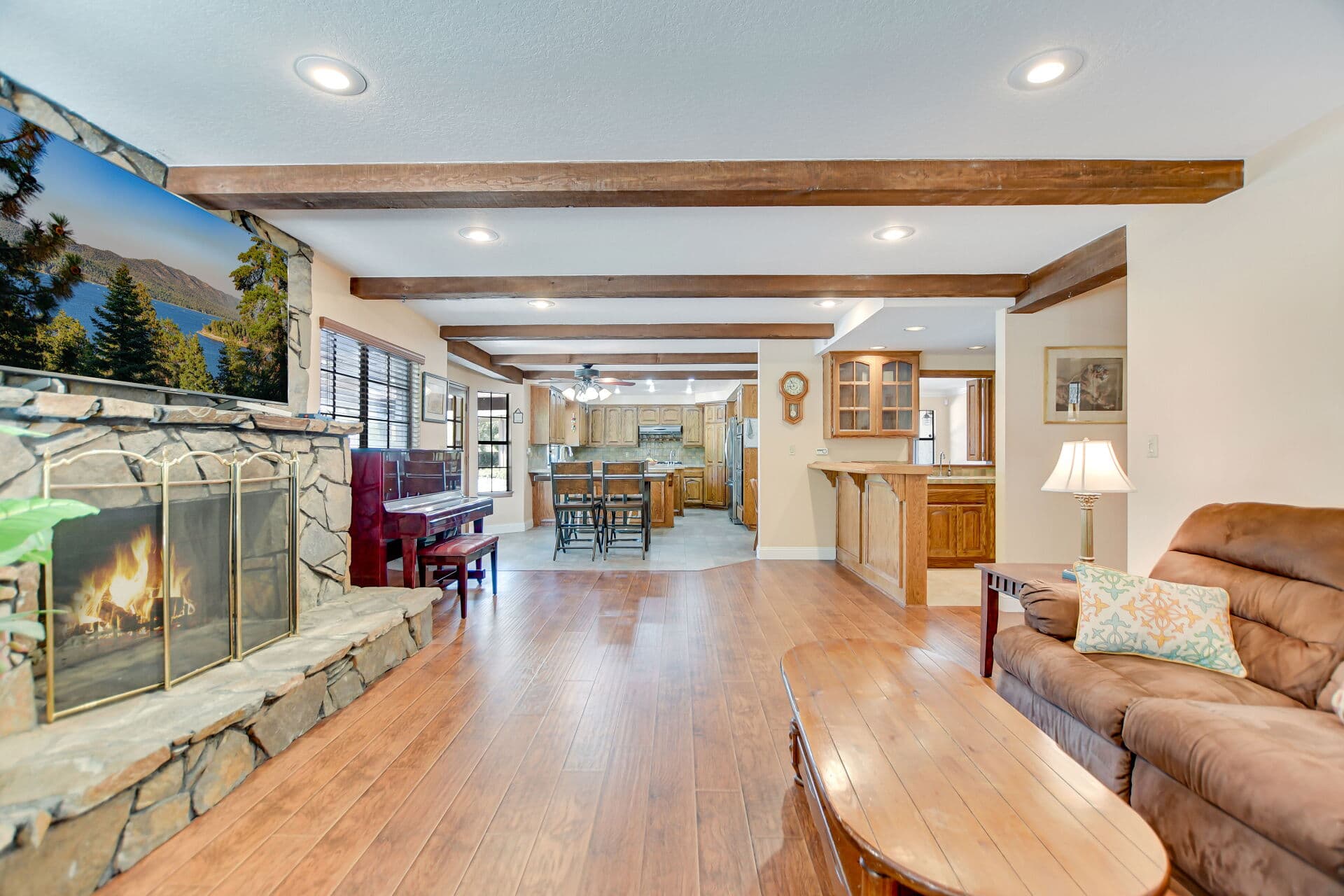
The imagery on a distinctive property does a different job than the imagery on a standard listing. On a typical house, photographs answer a narrow question: does the interior match the price. On an estate the photographs have to convey siting, scale, the relationship between structures, and a sense of what the place is actually like to occupy. Those are not things a wide-angle lens in a living room can do.
This is a craft piece about the formats and the sequence. What the images are then used FOR, across private networks, print, and syndication, is a separate discipline covered in marketing Claremont estates.
Stills are still the load-bearing format
Everything else is supplementary. A buyer who does not stop on the first image never reaches the film.
What changes at this level is mostly discipline rather than equipment. Fewer images, chosen harder. A shot list built around the property's actual argument rather than a room-by-room inventory. Twilight exteriors where the architecture and the lighting design justify them, and not otherwise, because a twilight shot on a house that does not earn it reads as compensation.
Interiors on a large house benefit from being shot at a longer focal length than agents are used to. Extreme wide angles make rooms look bigger and simultaneously make them look distorted and cheap, and a buyer at this level notices the second thing before the first.
Note also that MLS platforms cap the number of images that can be attached to a listing. That cap is a reason to curate rather than a limit to complain about.
What drone actually adds
Aerial imagery is where estates genuinely differ from ordinary listings, because the thing that makes many of these properties valuable is invisible from the street: the parcel shape, how the structures sit on it, the screening, the slope, the relationship to open space behind.
Used well, one or two aerial frames do work that twenty ground-level photographs cannot. Used badly, drone footage becomes a slow orbit that shows the neighbors' roofs.
Two practical constraints. First, commercial drone operation in the United States requires an appropriately certificated remote pilot, so this is a question to ask a photographer directly rather than assume. Second, aerials reveal surroundings, and a seller who has chosen a discreet campaign may not want an image that maps the property's approach and access. That tension is real, and it is the same one described in private showings and discretion.
Film is a different medium, not longer photography
The common failure is a video that is simply the still shoot in motion: the same rooms, the same order, set to music. It adds nothing.
Film earns its place when it shows something stills cannot. Sequence and circulation, how one space opens into the next. Movement through the grounds. Light changing across a day. On a property with a strong architectural idea, film is how that idea becomes legible.
Length discipline matters. A tight film that respects a viewer's attention outperforms a long one, and a film with narration should have something to narrate. If the property has a documented design history, that is a story; if it does not, the voiceover will sound like it is filling time. Where there is genuine provenance, it is usually better handled the way selling an architect-designed home describes.
Floor plans are underrated
On a large or unconventional house, a floor plan is often the single most useful asset produced. Photographs cannot communicate adjacency. A buyer looking at fifteen interior images of a substantial home frequently cannot tell how the rooms connect, where the detached structures sit, or which wing faces which direction.
Dimensioned plans with a site diagram answer that in one glance, and they reduce the number of showings spent orienting rather than evaluating. On a property with multiple structures the site plan is arguably more valuable than the floor plan.
Anything published as a measurement should be sourced and labeled, since square footage stated loosely can become a dispute later.
Sequencing, which is where most shoots go wrong
The order matters more than the vendor.
Landscape and exterior work has the longest lead time, so it goes first. Interior preparation and any items the seller intends to remove come next, because photographing a room that will not exist at closing creates exactly the disputes described in the piece on what conveys. Then stills. Then film, ideally on a separate day so the crew is not working around a photographer.
Weather and season are real variables here. Foothill light and mountain visibility differ substantially through the year, and a shoot scheduled during a stretch of haze produces images that undersell the setting.
Build in time for a reshoot. On an estate campaign, the cost of shooting one wing again is trivial against the cost of leading with an image that does not work.
Rights, and who owns the files
Photography is licensed, not bought, unless the agreement says otherwise. That matters more here than on an ordinary listing because estate imagery gets reused: in print, in a property brochure, on a dedicated site, sometimes for years. Confirm at the outset what the license permits, whether the seller may use the images after the sale, and how long the files remain available.
The short version
Fewer stills, better chosen. Aerials for what only aerials can show. Film only where the property has movement or a sequence worth following. Plans on anything large or unusual. And do the preparation before anyone arrives with a camera.
For how this fits the wider top-tier process, start with the Claremont luxury homes guide, and read luxury home staging first, because everything above assumes the house is ready. Anthony Grynchal has been licensed in California since November 2009.
Frequently asked questions
Does every estate listing need a film?
No. Film earns its place when a property has sequence, circulation, or grounds that stills cannot convey. A video that simply repeats the photographs in motion adds nothing, and a short, disciplined film outperforms a long one in nearly every case.
Are there rules around drone photography for a listing?
Yes. Commercial drone operation in the United States requires an appropriately certificated remote pilot, so it is worth asking a photographer directly rather than assuming. Separately, aerials reveal approach and surroundings, which a seller running a discreet campaign may not want published.
Why do floor plans matter more on a large property?
Because photographs cannot show adjacency. On a substantial or multi-structure property, buyers often cannot tell from images how rooms connect or where the outbuildings sit. A dimensioned plan with a site diagram answers that instantly and reduces time spent orienting during showings.
Who owns the photographs of my home after it sells?
Photography is normally licensed rather than sold outright. Because estate imagery is reused in print, brochures, and dedicated sites, agree at the outset what the license permits, whether the seller may use the images afterward, and how long the files stay available.

Written by
Anthony Grynchal
Anthony Grynchal is a California real estate professional with eXp Realty, licensed since November 2009 (California DRE# 01873626), and the Designated Local Expert™ for Claremont — where he has lived for more than 33 years.
More about AnthonyPublished · Updated